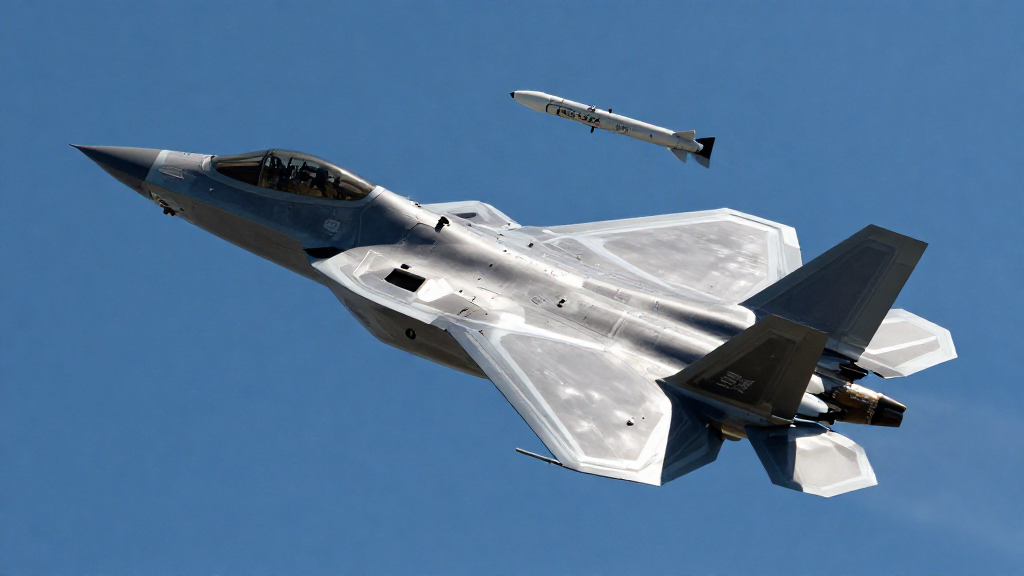

The BrahMos supersonic cruise missile continues to strengthen India’s defence export ambitions, with BrahMos Aerospace highlighting growing international interest following the weapon’s reported combat deployment during Operation Sindoor in May 2025. Jointly developed by India and Russia, the missile has become a prominent component of India’s precision-strike capabilities and its expanding defence manufacturing portfolio.
During Operation Sindoor, the Indian Armed Forces reportedly employed BrahMos missiles against military targets in Pakistan, including airbases. The operation brought renewed attention to the missile’s operational capabilities and its potential role in high-intensity combat environments, strengthening its profile in international defence markets.
BrahMos Strengthens India’s Defence Export Strategy
India’s defence exports have recorded substantial growth, reaching ₹38,400 crore, according to the figures cited in the report. BrahMos Aerospace is positioning its supersonic cruise missile as a key contributor to this expansion, reflecting the increasing international demand for Indian-developed military technologies.
BrahMos Aerospace Managing Director and Chief Executive Officer Dr Jaiteerth Joshi stated that the programme’s export journey began before its reported combat deployment in 2025. In 2022, the company secured its first overseas order from the Philippines, marking a significant milestone in the international expansion of the missile system.
According to Joshi, the missile’s operational record and growing international visibility have contributed to additional export opportunities. He indicated that the company had signed agreements with two more Southeast Asian countries during 2026, following the initial Philippine contract.
These developments reflect BrahMos Aerospace’s efforts to expand its international customer base while strengthening India’s position in the global defence equipment market.
Production Expansion and Supply Chain Diversification
BrahMos Aerospace is working to fulfil its domestic and international commitments while increasing manufacturing capacity across its production network. Facilities in Hyderabad, Nagpur, Pilani and Lucknow are supporting the programme’s growing requirements.
The company is also advancing research and development through specialised technology units, referred to as “Tech-bricks”, focused on niche technologies required for future missile variants and testing programmes.
Supply chain resilience is another priority. Joshi explained that BrahMos Aerospace intends to increase the number of suppliers supporting individual systems and subsystems, expanding from approximately one or two industry partners to four or five sources wherever feasible.
The strategy is intended to strengthen production continuity, provide additional capacity during periods of increased demand and encourage competition in quality and pricing. A broader supplier base could also create opportunities for more Indian manufacturers to participate in the missile programme.
Southeast Asian Markets Drive Export Opportunities
BrahMos Aerospace is seeking to build on its initial export success in the Philippines by expanding its presence in Southeast Asia. The company’s reported agreements and deliveries associated with the Philippines, Indonesia and Vietnam are expected to take exports linked to the missile system beyond US$600 million.
The programme’s international expansion highlights the importance of export-ready defence technologies in India’s broader manufacturing strategy. It also demonstrates how collaborative development programmes can evolve into opportunities for international sales, industrial cooperation and long-term support services.
However, the scale and timing of future exports will depend on contractual commitments, production capacity, customer requirements and the necessary government approvals.
BrahMos-NG to Expand Future Missile Capabilities
BrahMos Aerospace is continuing development of the BrahMos-NG (Next Generation), a smaller, lighter and more compact variant intended to expand the missile family’s operational flexibility.
The programme is being pursued through BrahMos Aerospace, the joint venture established by India’s Defence Research and Development Organisation (DRDO) and Russia’s NPO Mashinostroyeniya.
The next-generation missile is intended to offer greater integration flexibility for aircraft and other launch platforms. For the Indian Air Force, a reduced-size missile could potentially enable compatible aircraft to carry a greater number of weapons, subject to platform integration and certification.
The development programme forms part of BrahMos Aerospace’s wider effort to improve the missile family’s adaptability to evolving operational requirements while retaining its high-speed cruise-missile characteristics.
Long-Term Roadmap Includes a 1,500-Kilometre Variant
Another major objective on the company’s long-term development roadmap is a BrahMos variant with a proposed range of up to 1,500 kilometres. Joshi stated that the range-extension programme is being pursued in phases and that extended-range capabilities have been validated through tests involving land-, sea- and air-based platforms.
He clarified that the 1,500-kilometre objective remains at the conceptual stage, with further upgrades under discussion with the joint-venture partner.
The proposed capability would represent a substantial extension beyond the original 290-kilometre range associated with early BrahMos configurations. Any future operational capability will depend on development progress, testing, configuration requirements and applicable regulatory arrangements.
Indian Navy Procurement Supports Domestic Industry
India’s Ministry of Defence signed a contract with BrahMos Aerospace on 6 October for the procurement of BrahMos Fire Control Systems and launchers for Indian Navy warships, according to the report.
The project specifies a minimum indigenous content of 68%, supporting domestic participation in the production and supply of naval missile-related equipment. The procurement is also expected to create opportunities for Indian industries, including micro, small and medium enterprises.
The agreement reflects the continuing role of domestic procurement in sustaining India’s missile manufacturing ecosystem and strengthening the industrial base supporting naval combat systems.
BrahMos Remains Central to India’s Defence Modernisation
BrahMos has evolved from a joint missile development programme into an important component of India’s conventional strike capabilities and defence export strategy. Its international expansion, production requirements and planned technological upgrades illustrate the growing relationship between military modernisation and domestic defence manufacturing.
With continued investment in manufacturing capacity, supplier diversification, next-generation variants and naval integration, BrahMos Aerospace is working to meet the requirements of the Indian Armed Forces while pursuing additional overseas opportunities.
The progress of BrahMos-NG and the conceptual long-range variant will be important indicators of the programme’s future direction. Together with ongoing procurement and export activity, these initiatives underscore India’s broader objective of developing advanced defence technologies, expanding industrial participation and strengthening its presence in international defence markets.