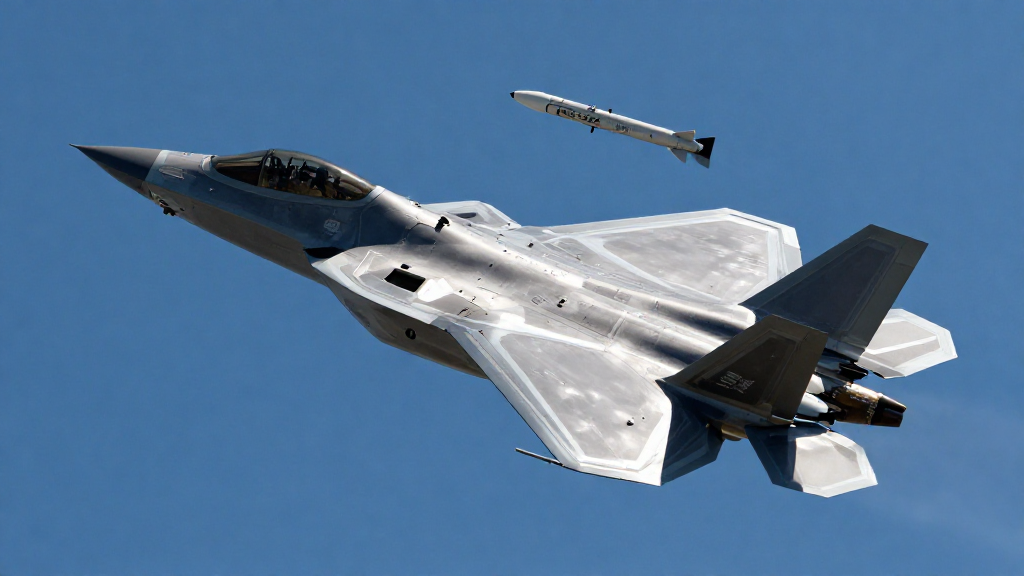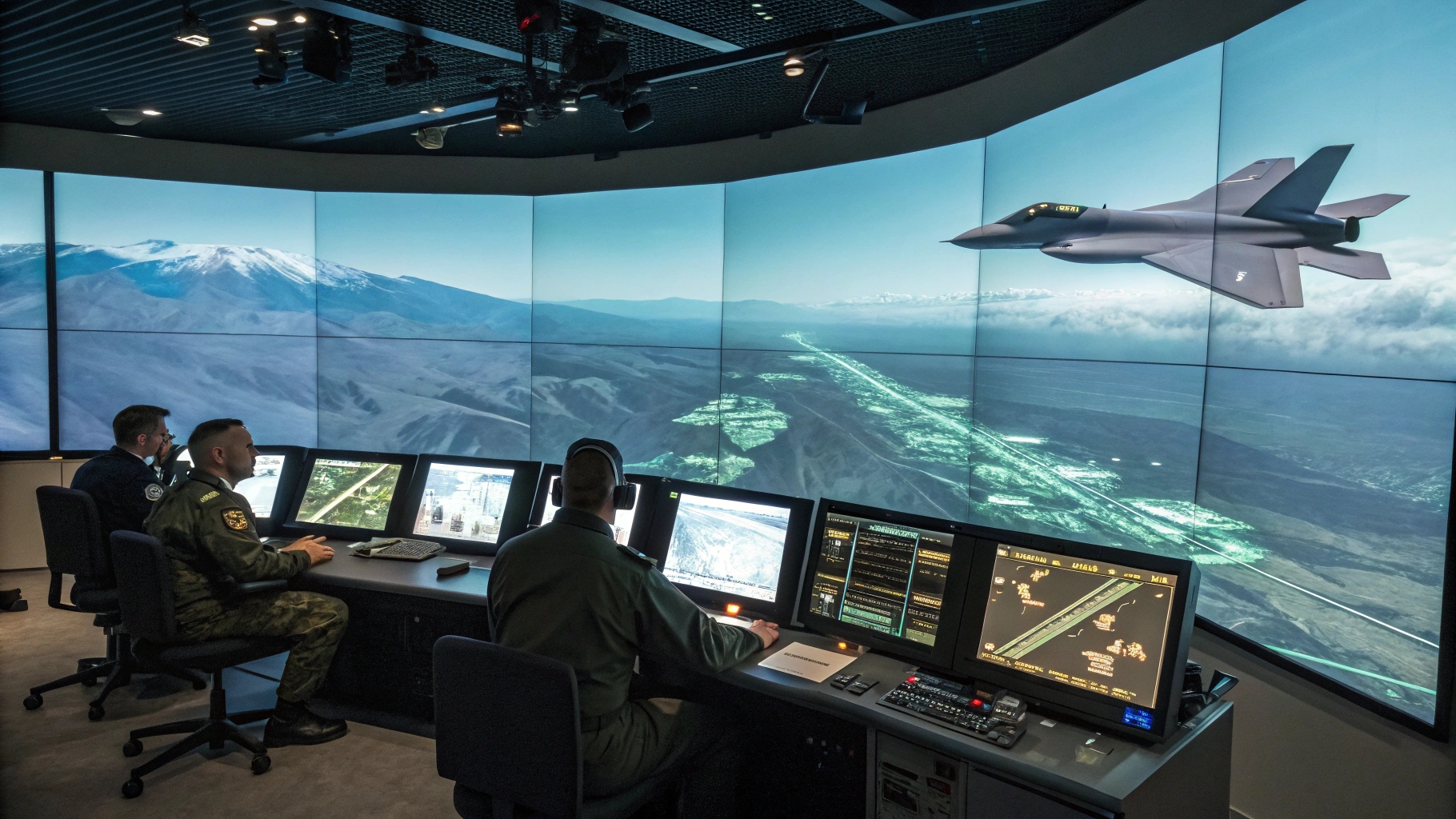

India is evaluating the possibility of joining one of Europe’s sixth-generation fighter aircraft programmes as part of a broader strategy to secure access to next-generation air combat technologies. The initiative, outlined in recent discussions with the Parliamentary Standing Committee on Defence, reflects the Indian Air Force’s determination to maintain technological parity amid the rapid modernization of military aviation in the region, particularly by China and Pakistan. The objective is to complement future capabilities beyond existing fifth-generation aircraft such as the indigenous AMCA, the American F-35, and Russia’s Su-57.
The focus is primarily on two major European programmes: the Global Combat Air Programme (GCAP), jointly developed by the United Kingdom, Italy, and Japan, and the Future Combat Air System (FCAS), led by France, Germany, and Spain. GCAP is generally considered the more mature and stable programme, with well-defined partnerships and comparatively fewer political challenges. While additional countries have expressed interest in the project, existing workshare agreements among the founding members leave limited scope for India to play a substantial development role, making future procurement the more likely form of participation.
In contrast, FCAS continues to face industrial and political challenges stemming from disagreements between France and Germany over responsibilities shared by Dassault Aviation and Airbus Defence and Space. These disputes have slowed progress despite ongoing negotiations, and differing views on the programme’s future have introduced additional uncertainty. Although India’s longstanding defence partnership with France could support closer engagement with FCAS, questions remain over development timelines, programme stability, and the extent to which the aircraft would satisfy India’s operational requirements.
Should India participate in either initiative, its investment and potential production orders could strengthen the selected programme by lowering development costs and increasing manufacturing scale. However, both GCAP and FCAS are expected to enter service only during the mid-2030s, and the complexity of developing advanced stealth fighters means delays cannot be ruled out. This presents a challenge for the Indian Air Force, which requires additional combat aircraft much sooner to address existing capability gaps.
India’s interest in European sixth-generation programmes does not diminish the importance of the Advanced Medium Combat Aircraft (AMCA), which remains the country’s flagship indigenous fighter project. As a domestically designed fifth-generation stealth aircraft, the AMCA offers India full control over design, production, upgrades, and future technological evolution. Any major commitment to an overseas programme will therefore need to be balanced against the need to accelerate indigenous development.
Alongside manned fighter development, India is investing heavily in emerging unmanned combat capabilities, including Collaborative Combat Aircraft and advanced unmanned combat aerial vehicles. These systems are expected to support future network-centric operations through loyal wingman concepts, autonomous teaming, and coordinated swarm tactics, providing many of the capabilities associated with sixth-generation air warfare.
For now, India’s interest in GCAP and FCAS remains at the exploratory stage. Although the Ministry of Defence and the Indian Air Force have expressed support for examining potential collaboration, participation will depend on future government approval, meaning no formal commitment has yet been made.