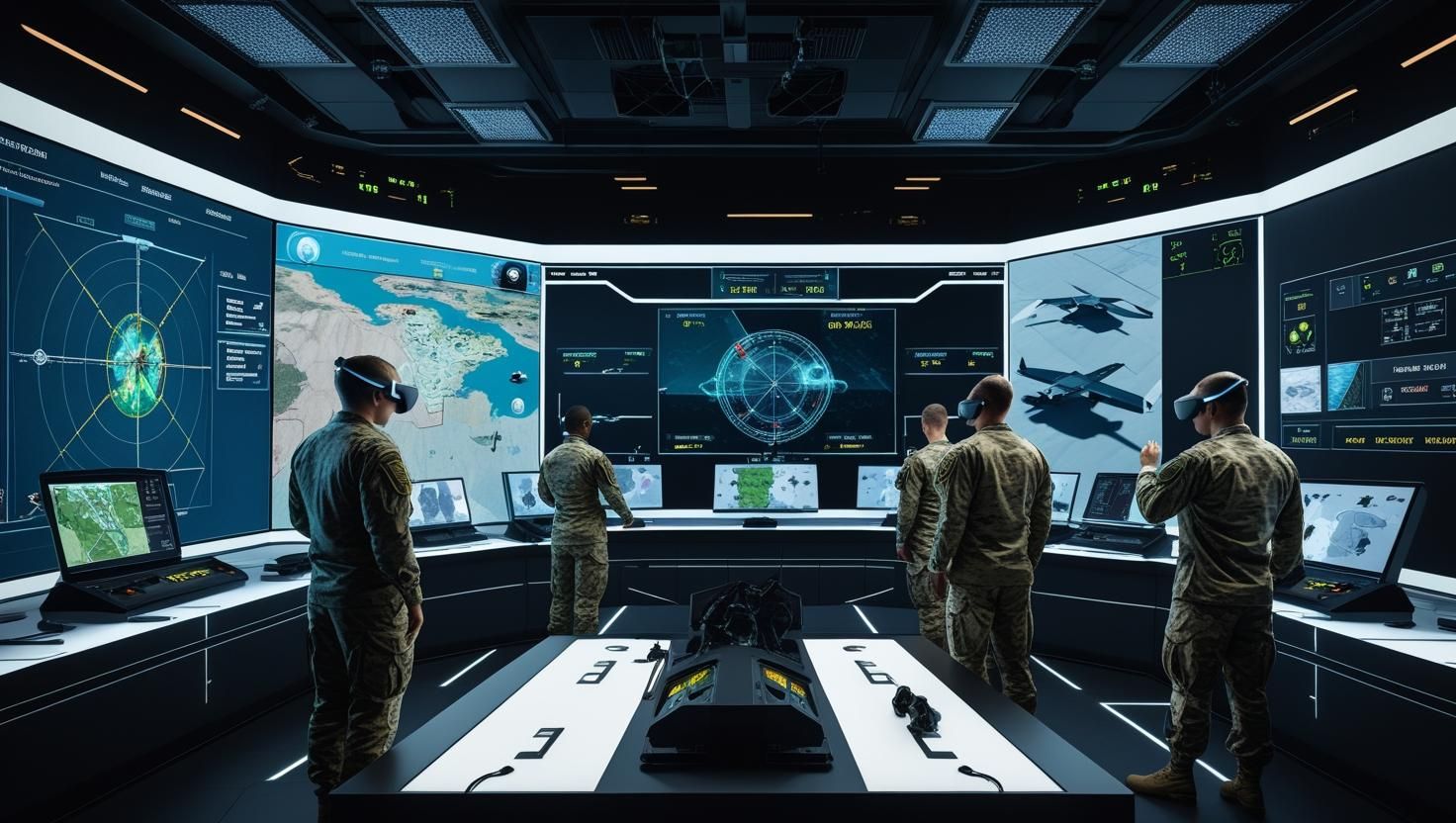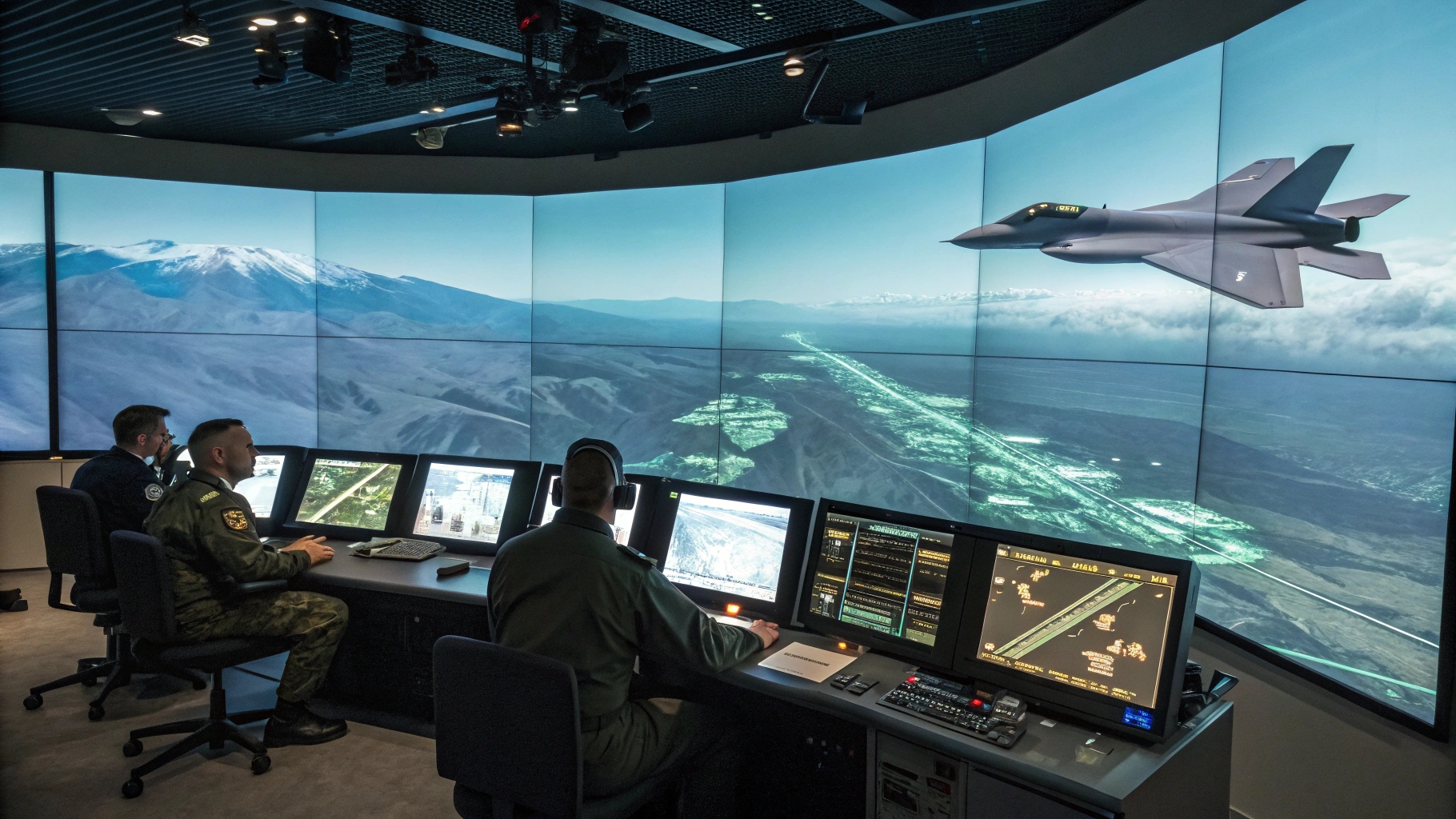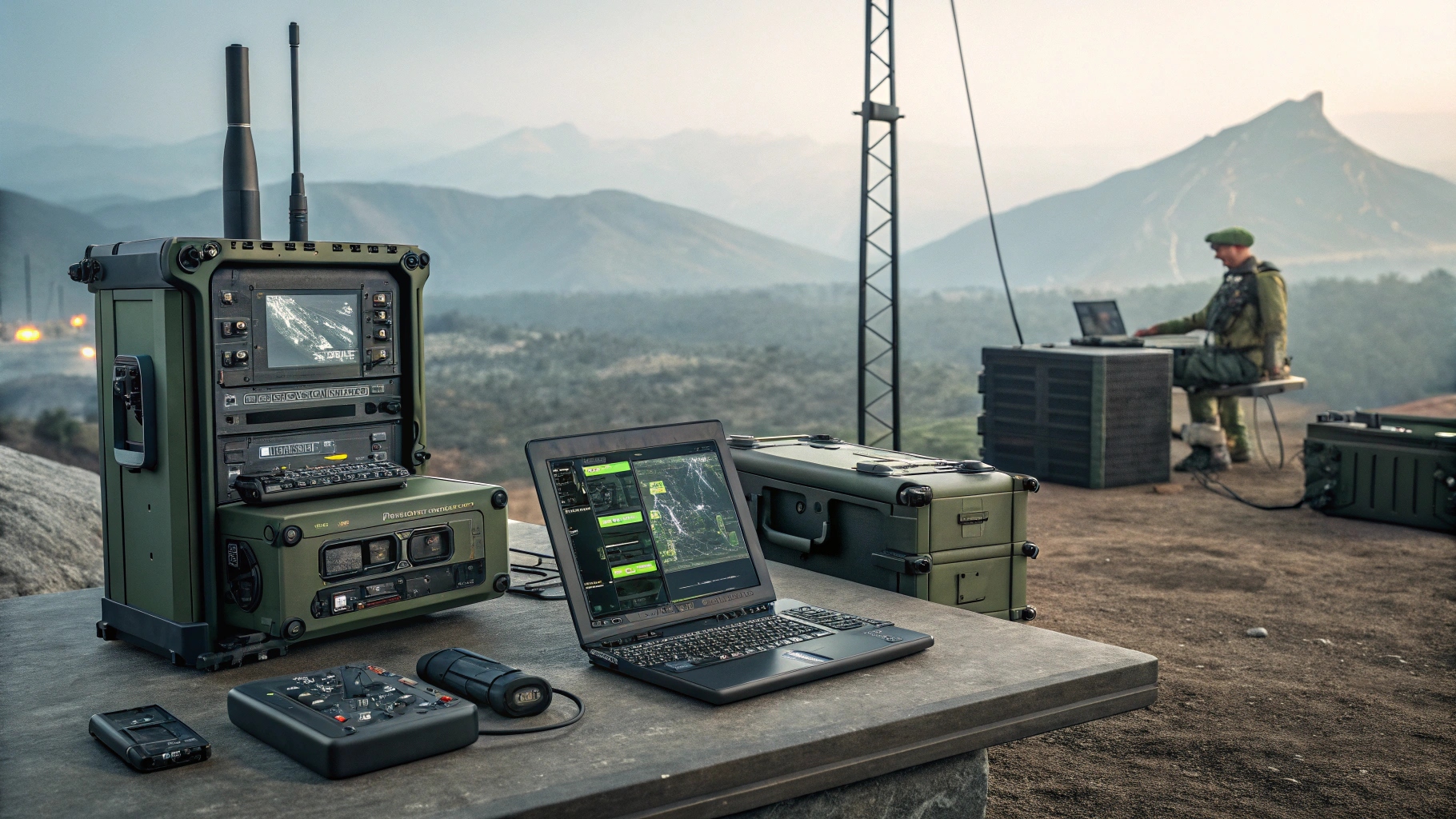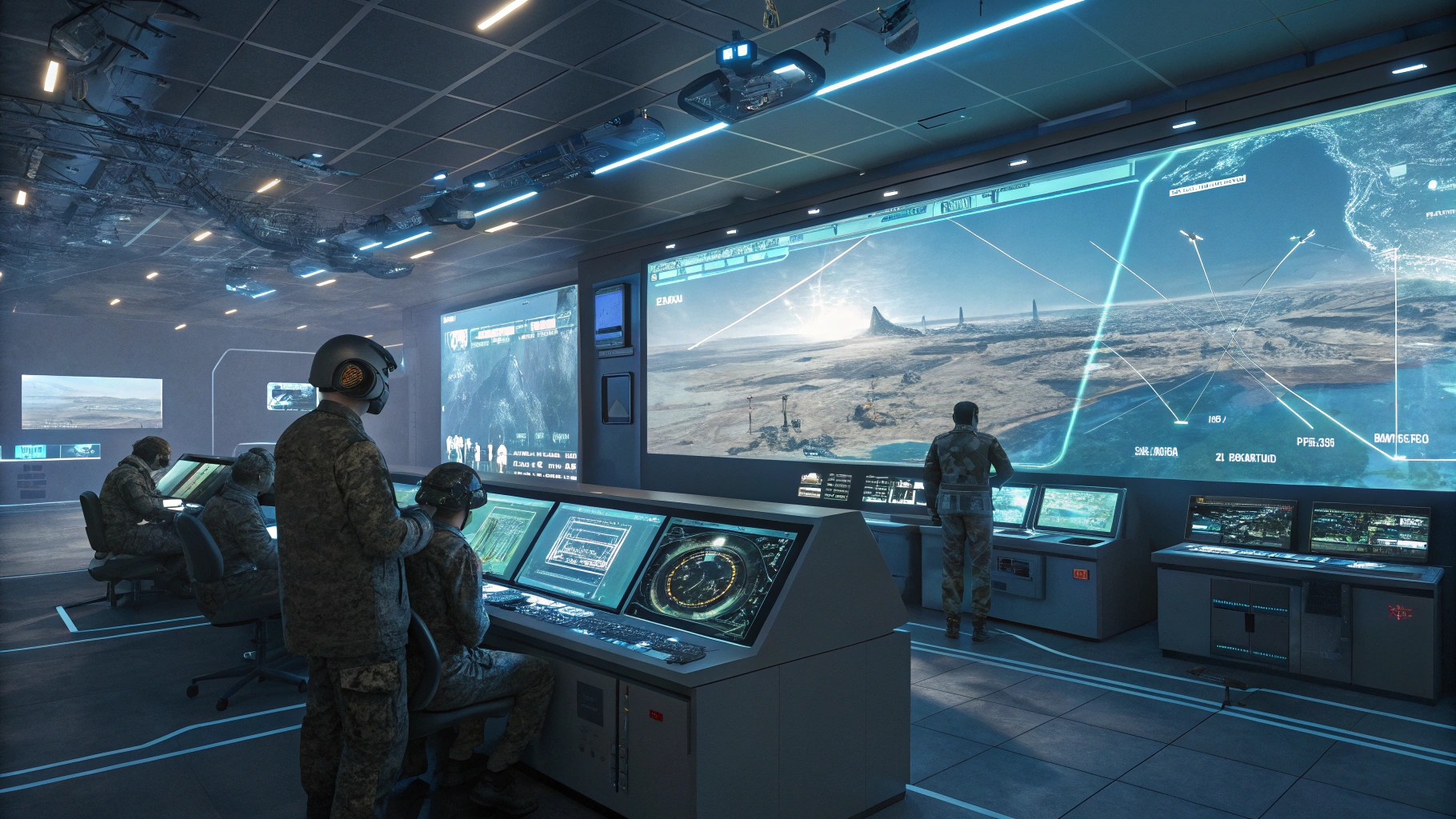

Akashteer has emerged as a key element of India’s modern air defence architecture. Developed by Bharat Electronics Limited (BEL) with support from DRDO and ISRO, the AI-enabled automated Air Defence Control and Reporting System provides the Indian Army with an integrated digital network for monitoring low-level airspace and coordinating ground-based air defence weapons.
Core Capabilities of Akashteer
Multi-System Connectivity: Akashteer is designed to bring together data generated by different radars, sensors, and weapon systems, regardless of their origin. This allows Russian- and Western-origin platforms to contribute to a common operational air picture.
Rapid Threat Response: Automation enables the system to detect and track aerial targets while supporting weapon assignment with minimal human intervention. Reported reaction times of approximately 2–3 milliseconds are intended to accelerate decision-making and reduce response delays during fast-moving air threats.
Operationally Demonstrated: The system gained operational significance through its deployment in engagements such as Operation Sindoor. During the operation, Akashteer supported short-range air defence units deployed along the western border in detecting, tracking, and responding to aerial threats.
Enhanced Airspace Safety: A continuously updated and shared airspace picture allows connected command centres and weapon units to maintain better awareness of friendly and hostile platforms. This capability helps reduce the possibility of friendly-fire incidents while improving coordination and overall interception efficiency.