
US defense technology company Shield AI and Australian defense technology firm Innovaero Technologies have partnered to strengthen the Australian Defence Force’s (ADF) strike capabilities through the integration of advanced autonomy into loitering munitions.
Under a memorandum of understanding, Shield AI will integrate its Hivemind autonomy software into Innovaero’s Australian-designed One-Way Loitering (OWL) family of precision munitions.
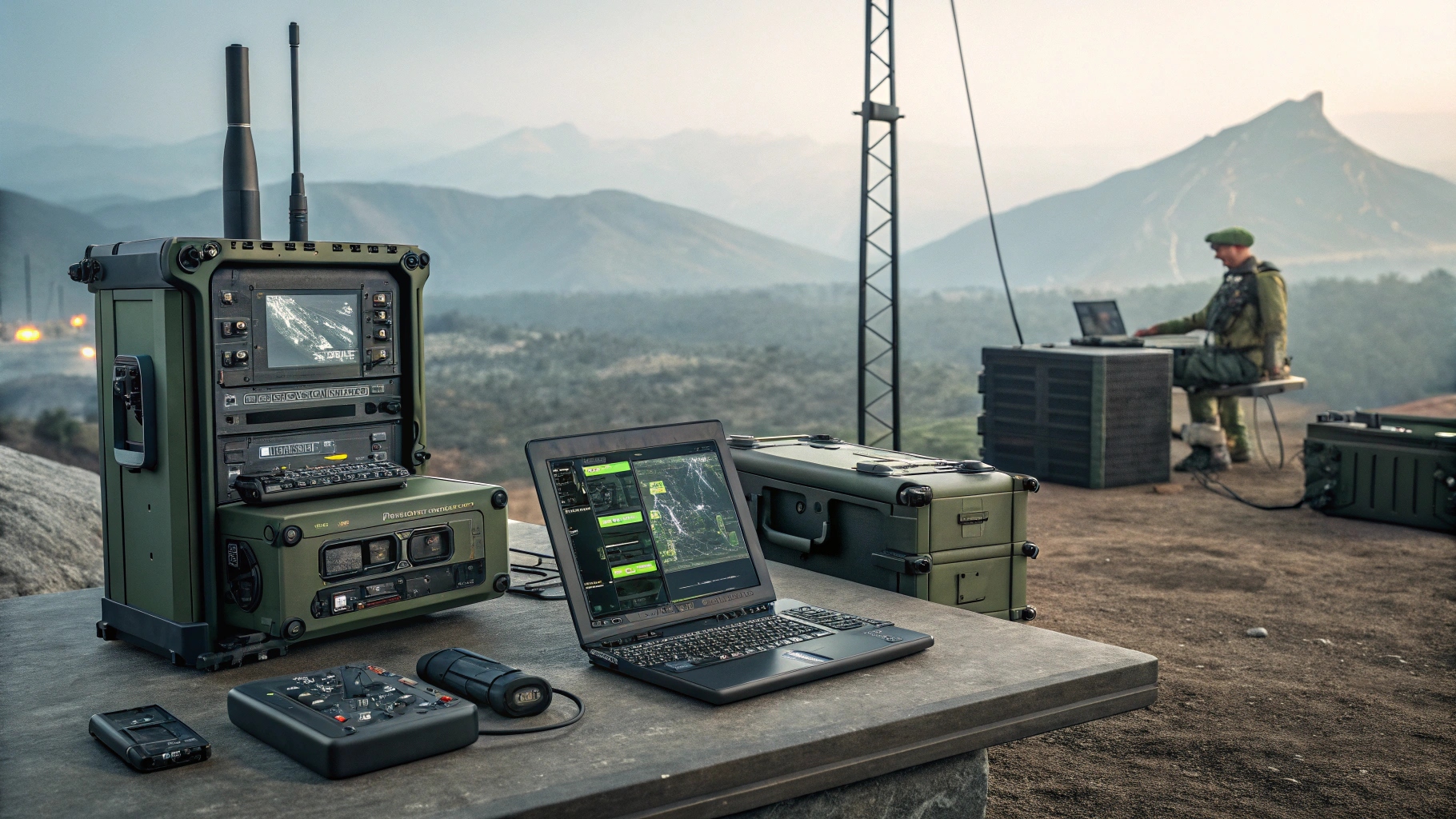
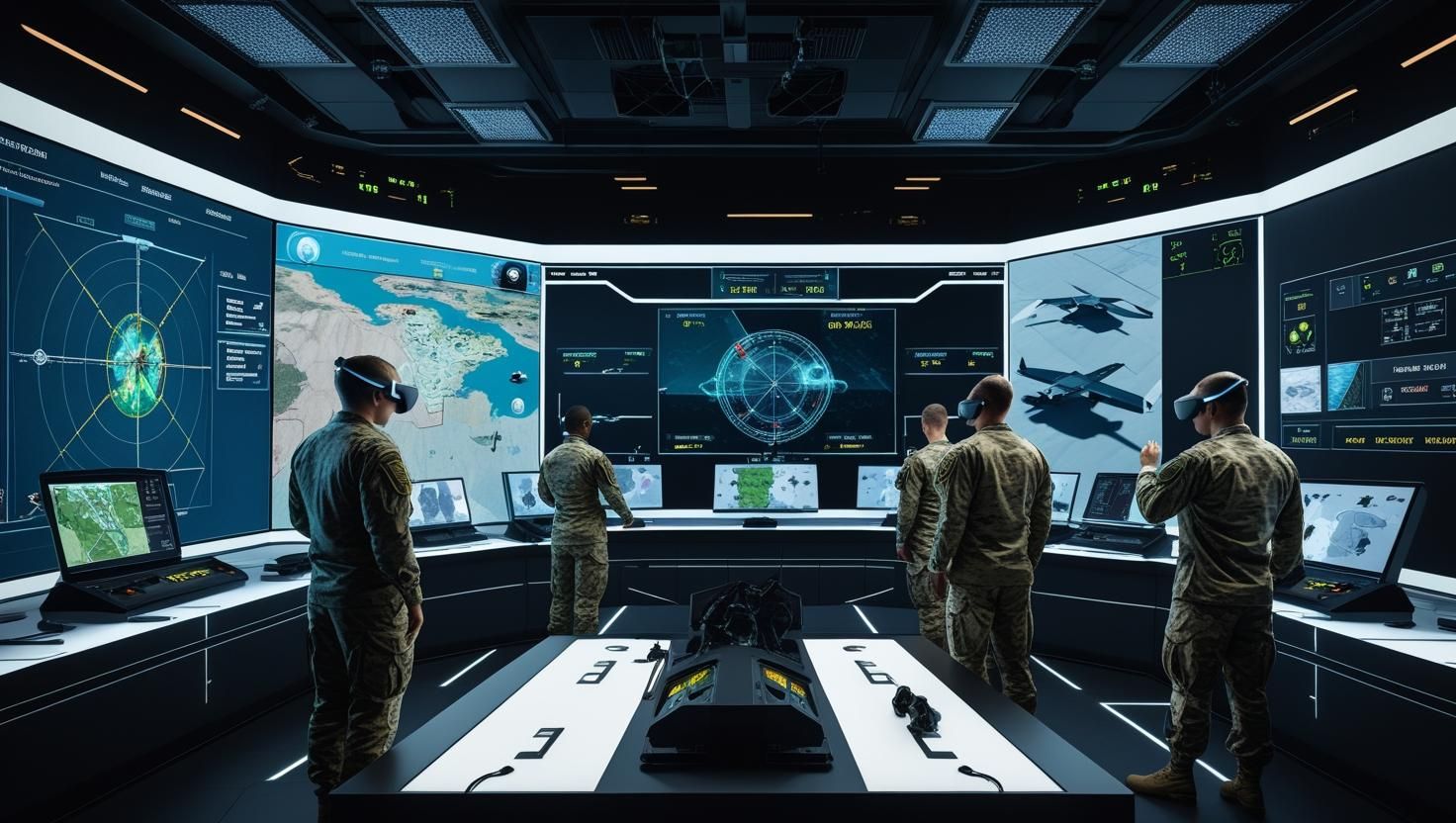
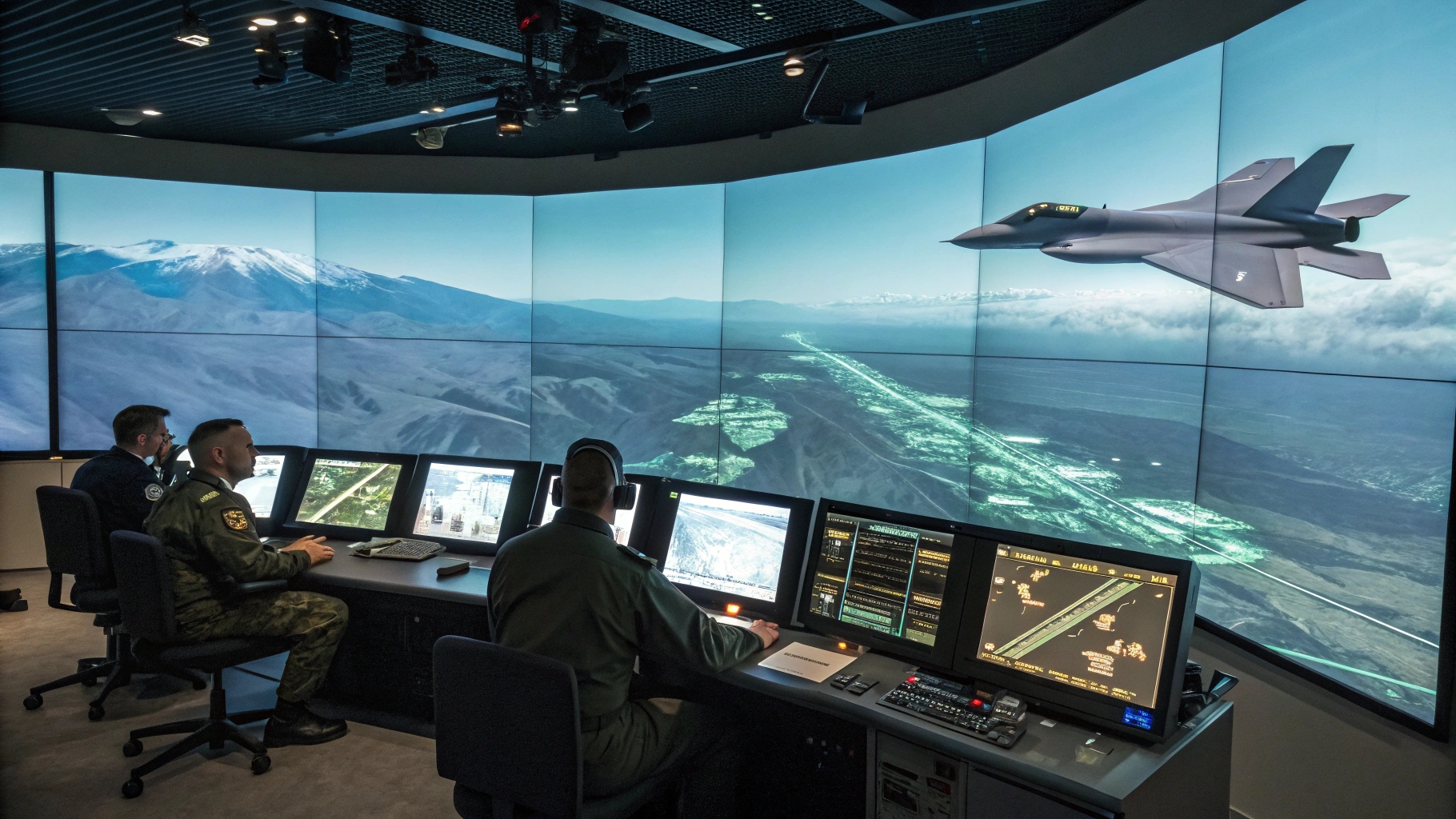
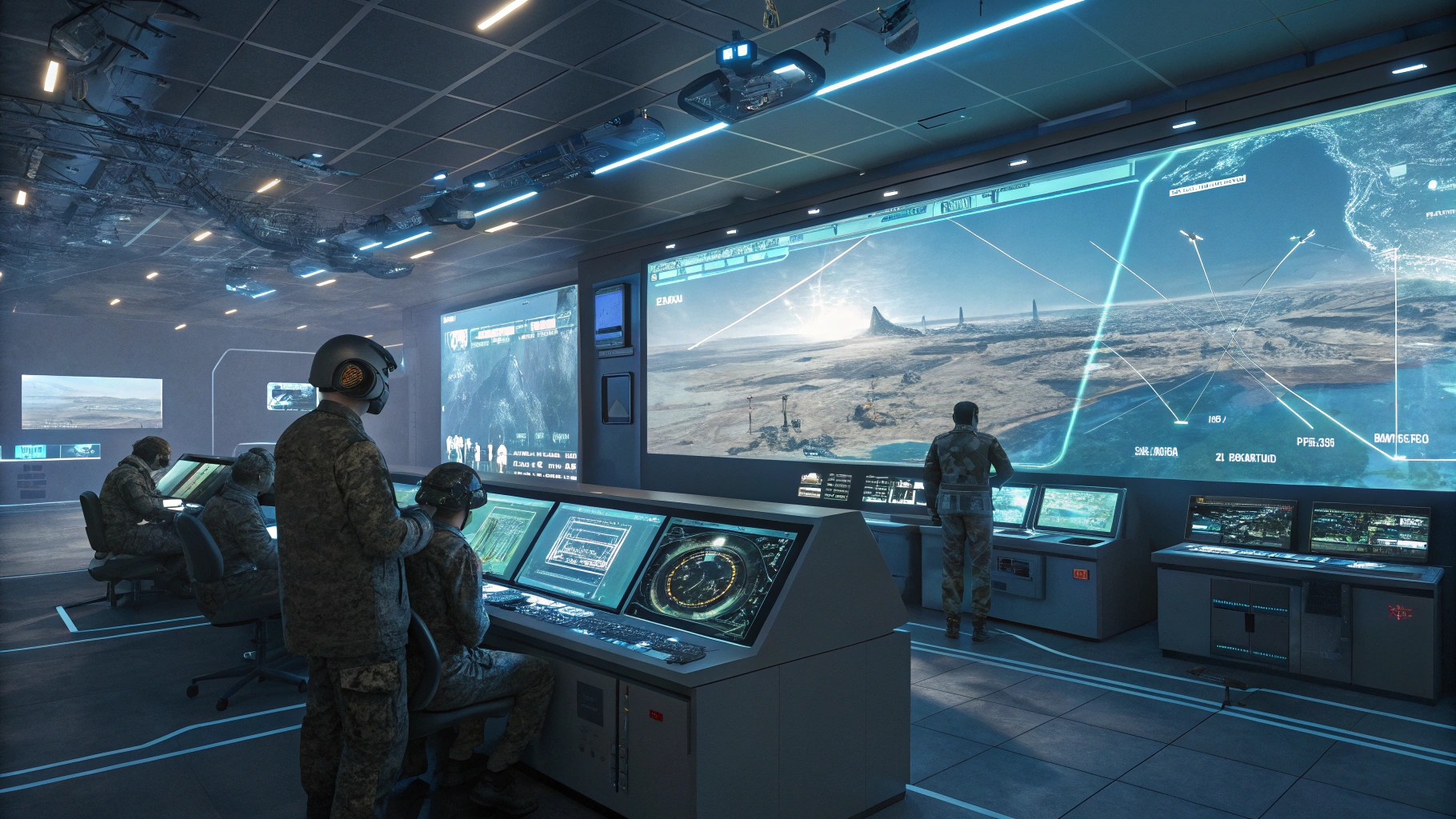
Hivemind has already been integrated into Innovaero’s OWL-B ahead of planned flight testing. The software is being used to simulate coordinated multi-agent strike missions in dynamic operational environments, with operators controlling mission activities through the Android Team Awareness Kit (ATAK) tactical interface.
Hivemind Autonomy Technology
Shield AI describes Hivemind as a platform-agnostic digital “brain” designed to enable autonomous systems to dynamically modify mission plans, navigate around obstacles, respond to changing conditions and perform complex tasks with limited human intervention.
The AI-powered autonomy system is designed to maintain platform-level capabilities when communications are denied, degraded, intermittent or otherwise constrained, supporting operations in contested and communication-degraded environments.
Hivemind has already been tested and integrated across multiple aerial platforms. These include Airbus’ H145 helicopter, Northrop Grumman’s Talon IQ modular testbed, the US Air Force’s Collaborative Combat Aircraft programme and the US Navy’s BQM-177A target drone.
The autonomy technology has also been integrated into Destinus’ Hornet loitering munition, with Australian teams supporting associated flight testing activities in Spain.
Beyond aerial platforms, Shield AI’s autonomy technology has demonstrated applications across maritime and orbital environments, highlighting its potential for multi-domain autonomous operations.
Expanding Autonomous Strike Capabilities
The integration of Hivemind with Innovaero’s OWL family represents a further step toward developing autonomous, network-enabled precision strike capabilities for Australia. The planned flight testing will provide an opportunity to evaluate coordinated multi-agent operations and autonomous mission execution under realistic and dynamic conditions.
The collaboration also reflects the growing role of artificial intelligence and autonomous systems in modern military operations, particularly for missions conducted in contested environments where conventional communications and human-directed control may be disrupted.