
India has signed contracts worth ₹538.67 billion (approximately $5.7 billion) for the construction of eight next-generation corvettes to strengthen its maritime defence capabilities and protect strategic sea routes. The vessels will be designed to undertake anti-ship warfare, anti-submarine warfare, coastal defence, and maritime security operations.
The Ministry of Defence awarded the contracts to two state-owned shipbuilders during a signing ceremony in New Delhi. Garden Reach Shipbuilders & Engineers (GRSE) will construct five corvettes, while Goa Shipyard Limited (GSL) will build the remaining three vessels.
According to the Defence Ministry, the programme represents the first initiative to combine a warship design developed specifically by the Indian Navy with construction undertaken by state-owned defence shipyards.
Next-Generation Corvettes: Combat and Surveillance Capabilities
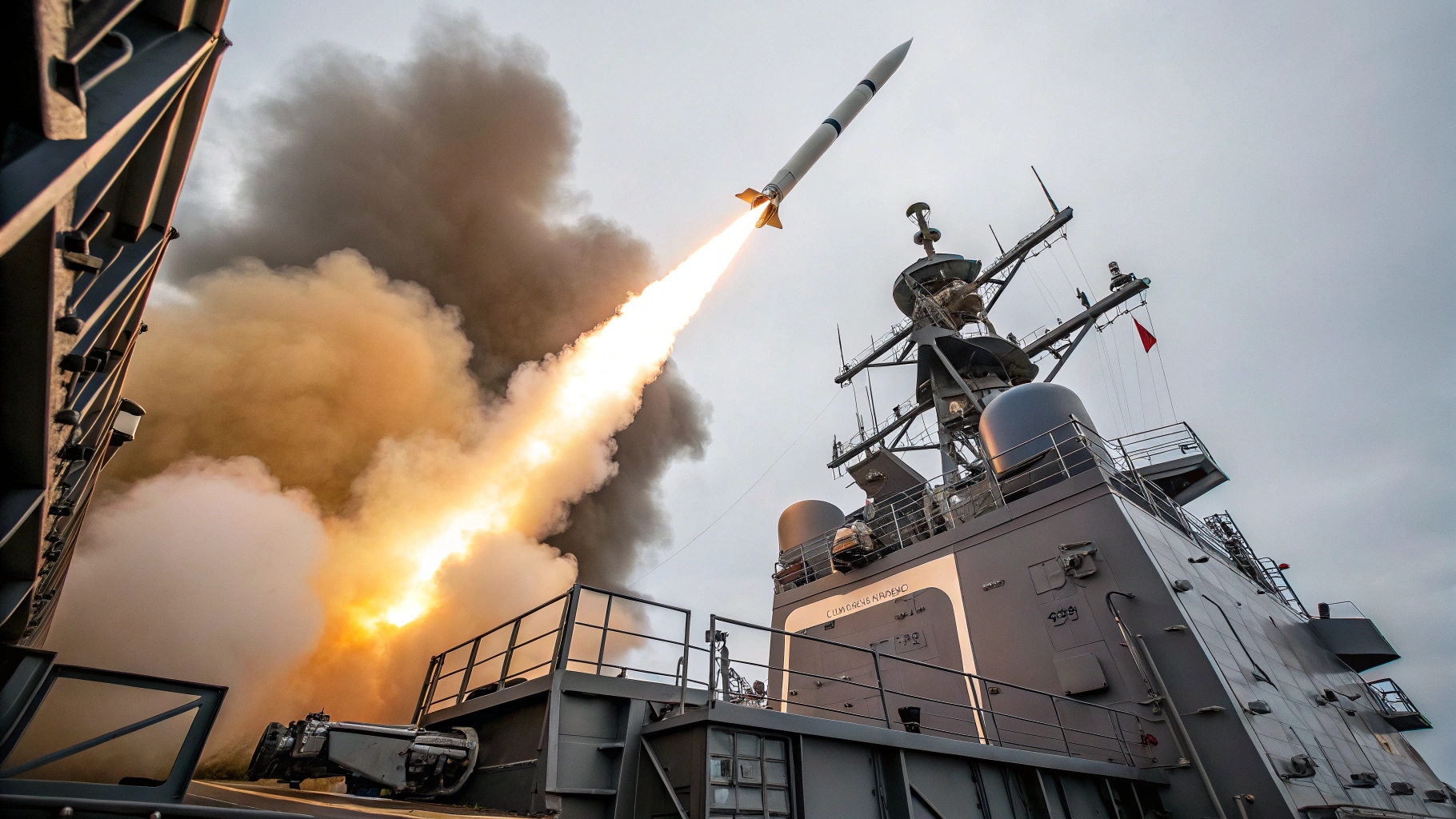
The upcoming corvettes will feature advanced weapons, missile systems, and integrated sensors designed to detect, track, and engage threats across aerial, surface, and underwater operational environments.
Their primary missions will include anti-surface warfare, anti-submarine operations, littoral combat, and maritime surveillance. The vessels will also support coastal security and maintain a sustained naval presence in strategically important maritime regions.
Their multi-role capabilities are expected to strengthen the Indian Navy’s ability to respond to emerging threats, protect commercial shipping, and monitor activities across India’s surrounding maritime environment.
The construction programme will involve a broad network of domestic suppliers providing materials, equipment, components, and specialised technologies. Smaller businesses and supporting industries are also expected to participate in the supply chain, creating opportunities for India’s indigenous shipbuilding and defence manufacturing sectors.
Strengthening India’s Maritime Domain Awareness
The eight-corvette programme forms part of India’s wider strategy to strengthen maritime security and improve its ability to monitor vessel movements across the Indian Ocean Region.
Alongside naval platform modernisation, India is increasingly focusing on satellite-based intelligence and advanced maritime surveillance technologies to improve Maritime Domain Awareness (MDA).
Earlier this year, Vantor secured a US Navy contract to provide satellite intelligence supporting the Indian Navy and other Indo-Pacific partners. Its Maritime Sentry system uses artificial intelligence to analyse radar and optical satellite imagery, enabling the identification and tracking of vessels across extensive ocean areas.
The technology is also designed to identify so-called dark vessels that disable, manipulate, or fail to transmit Automatic Identification System (AIS) signals, making them difficult to monitor through conventional maritime tracking networks.
The combination of next-generation naval vessels, indigenous shipbuilding capabilities, and space-based surveillance technologies is expected to strengthen India’s maritime security architecture. The eight-corvette programme will also reinforce domestic defence production while improving the Indian Navy’s ability to protect critical maritime routes and respond to evolving regional security challenges.