
Denmark and Finland have signed procurement agreements with Finnish defence company Forcit to acquire its BLOCKER naval mine system, strengthening their maritime defence capabilities through multinational cooperation.
Both acquisitions are being undertaken through the Finland-led International Naval Mines Cooperation (NMC) initiative, which also includes Germany, Lithuania, and Norway.
In June, the Finnish Defence Forces Logistics Command signed a procurement agreement with Forcit on behalf of all five participating nations. The Finnish government estimated the value of the agreement at several hundred million euros.
The NMC initiative is designed to coordinate joint procurement activities while enhancing cooperation in logistics, personnel training, military exercises, and life-cycle management of naval mine systems.
BLOCKER Smart Naval Mine System
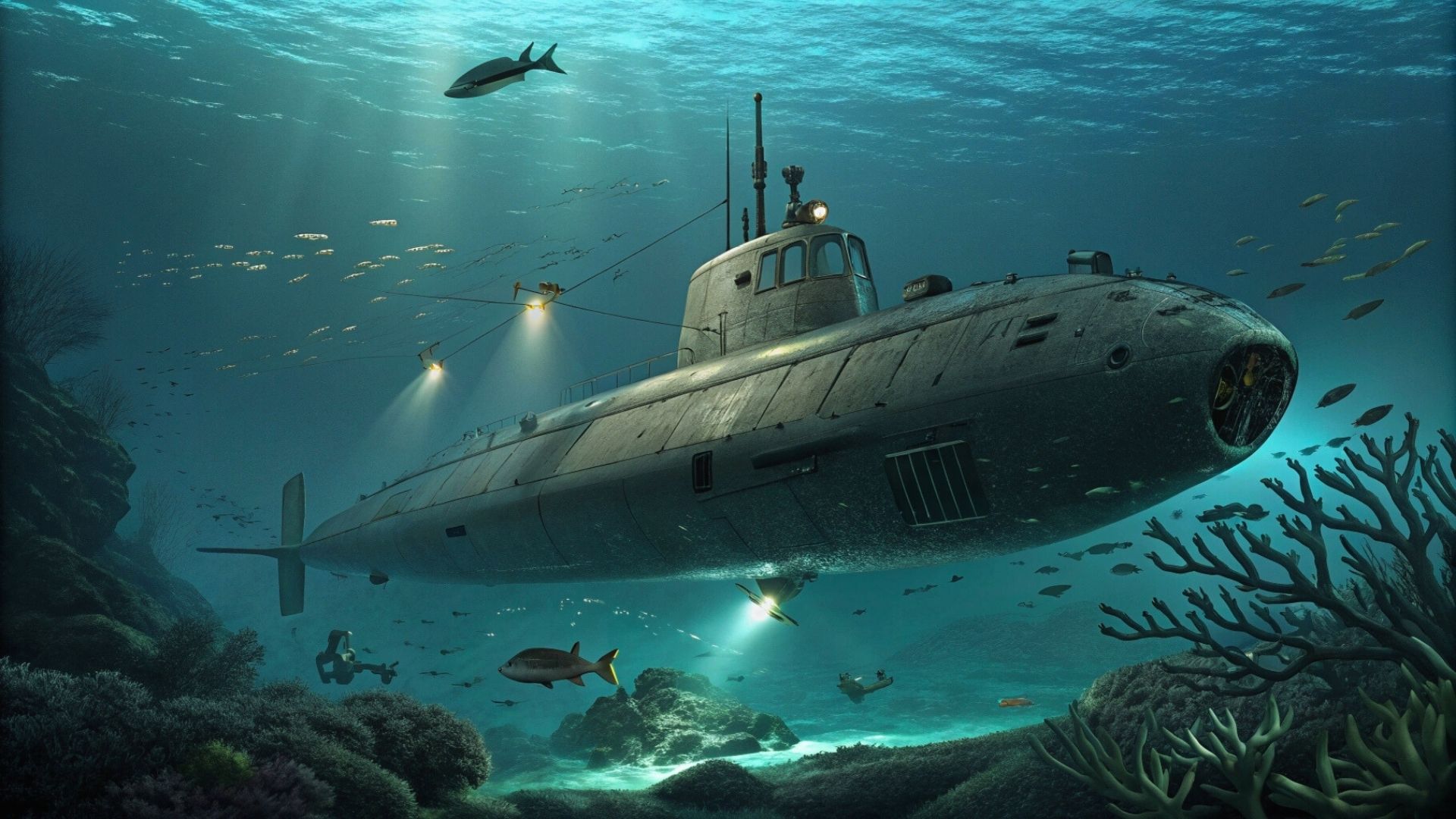
BLOCKER is an intelligent influence sea mine developed to detect and engage underwater targets using multiple sensing technologies. According to Forcit, the system carries an explosive payload equivalent to more than 1,000 kilograms (2,204.62 pounds) of TNT.
The naval mine can be deployed from boats, surface vessels, or helicopters and is designed to remain operational on the seabed for up to two years.
Its multi-sensor target detection architecture combines acoustic, pressure, magnetic, and inertial sensors to identify potential targets. An optional photonic sensor can also be incorporated to expand its sensing capabilities.
The system supports configurable detection and activation algorithms, allowing operators to adapt its response characteristics to different target signatures and mission requirements.
Forcit also supplies dedicated programming equipment and software tools for developing, evaluating, and updating the system’s detection algorithms. According to the company, BLOCKER is armed only after reaching the seabed.
The procurement by Denmark and Finland under the NMC framework highlights growing regional cooperation in naval mine capabilities and the development of coordinated maritime defence solutions among European NATO members.