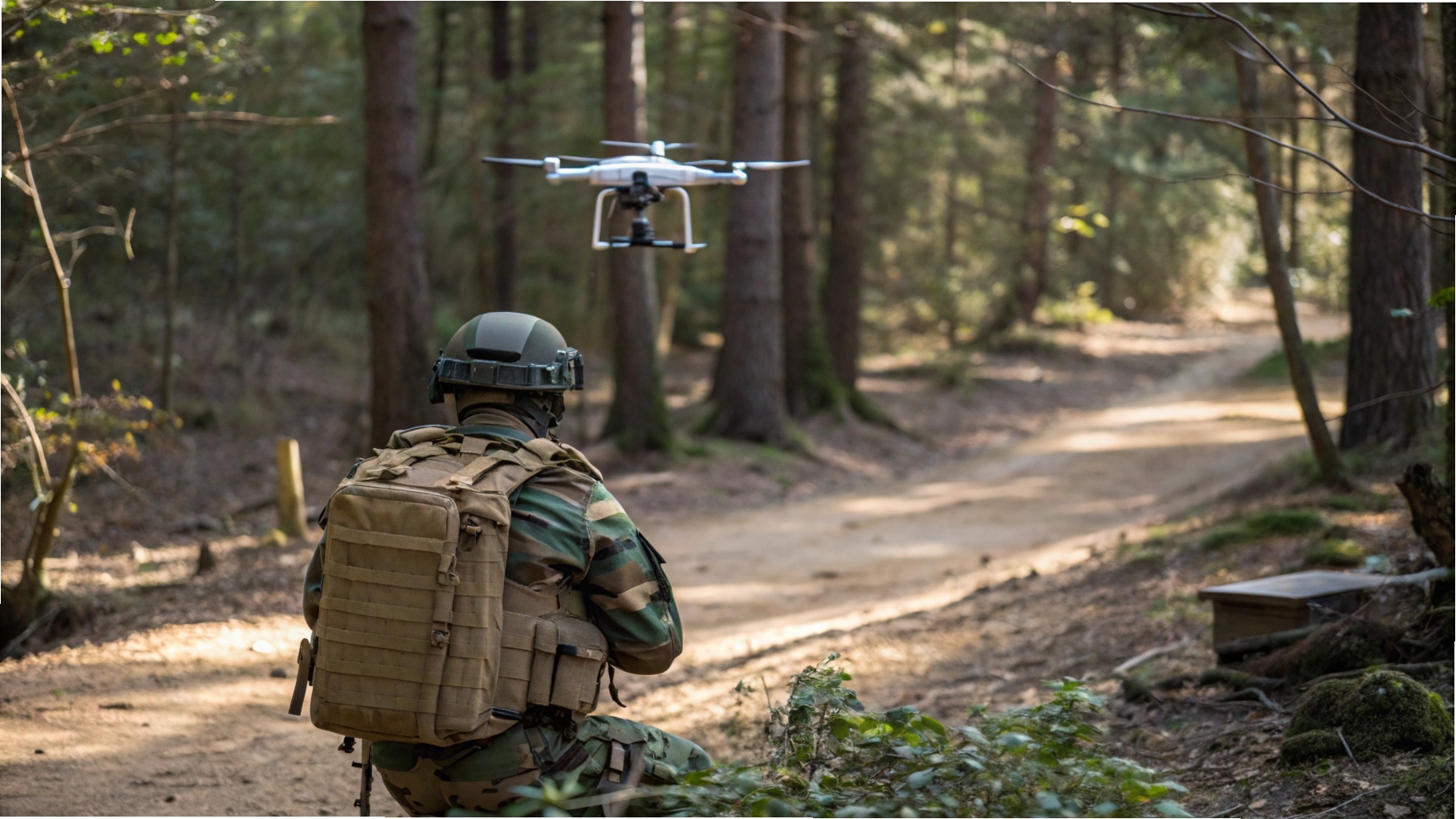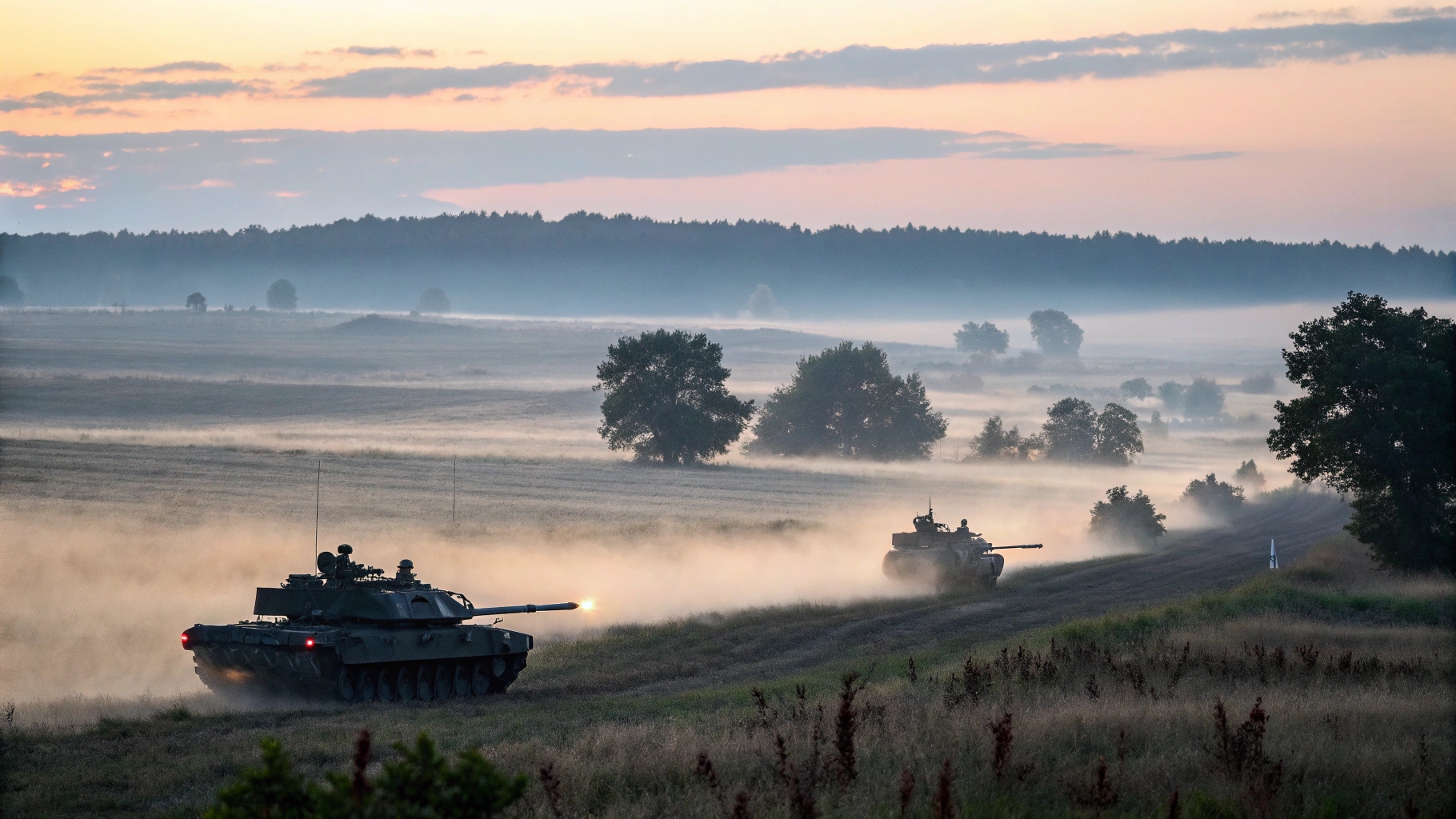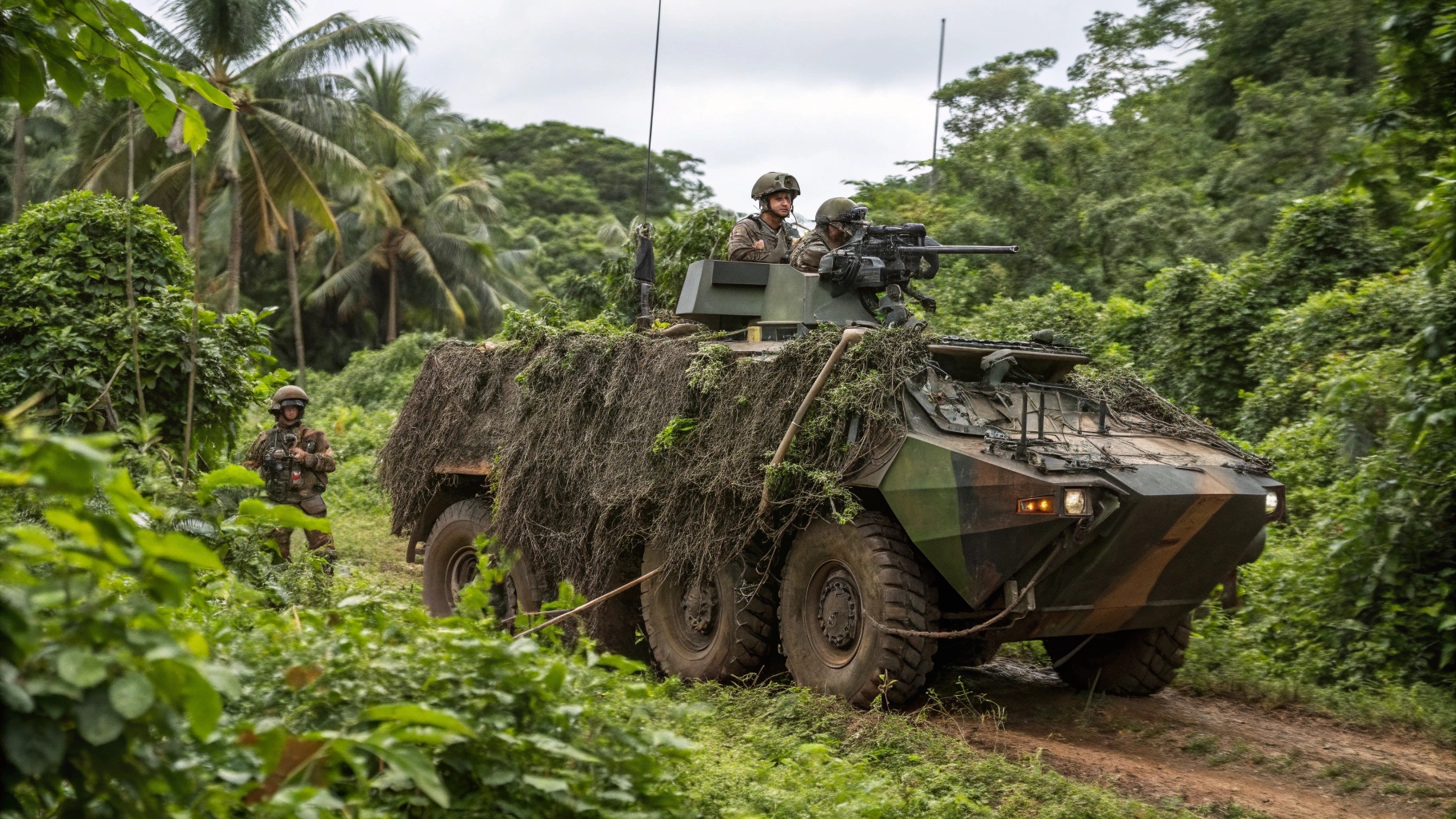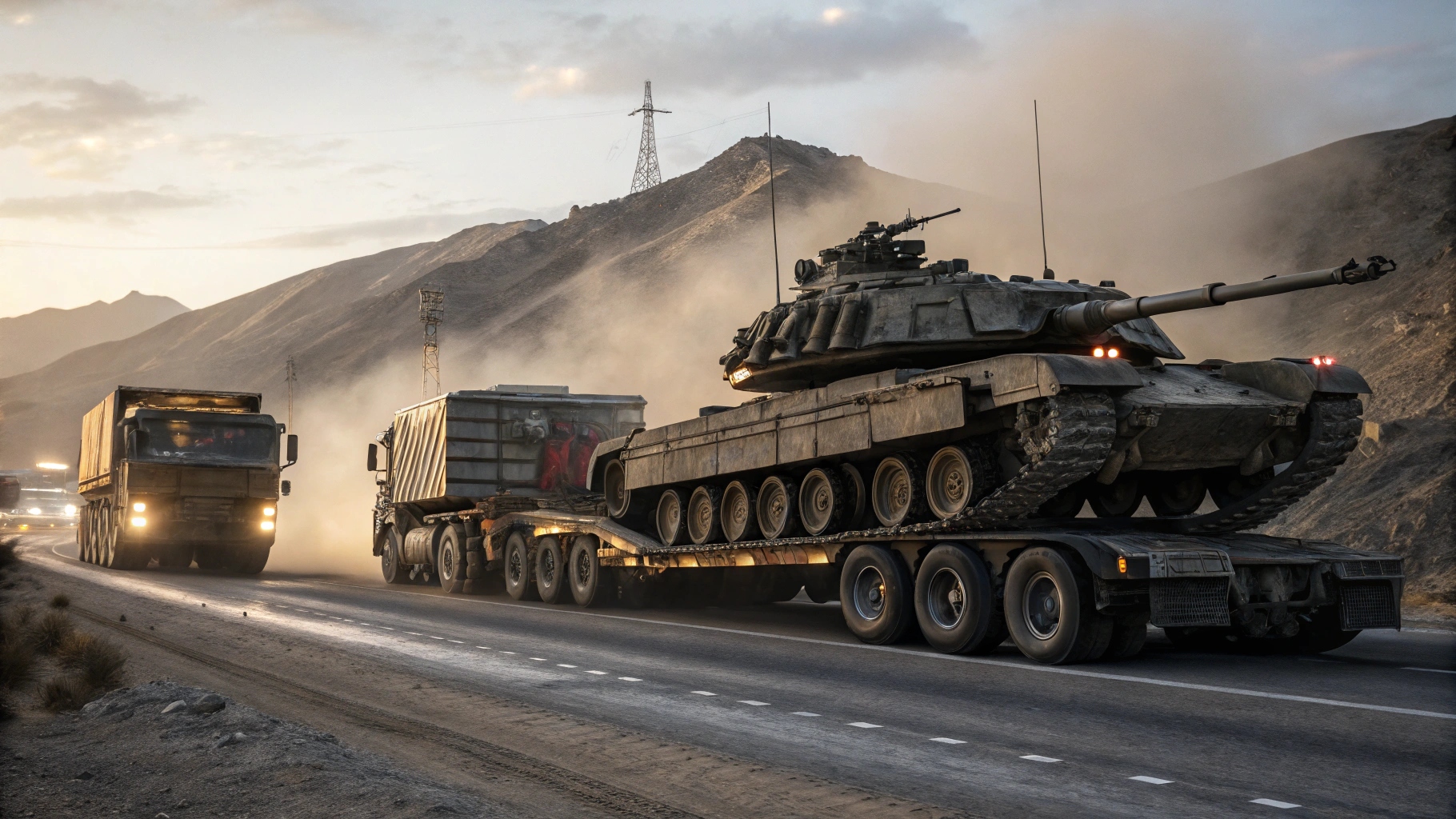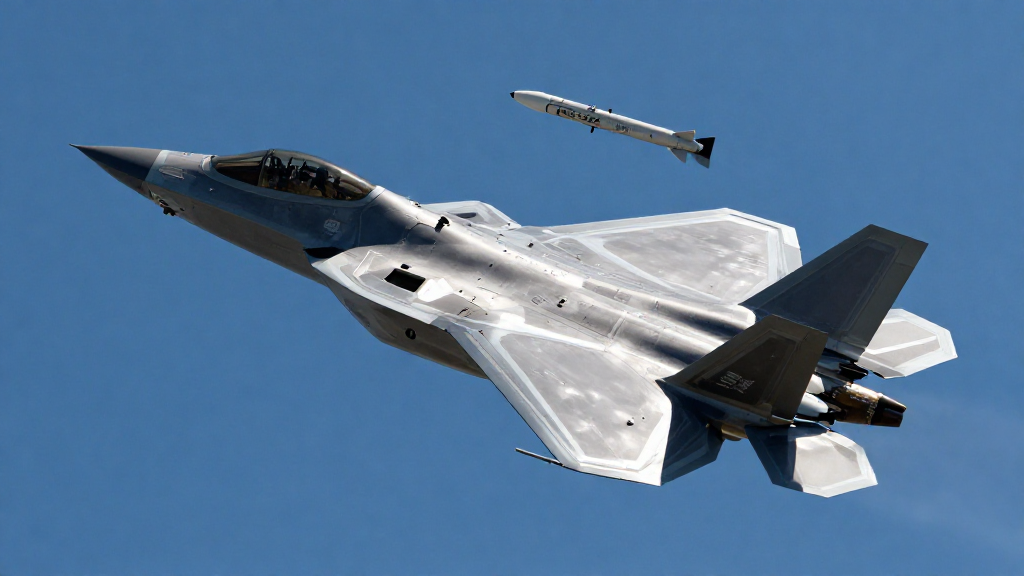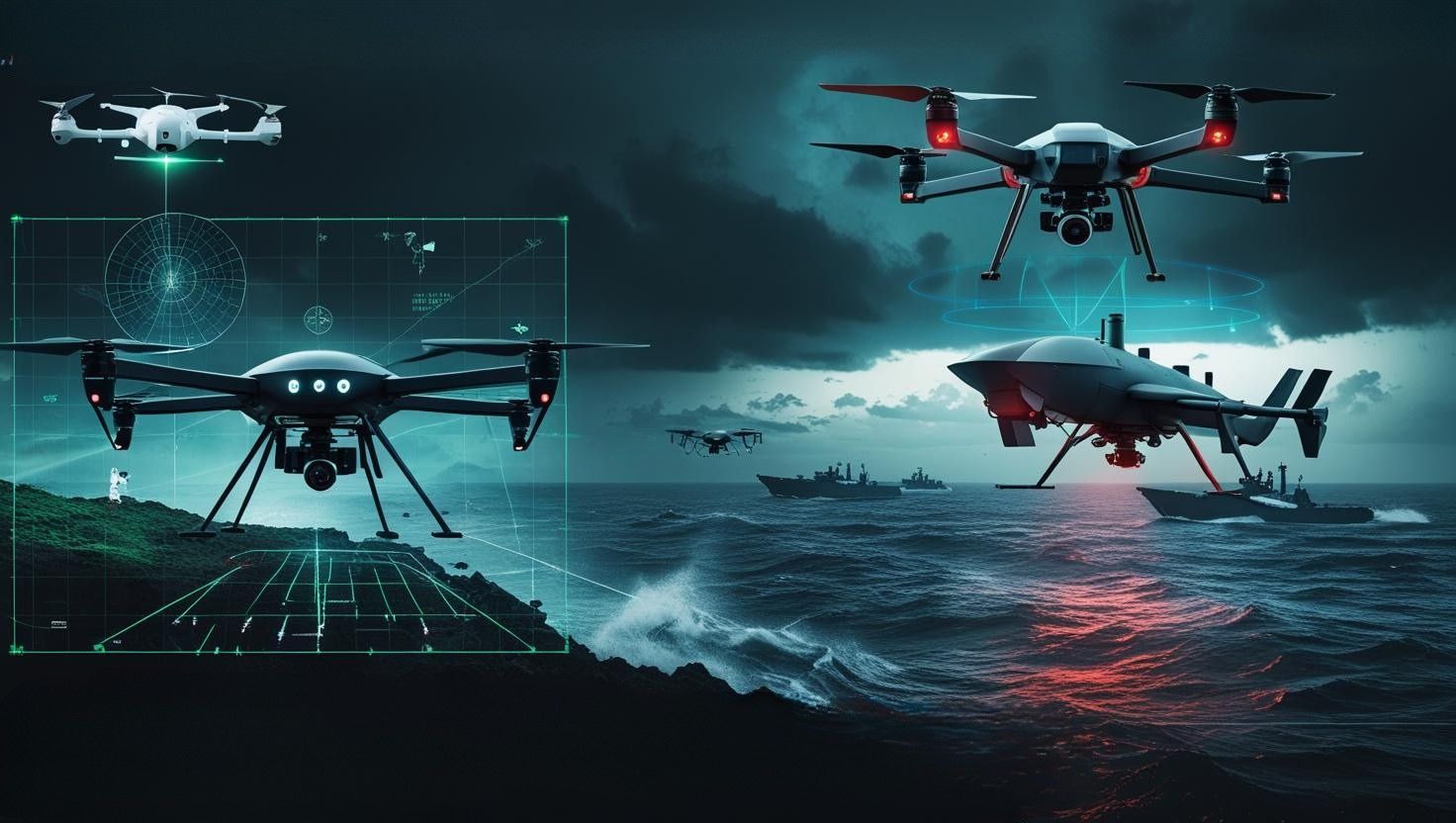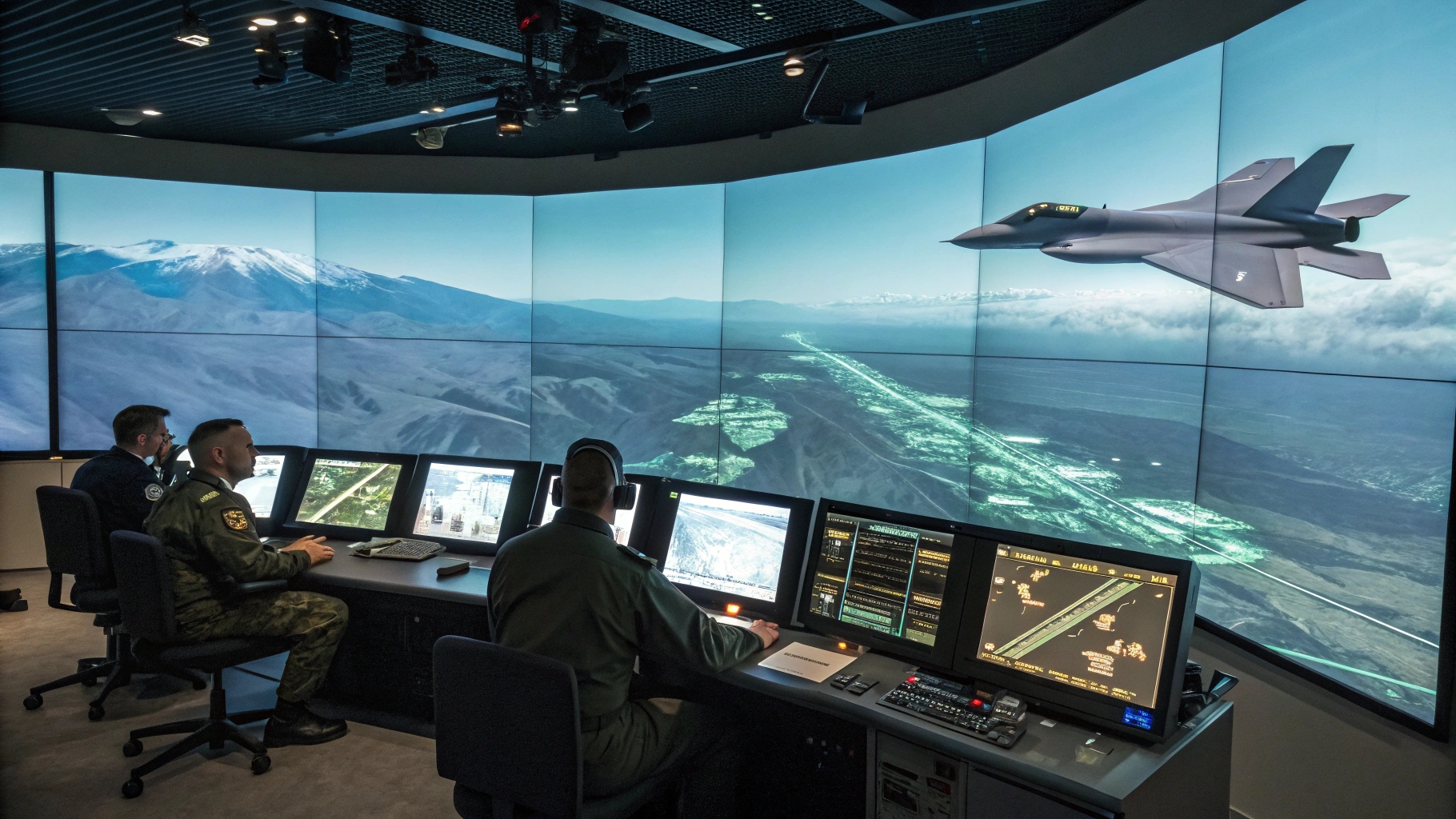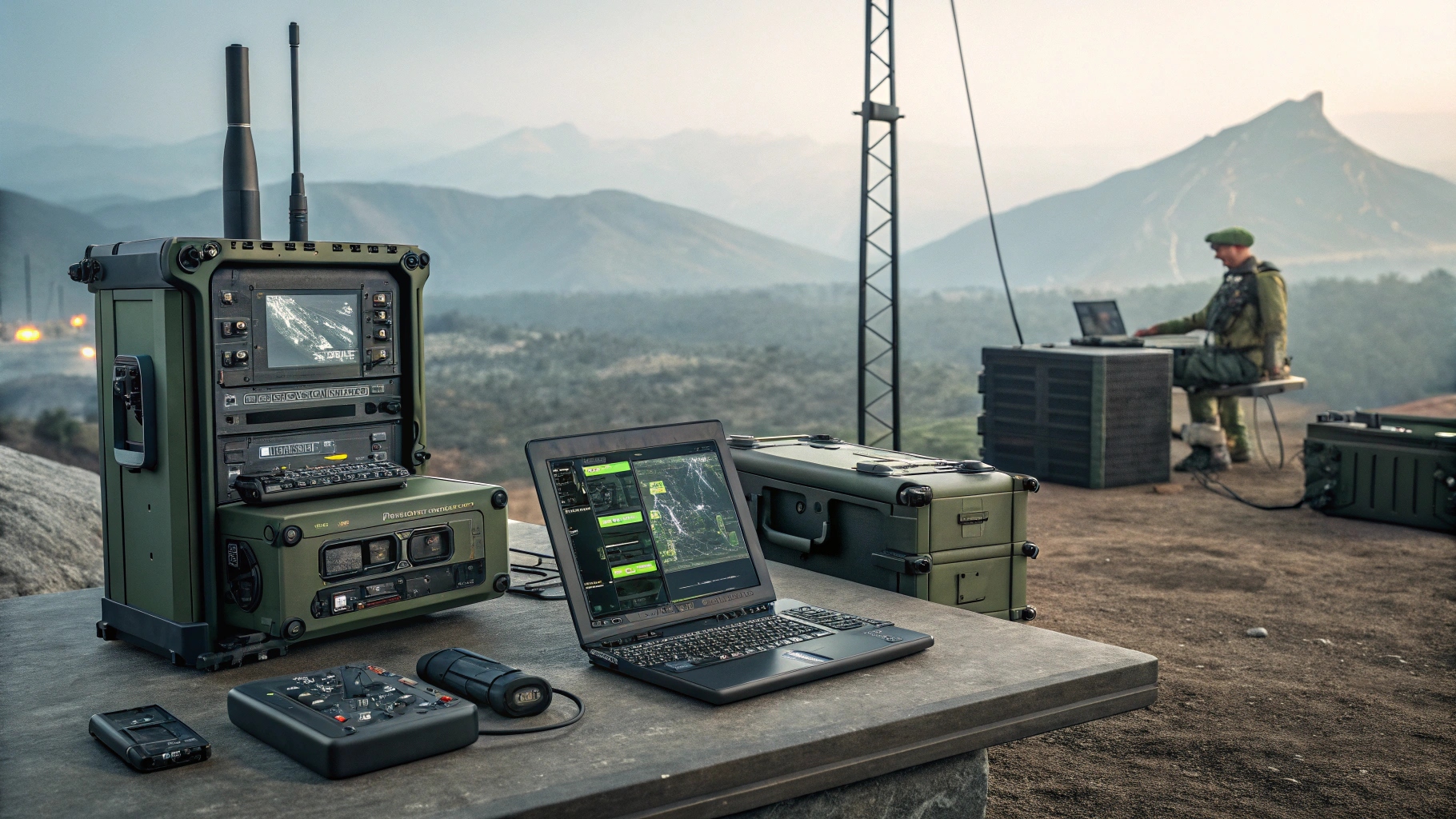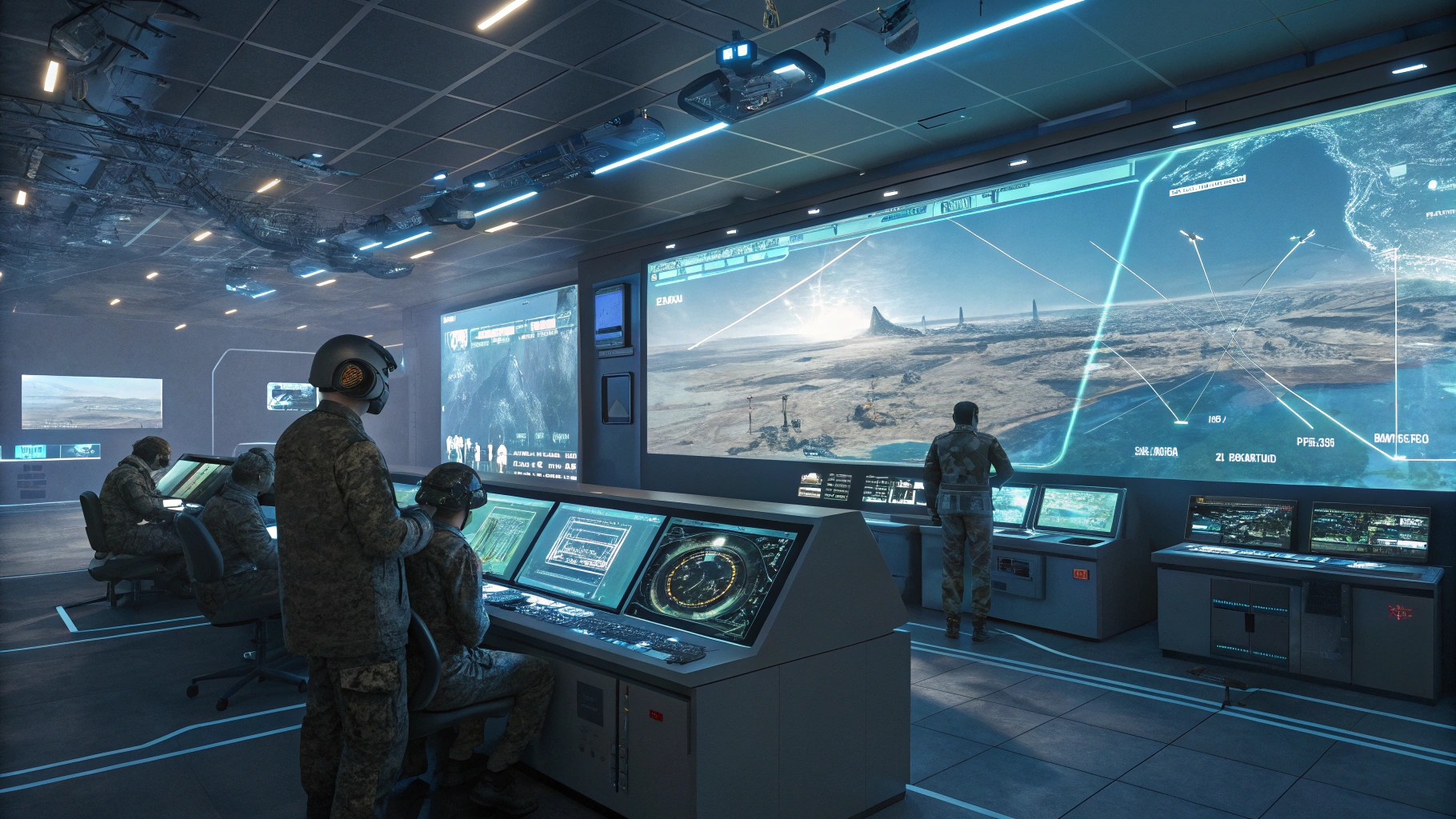
Future warfare may place less emphasis on static defensive lines and greater importance on connected, multi-layered networks capable of identifying and weakening enemy forces across the battlefield. For the Indian Army, particularly as it develops the Integrated Battle Group (IBG) concept, a potential approach could involve creating a 40-kilometre-deep unmanned engagement network combining ISR assets, loitering munitions, FPV drones, electronic warfare systems, and counter-unmanned aircraft capabilities.
Under this concept, the battlefield would not be treated as a single point of contact. Instead, multiple defensive and strike zones would extend roughly 40 kilometres into enemy-held territory. These interconnected layers would perform different functions, creating a continuous cycle of detection, disruption, targeting, and engagement against advancing forces.
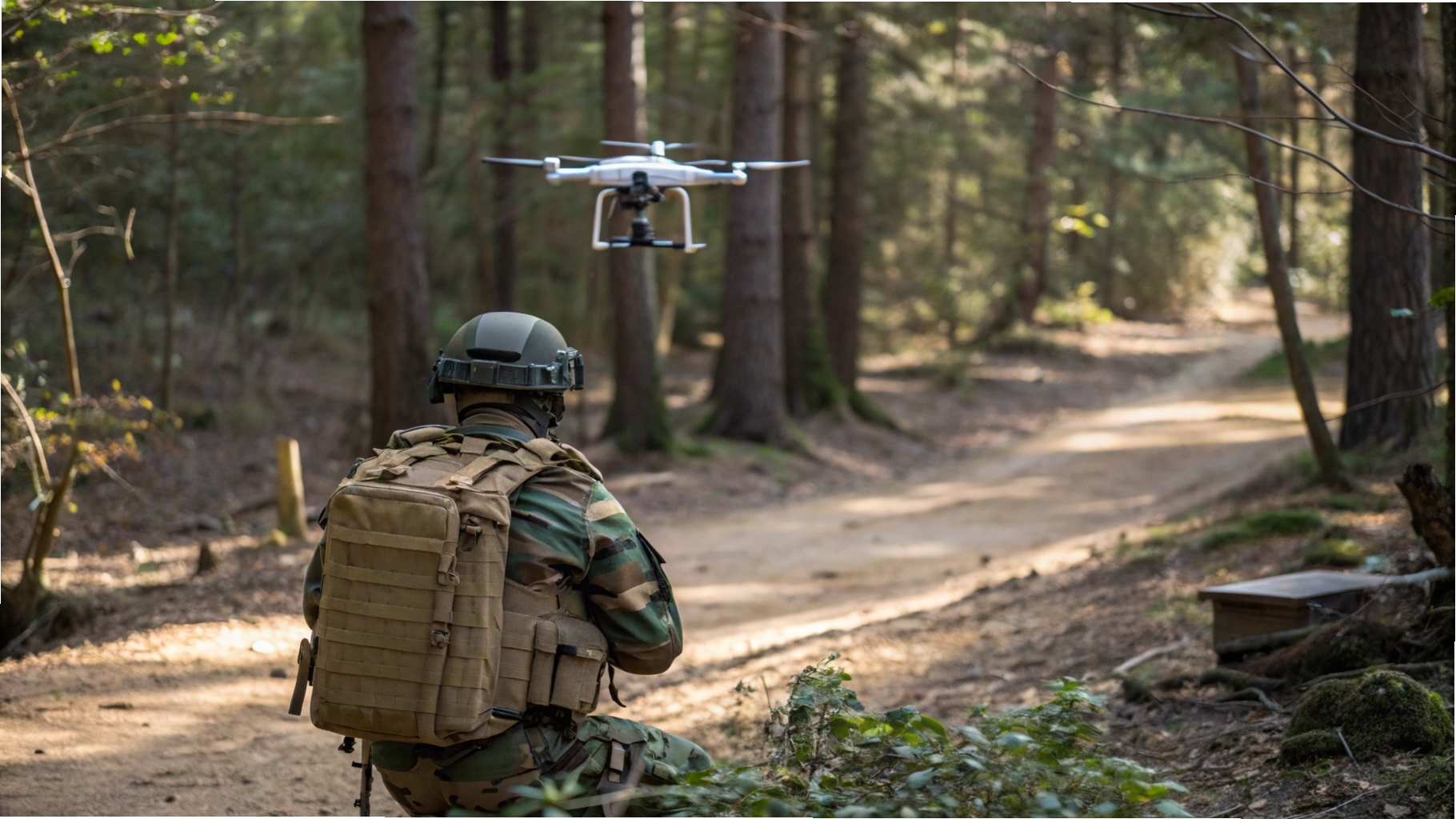
The deepest layer would provide persistent intelligence and surveillance. Long-endurance UAVs carrying electro-optical, infrared, and synthetic aperture radar payloads could observe troop concentrations, artillery deployments, logistics activity, and other indicators of an impending offensive. By connecting these platforms to IBG command networks, commanders could gain earlier awareness of enemy movements and prepare responses before forces begin advancing.
Following detection, long-range loitering munitions and precision strike systems could target critical military assets at greater depth. Artillery systems, command vehicles, radar installations, ammunition depots, and other high-value targets could be engaged before they directly support frontline operations. This approach would focus on reducing an attacking force’s combat capability before it reaches the primary defensive zone.
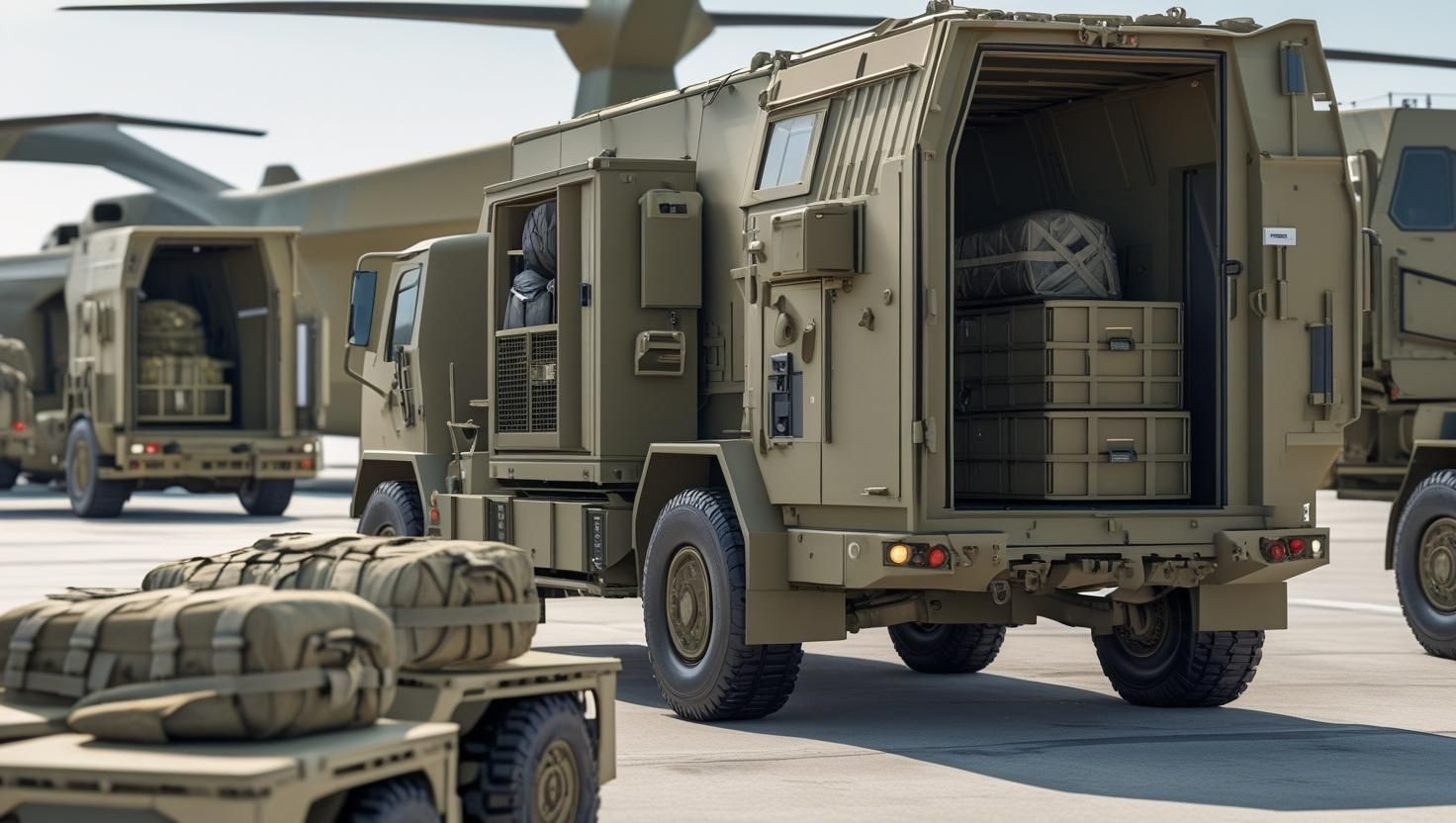
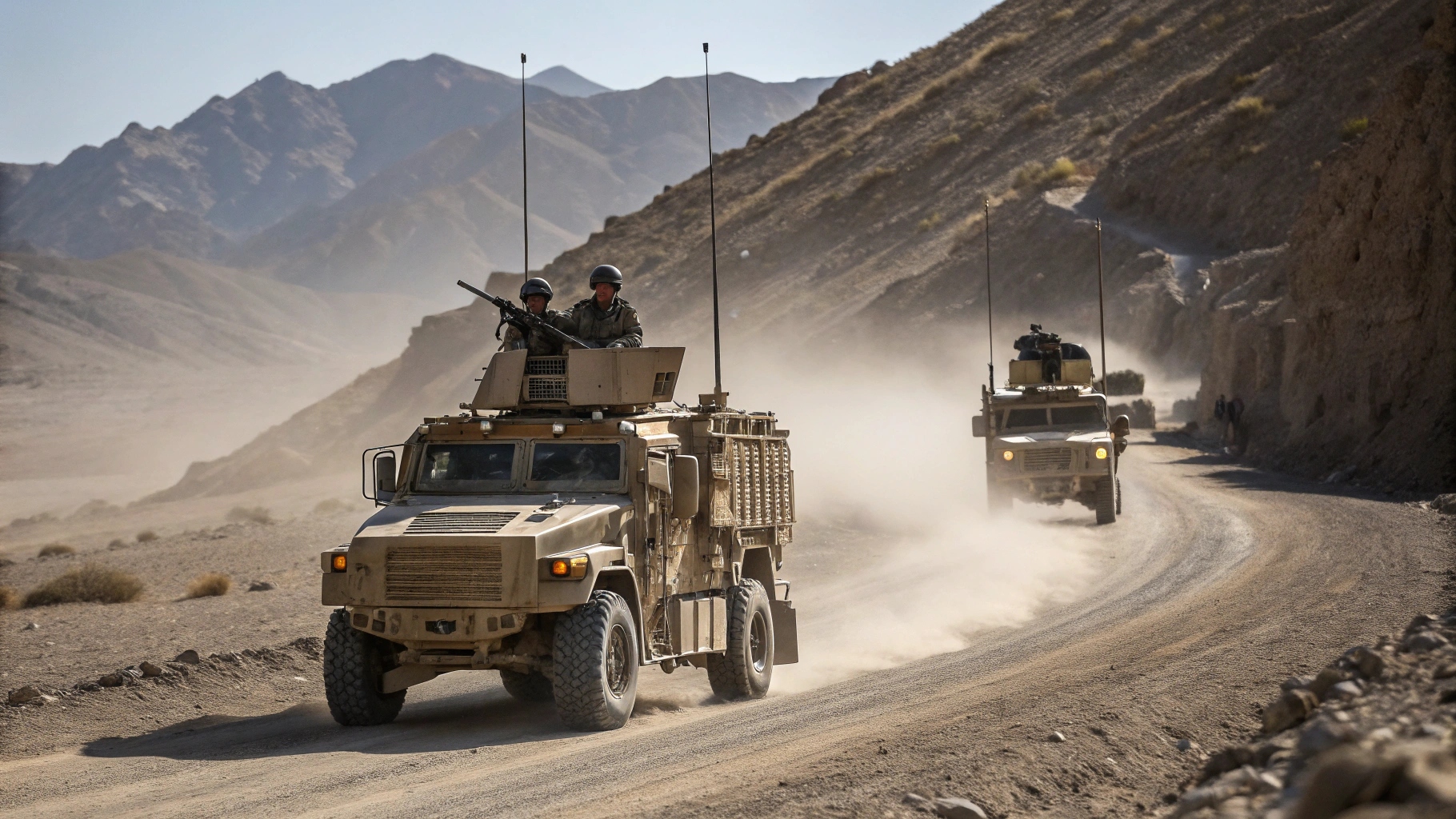
A separate layer could concentrate on attacking the logistics systems that sustain mechanised operations. FPV drones, autonomous strike platforms, and precision-guided munitions could be directed against fuel tankers, supply convoys, engineering vehicles, and bridge-laying equipment. Disrupting these supporting assets could slow the movement of armoured and mechanised formations and reduce their ability to maintain offensive momentum.
Closer to the front, the defensive network could become increasingly dense. Short-range FPV drones, loitering munitions, and anti-armour weapons could target tanks, infantry fighting vehicles, assault units, and combat engineers. The relatively low cost of unmanned systems compared with heavy armoured platforms could allow defenders to generate a more favourable cost exchange while increasing the risks faced by advancing formations.
A robust counter-drone capability would also be essential. Friendly forces would require protection from the same types of unmanned systems used against the adversary. Mobile sensors, anti-drone radars, electronic warfare systems, radio-frequency jammers, directed-energy weapons, and interceptor drones could form protective layers around troops and key assets while challenging hostile drone operations.
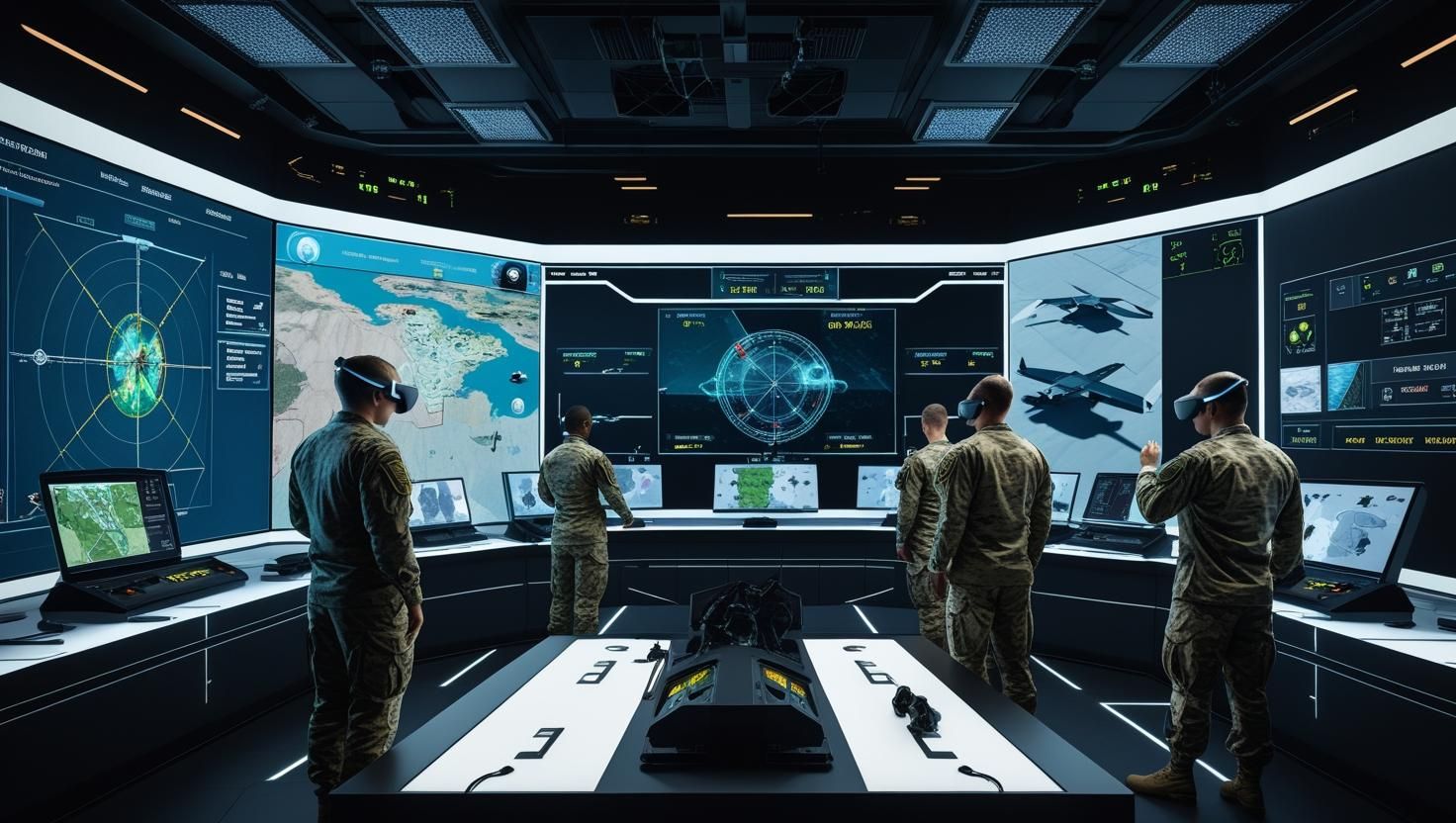
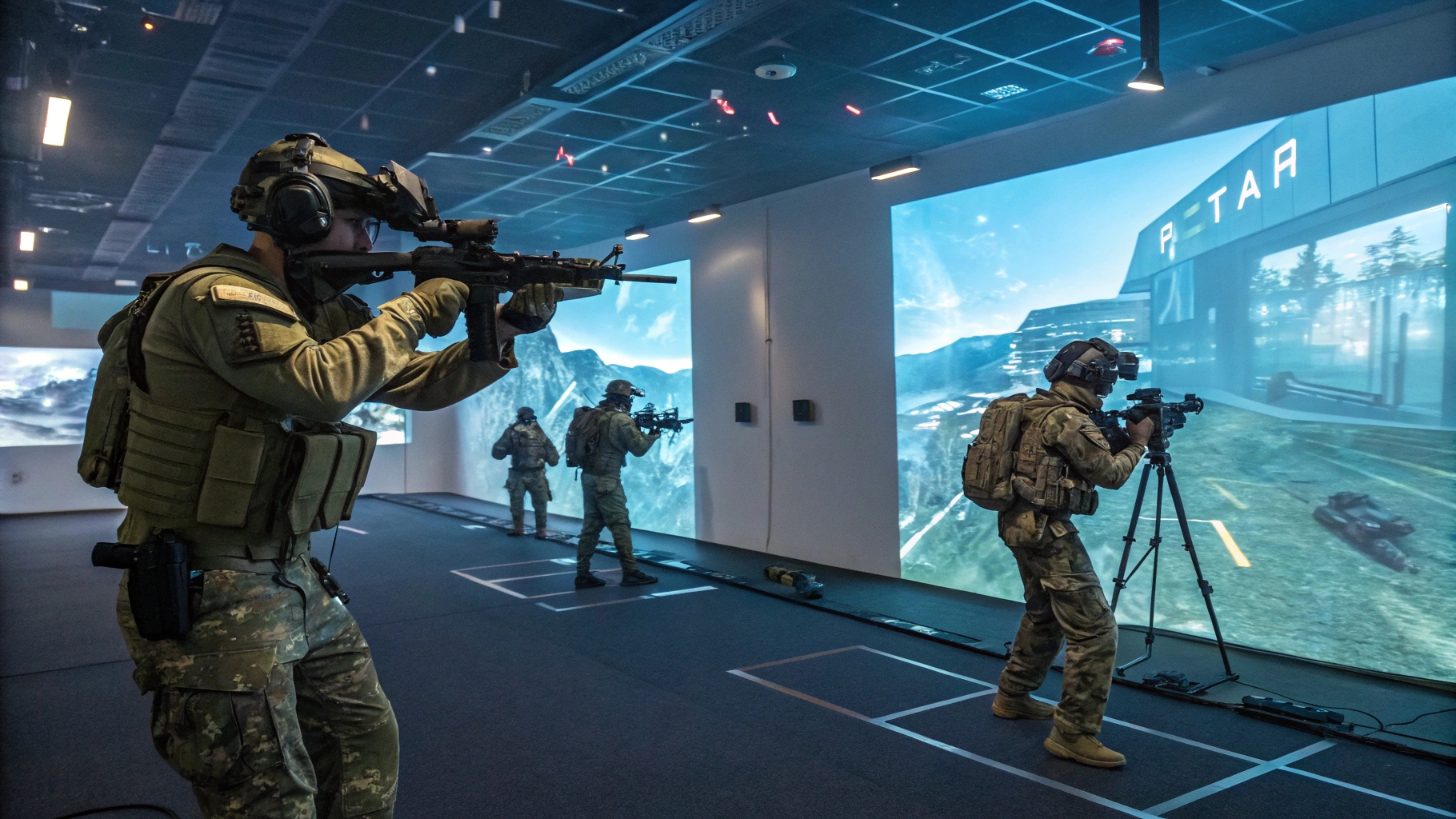
The effectiveness of the entire network would depend heavily on artificial intelligence and automated data processing. With large numbers of drones, sensors, and ground systems operating simultaneously, commanders could face an overwhelming volume of information. AI-enabled command-and-control tools could help identify priority targets, assess threats, coordinate unmanned platforms, allocate available weapons, and recommend engagement sequences within seconds.
India’s expanding ecosystem of indigenous drone, autonomous, ISR, and electronic warfare technologies could support such an architecture. Platforms developed by DRDO and private-sector companies, combined with satellite-based intelligence, secure communications, and integrated fire-control networks, could enable IBGs to operate as more connected and data-driven combat formations.
The central purpose of a 40-kilometre-deep unmanned kill web would be to impose continuous pressure across the battlefield rather than relying solely on a final defensive line. Enemy forces could be detected at depth, their command and logistics systems disrupted, and their combat formations progressively weakened. Ideally, by the time an attacking force approaches Indian defensive positions, it would already face reduced situational awareness, disrupted supply lines, degraded fire support, and diminished armoured combat power.