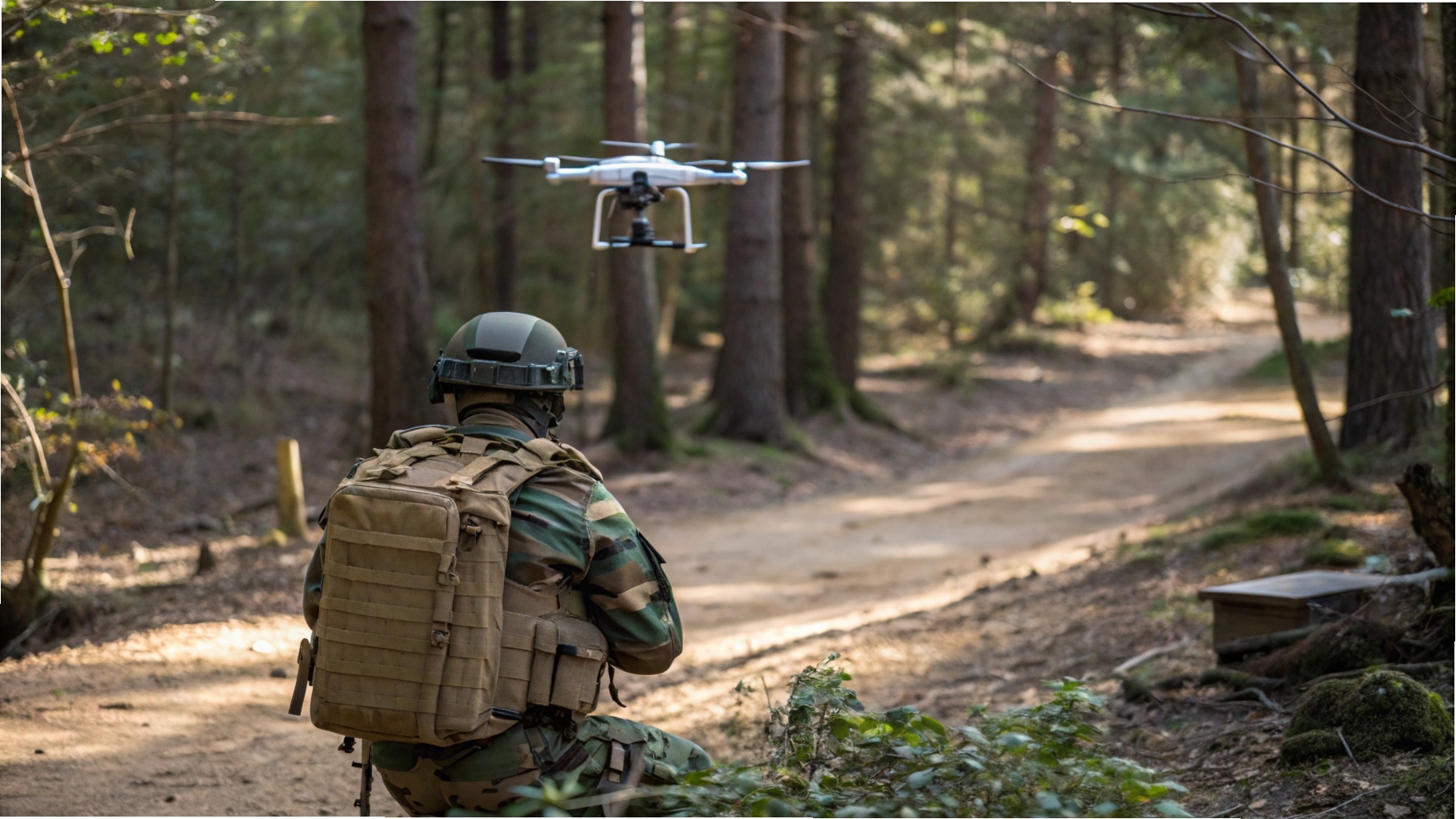
ThinKom Solutions has received a US Army contract worth up to $49 million to develop and evaluate Alecto, a mobile high-power microwave weapon intended to defeat small unmanned aerial systems.
The contract could support the production of as many as four Alecto prototypes. Initial funding will focus on the first prototype, with field trials expected to take place in 2027.
As part of the program, ThinKom will integrate its microwave effector with sensors, fire-control equipment, and a mobile platform selected by the Army. Government teams will subsequently carry out integration activities, testing, and system evaluations.
The effort is being managed by the US Army’s Program Manager for Advanced Counter-Unmanned Aircraft System Effects, which operates under the Portfolio Acquisition Executive Fires.
Data collected during the trials will support the Army’s assessment of whether mobile directed-energy systems can offer a viable non-kinetic capability against increasingly sophisticated drone threats.
Alecto High-Power Microwave System
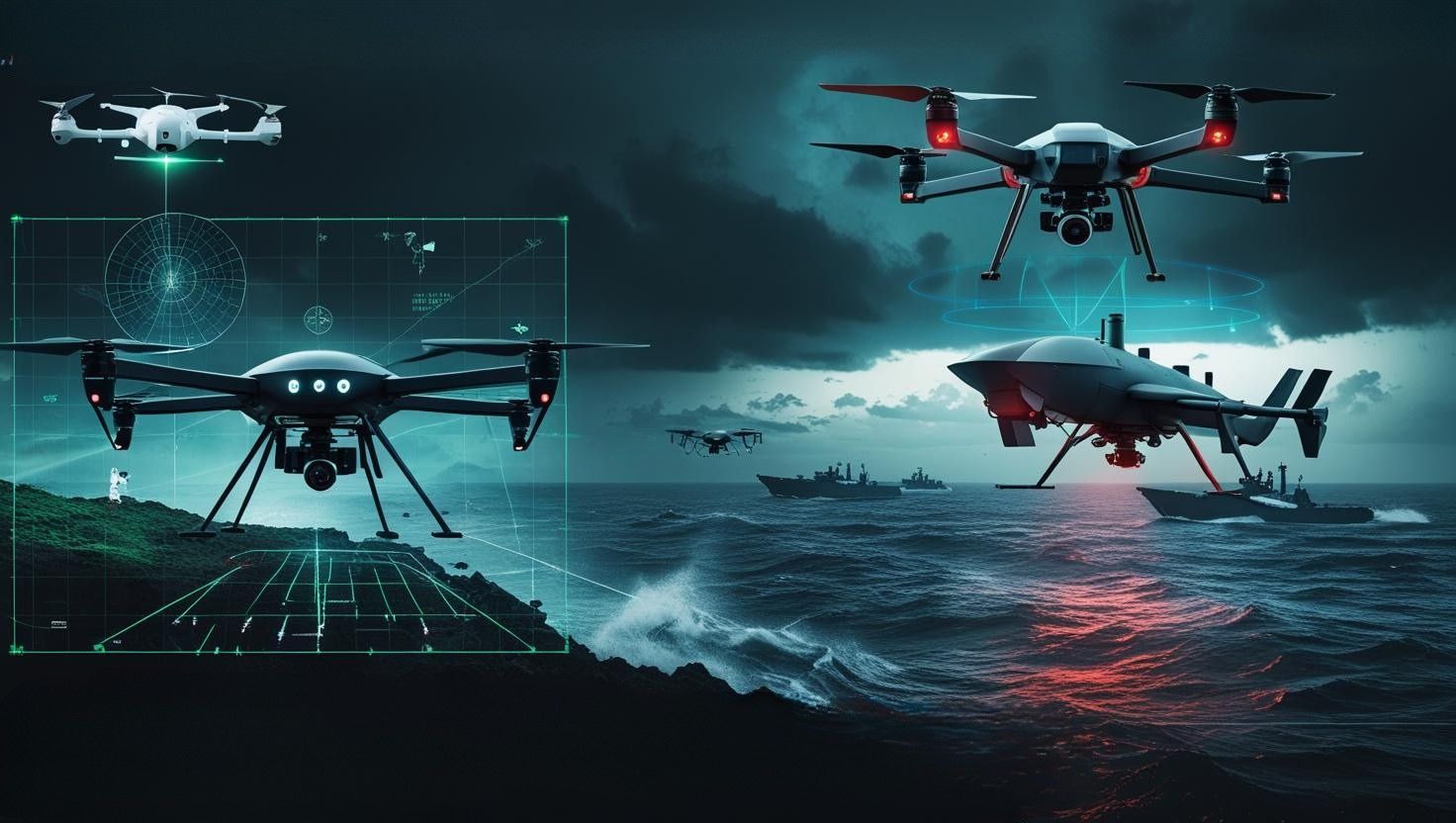
Alecto is being developed to counter Group 1 and Group 2 unmanned aircraft by disrupting or disabling their electronic systems with focused microwave energy.
The system combines high-power vacuum electronic technology with ThinKom’s Variable Inclination Continuous Transverse Stub antenna. The mechanically steered antenna is designed to rapidly direct and concentrate microwave energy toward a selected target while limiting unwanted radiation beyond the engagement area.
According to ThinKom, Alecto can rapidly steer its beam, maintain prolonged engagements, and operate at a comparatively low cost per shot.
Such capabilities could make it suitable for defending against single drones as well as coordinated drone swarms, potentially reducing the need to use expensive and limited missile-based interceptors.
Alecto is intended for installation on a range of mobile platforms, from Infantry Squad Vehicles to unmanned ground systems. Its planned fire-on-the-move capability would allow forces to engage drones without stopping the vehicle.
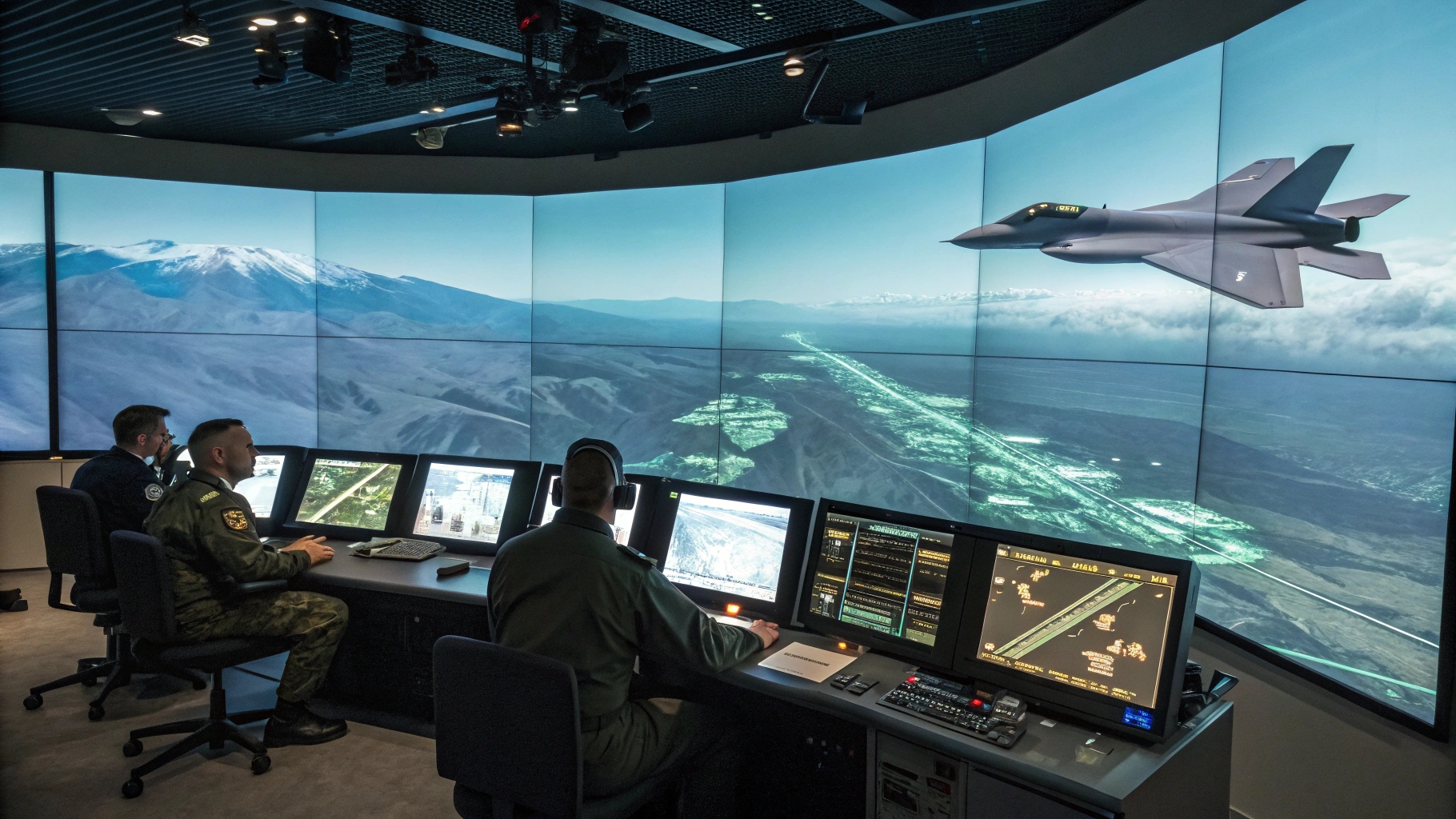
The system will feature a tablet-based control interface and is designed to connect with existing military command-and-control networks for improved battlefield integration.