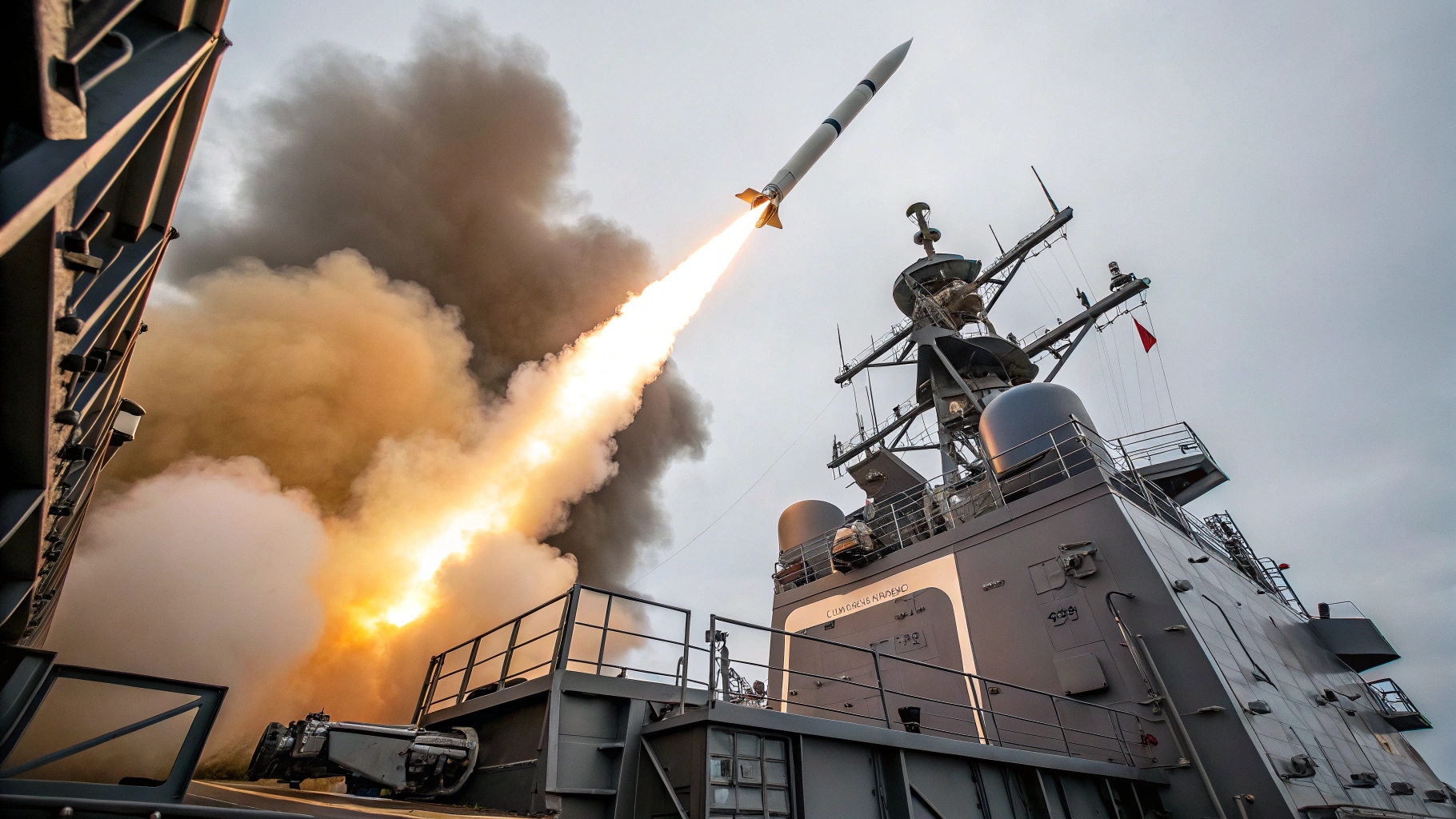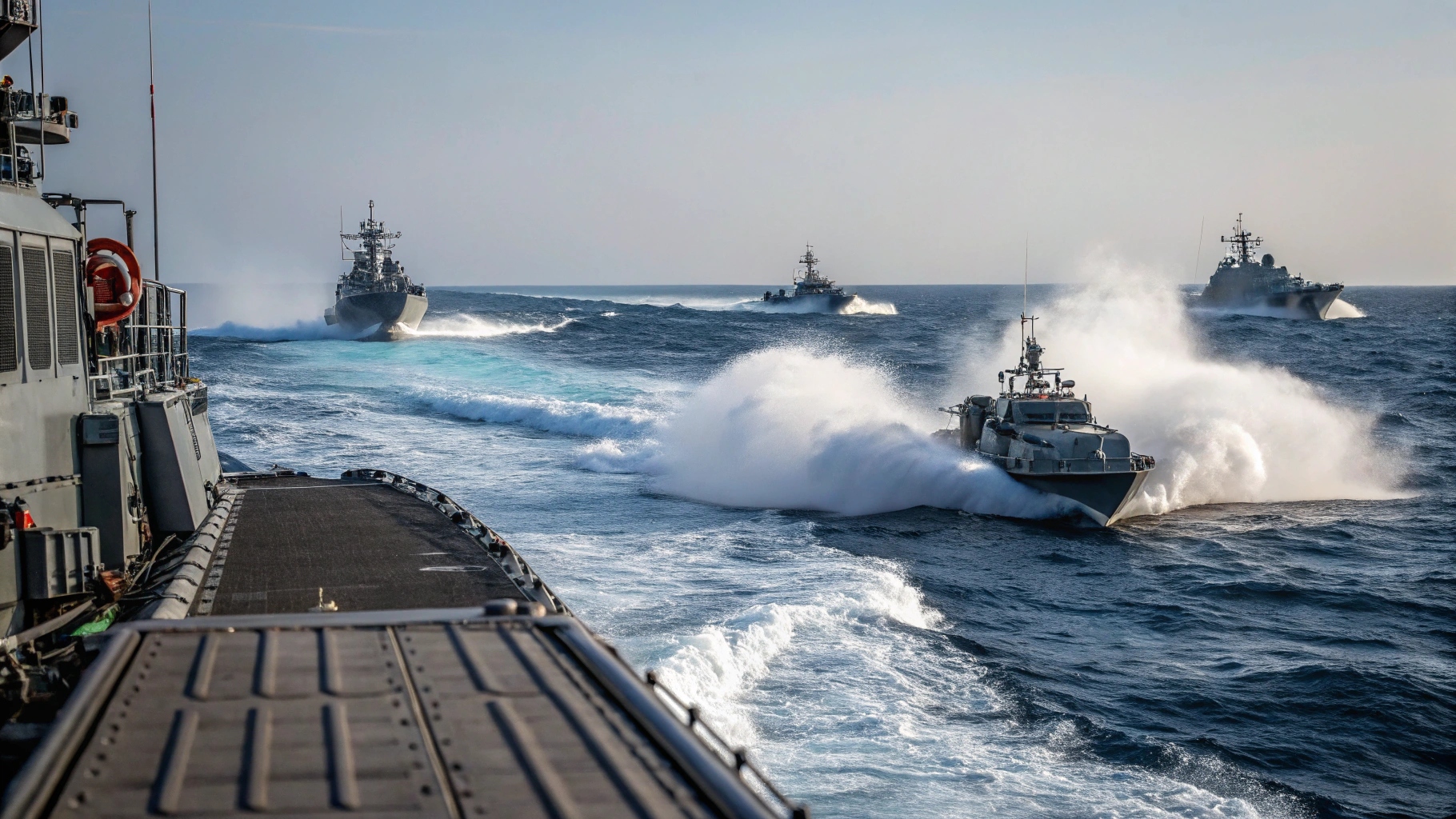

The United Kingdom is set to procure three offshore support vessels that will function as motherships for uncrewed mine-hunting systems, with the first vessel expected to be delivered in 2031. The agreement also provides an option for Britain to acquire three additional ships in the future.
As part of the arrangement, the UK will participate in Norway’s P1118 Standardised Vessel Programme, obtaining the vessels through a government-to-government maritime cooperation framework. Britain has committed an additional £90 million ($119 million) towards the procurement, although the overall contract value has not yet been revealed.
The vessels will serve as platforms for uncrewed systems capable of detecting and neutralising naval mines, enabling personnel to conduct mine-countermeasure missions from a safer distance. In addition to mine warfare operations, the Royal Navy plans to deploy these ships in support of anti-submarine warfare activities along NATO’s northern flank.
Strengthening UK-Norway Naval Cooperation
The latest mine-countermeasure vessel agreement further expands the growing naval partnership between the UK and Norway. Their cooperation includes Norway’s £10 billion ($13.2 billion) procurement of British-designed Type 26 frigates last year.
The arrangement strengthens their complementary shipbuilding relationship, with Norway supplying offshore support vessels for British naval operations while the UK delivers advanced frigates to the Norwegian Navy. Both countries are also exploring opportunities to collaborate on uncrewed anti-submarine warfare technologies.
Earlier this month, Thales UK and Kongsberg Maritime signed a memorandum of understanding to jointly develop a vessel for the Royal Navy’s Type 92 requirement. The proposed solution integrates Kongsberg’s Arctic Hunter uncrewed surface vessel with Thales’ underwater sensor technologies, tactical planning capabilities and secure communications systems. The platform is intended to support maritime surveillance and anti-submarine warfare operations across the North Atlantic and the High North.