
Malaysia is planning to reallocate part of its existing procurement of 24 Turkish-made Atmaca anti-ship missiles to equip its five Littoral Combat Ships (LCS), following Norway’s decision to block the planned export of Naval Strike Missiles (NSMs).
According to Malaysian Defence Minister Mohamed Khaled Nordin, the Atmaca missile was selected over competing proposals from France and Italy, with procurement costs and delivery timelines being the primary factors influencing the decision.
The original order for 24 Atmaca missiles was intended to support Malaysia’s Littoral Mission Ship Batch 2 programme, which includes three Turkish-built corvettes. The government now plans to redirect a portion of this procurement towards the Maharaja Lela-class LCS fleet.
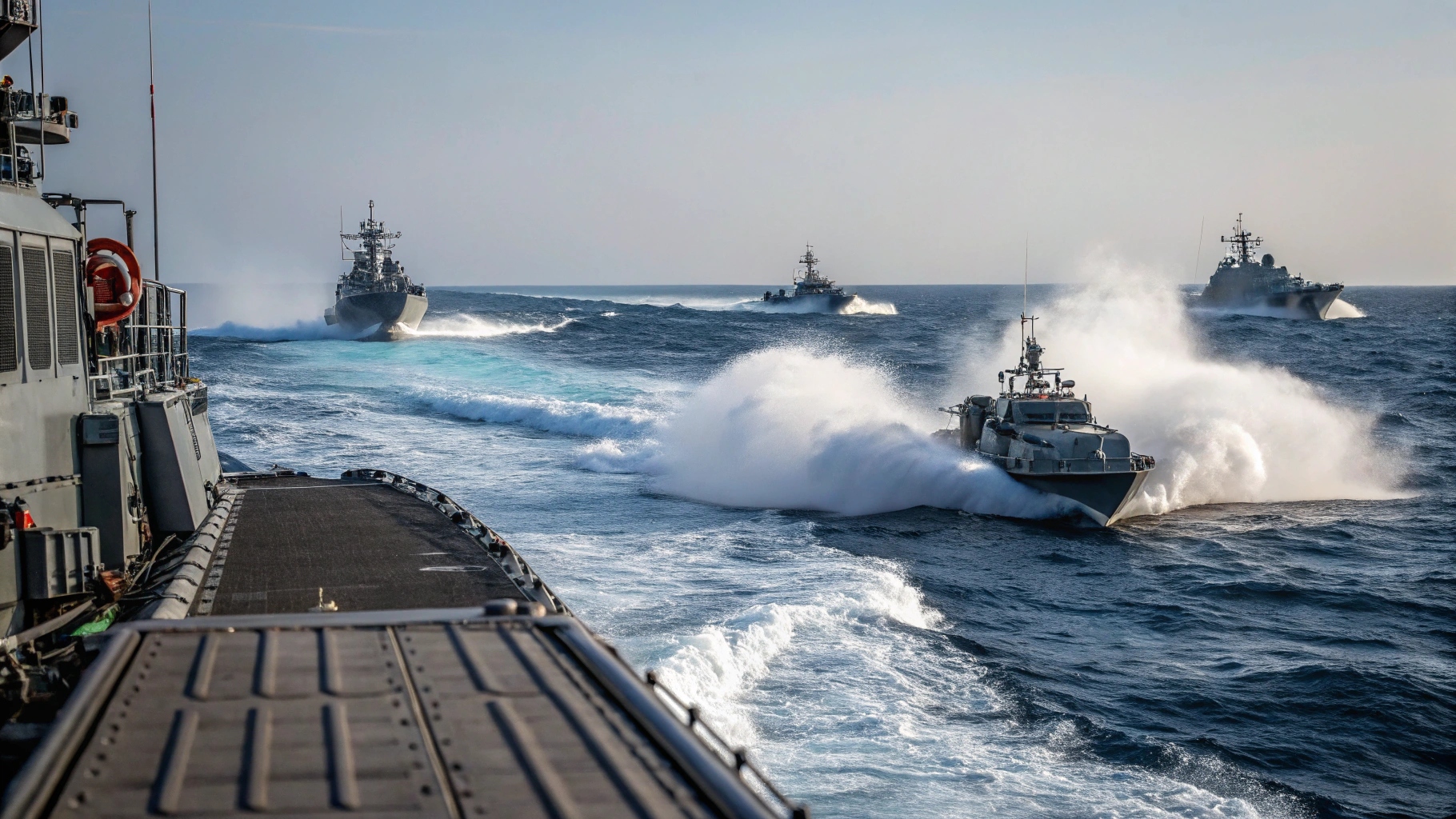
Malaysia’s five Maharaja Lela-class vessels are based on Naval Group’s Gowind corvette design and are being constructed by domestic shipbuilder Lumut Naval Shipyard. Deliveries are scheduled to take place in phases between April 2027 and April 2029.
Atmaca missile deliveries could begin as early as 2028. Nordin indicated that the additional expenditure required to equip the LCS fleet would primarily involve missile launchers and system integration activities.
He also estimated that procuring an entirely new missile system could cost Malaysia between 700 million and 900 million ringgit (approximately $171 million–$220 million). Utilising the country’s existing Atmaca procurement is expected to significantly reduce these additional costs.
Norway’s decision to revoke the export licences for the NSM followed changes in its security environment and tighter restrictions on sensitive defence technology exports, despite an earlier supply agreement signed with Kongsberg Defence & Aerospace in 2018.
Malaysia had originally selected the NSM to replace its ageing Exocet MM40 Block 2 anti-ship missiles, which have been in service for approximately 29 years.
Integration With the SETIS Combat Management System
Nordin stated that Malaysia had received assurances regarding the Atmaca missile’s compatibility with SETIS, the combat management system developed by Naval Group and installed aboard the Maharaja Lela-class vessels.
However, according to Naval News, several technical aspects of the integration process remain under consideration. These include the physical installation of the missile systems aboard the ships and their connectivity with the SETIS combat management architecture.
Tayfun Ozberk, a former Turkish Navy officer, explained that the Atmaca could potentially operate independently through a dedicated console located within the Combat Information Center (CIC), without requiring direct integration into SETIS.
Although this configuration would preserve the missile’s operational capabilities, it would require additional coordination and operational arrangements among the ship’s crew. Conversely, integrating the weapon directly into the combat management system would facilitate its employment within the vessel’s broader combat architecture.
Atmaca Anti-Ship Missile
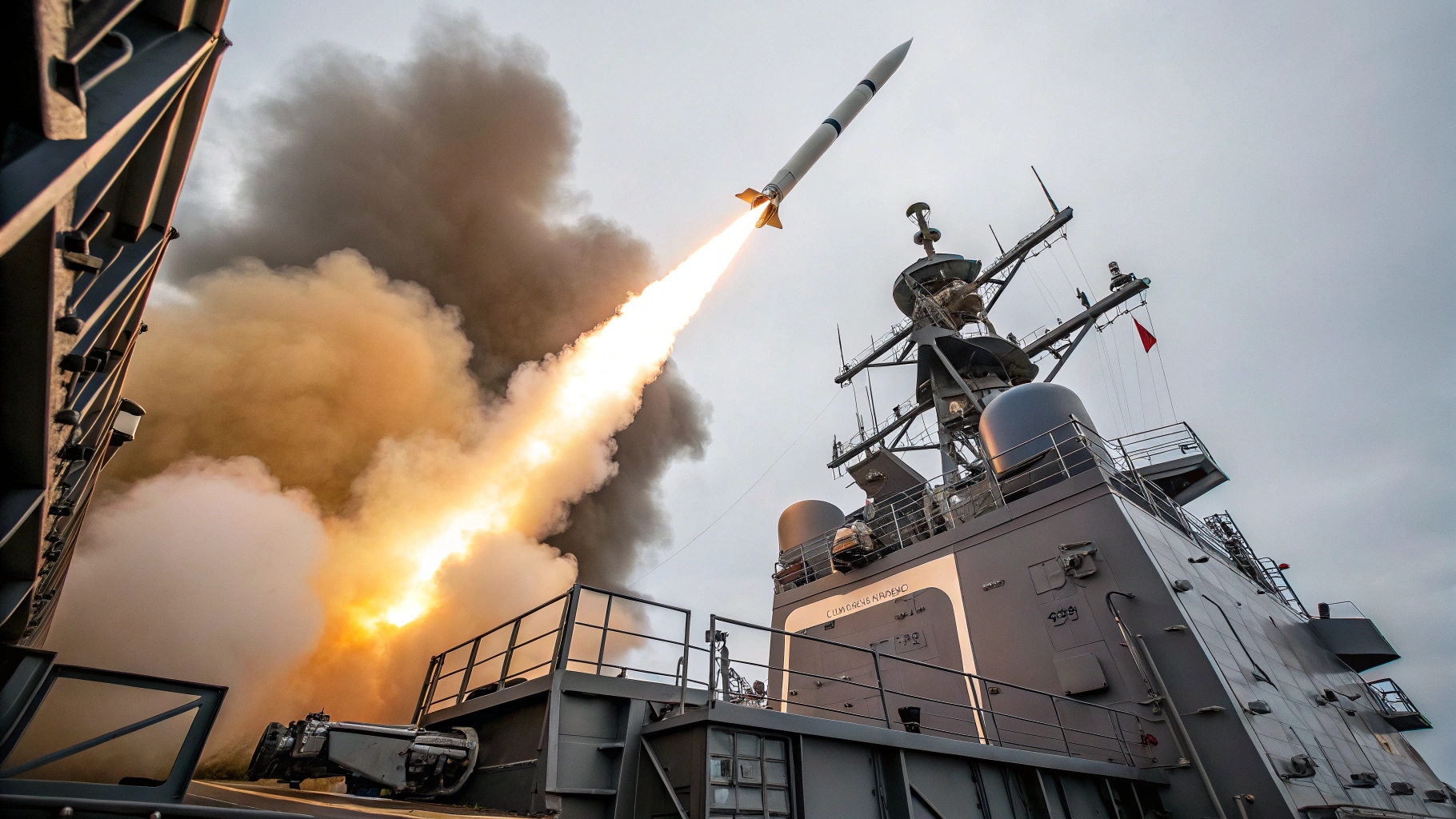
The Atmaca, whose name translates to “hawk” in Turkish, is a long-range precision-guided anti-ship missile developed by Turkish defence manufacturer Roketsan. Development began in 2009, with the programme intended to replace the US-made Boeing RGM-84 Harpoon missiles deployed aboard Turkish Navy frigates and corvettes.
The missile entered service with the Turkish Navy in 2021 and is progressively replacing Harpoon systems across its surface combatant fleet.
Designed for all-weather operational conditions, Atmaca can engage both moving and stationary naval targets, as well as selected land-based targets. Its guidance architecture combines inertial navigation and GPS with barometric and radar altimeters to support accurate navigation and target engagement.
According to Roketsan, the missile carries a 220-kilogram (485-pound) high-explosive blast-fragmentation warhead and offers a maximum operational range of approximately 250 kilometres (155 miles).
The Atmaca family includes ship-launched and submarine-launched configurations. Roketsan has also developed the Kara Atmaca, a ground-launched surface-to-surface variant featuring an extended operational range.
Indonesia became the missile system’s first international export customer with an order for 45 units, followed by Malaysia’s procurement agreement.
Malaysia’s decision to redirect its existing Atmaca order highlights the country’s efforts to address changing procurement requirements while controlling additional acquisition costs. The planned integration will also introduce a new Turkish-developed missile capability into its French-designed LCS fleet, making weapon-system compatibility and combat management integration important considerations for the programme.