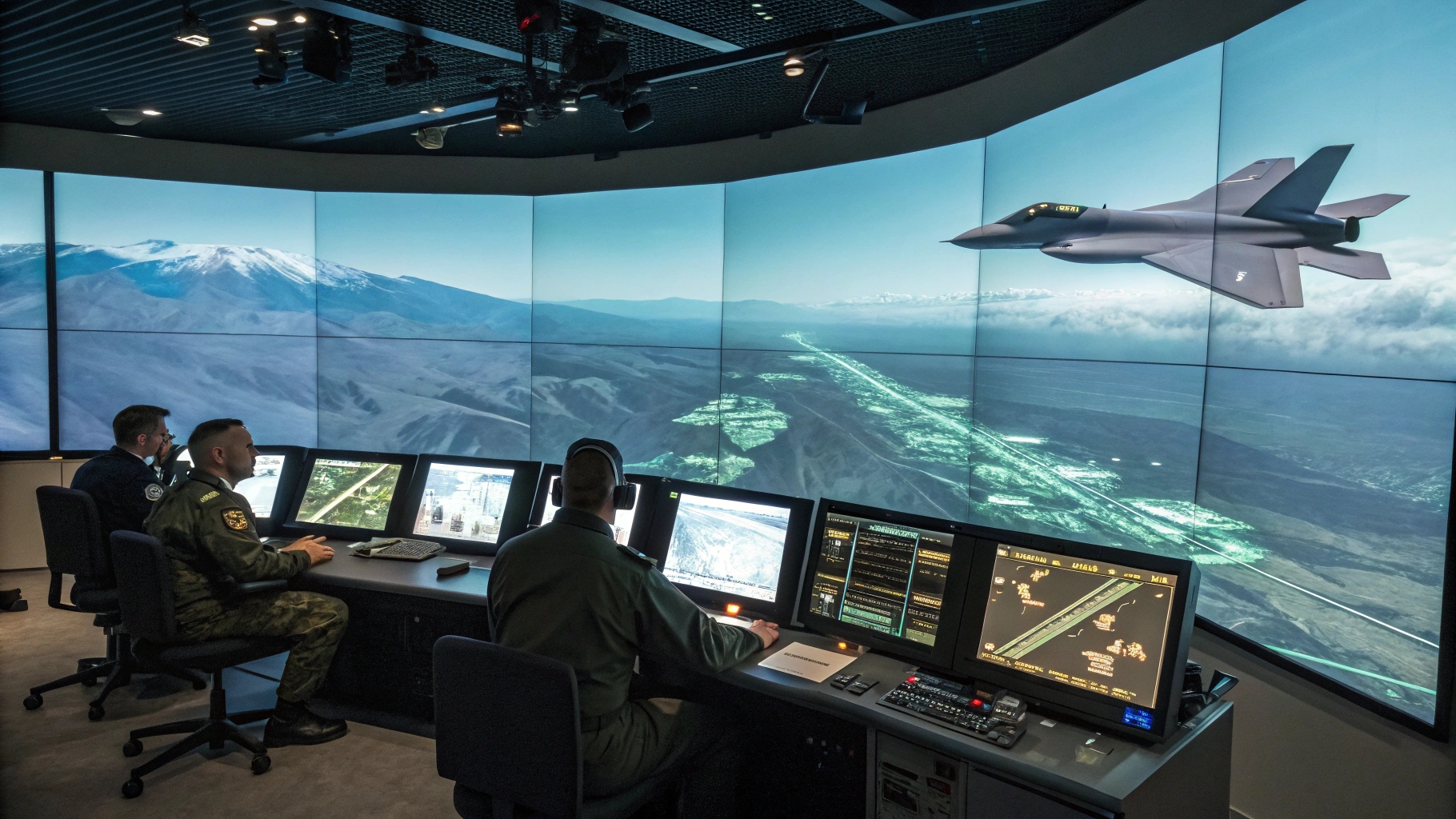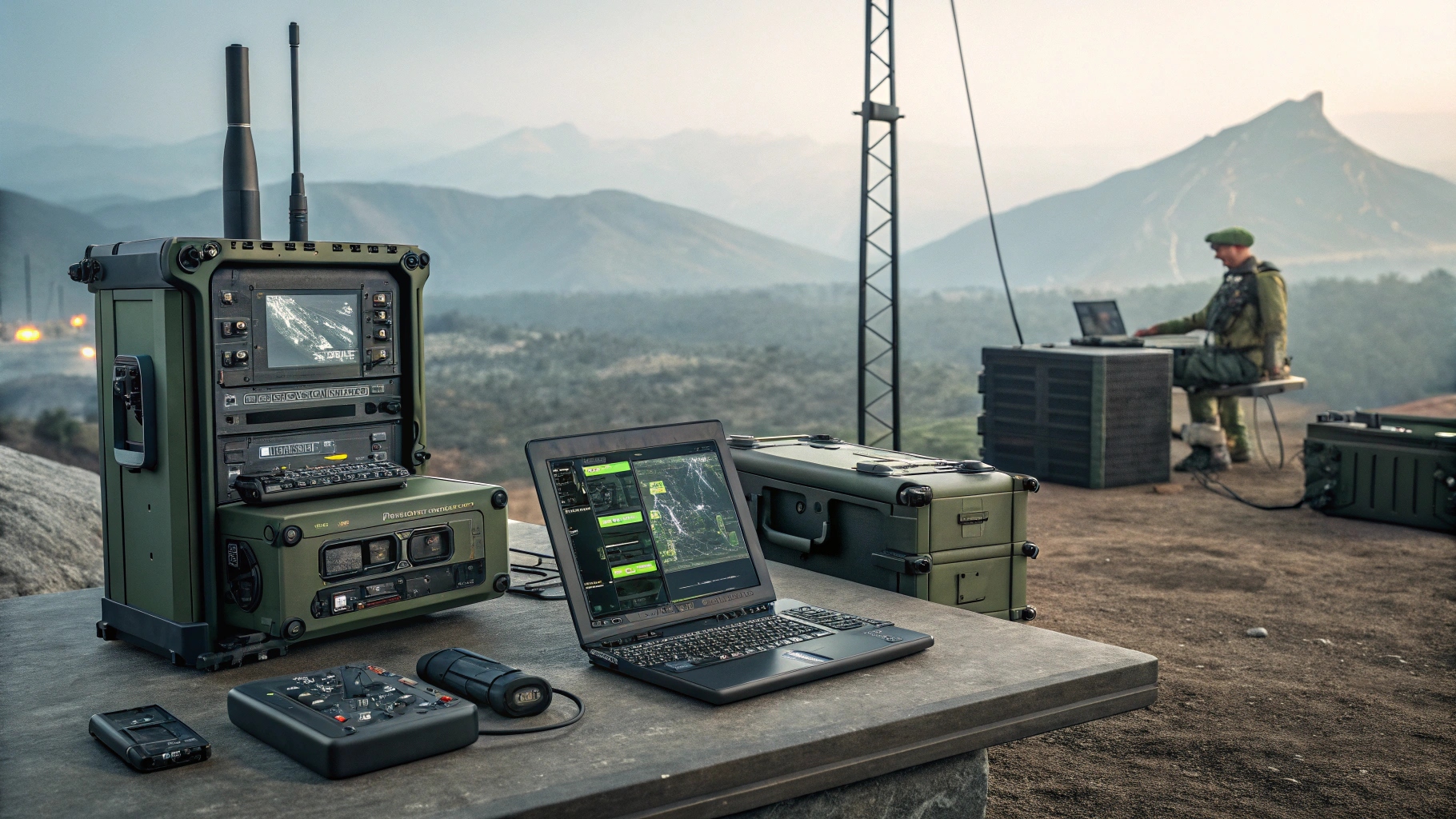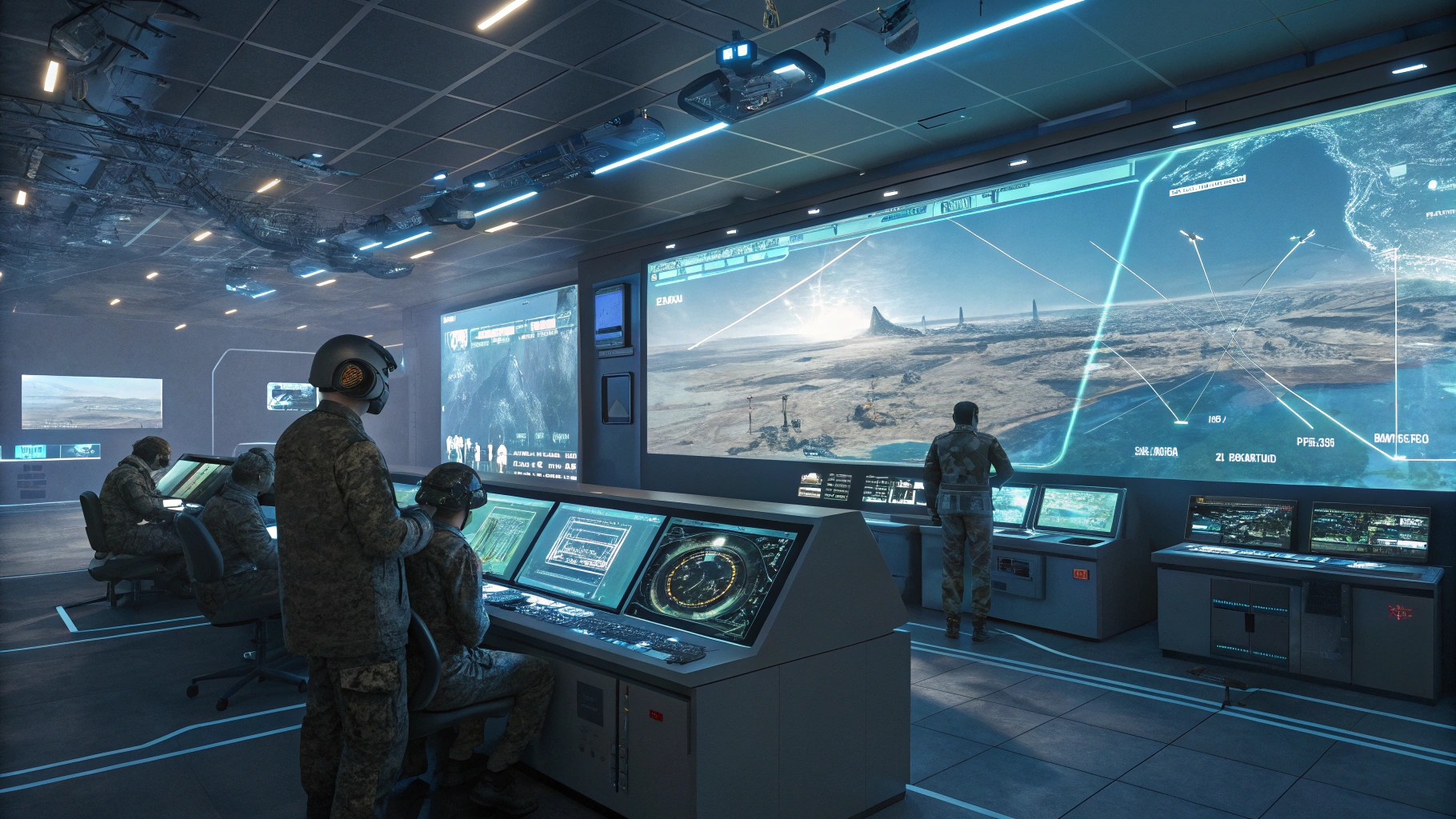

General Atomics Aeronautical Systems Inc. (GA-ASI) and the US Navy have demonstrated advanced mission planning software designed to enable uncrewed aircraft to interpret commanders’ intentions, coordinate with other platforms, and dynamically respond to evolving battlefield threats.
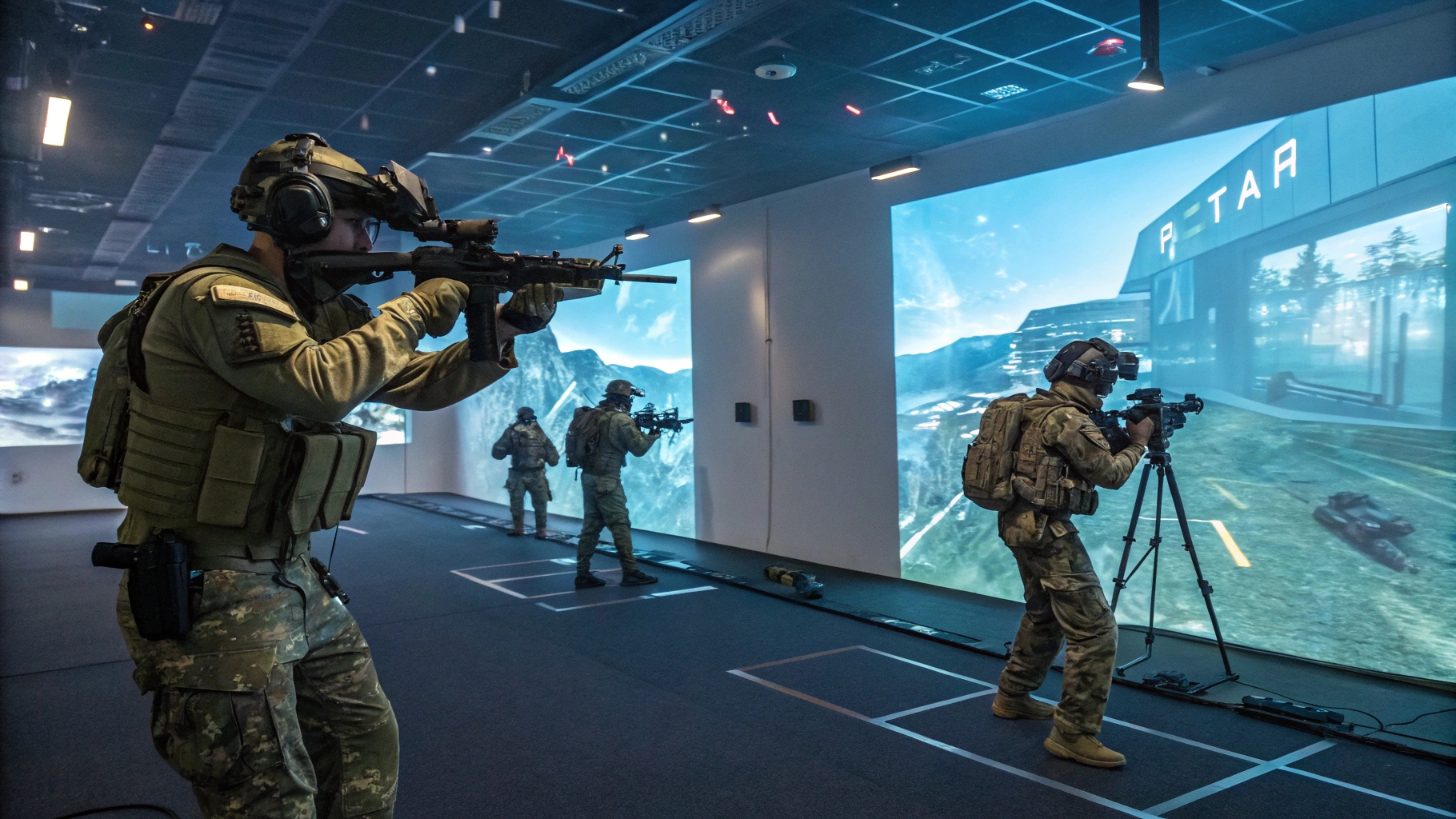
The demonstration featured an MQ-20 Avenger operating from GA-ASI’s Gray Butte facility near Palmdale, California, alongside a mission operations center in Poway. A live, virtual, and constructive (LVC) environment connected the aircraft with simulated platforms and computer-generated participants in a complex combat scenario involving land, air, and maritime threats.
This approach enabled the team to evaluate multi-platform coordination without requiring every aircraft or asset involved in the scenario to operate physically. The demonstration also examined how autonomous decision-making influenced mission timelines and how human operators interacted with the software.
Translating Commander Intent Into Coordinated Missions
The test integrated the US Navy’s existing mission planning system with GA-ASI’s Tactical Autonomy Ecosystem (TacACE), the onboard software responsible for managing autonomous mission activities on the MQ-20 Avenger.
The Navy’s planning system was enhanced with structured information outlining mission objectives, operational constraints, assigned tasks, and potential threats. This information followed the US government’s Autonomy Government Reference Architecture, allowing the autonomy software to interpret mission requirements in a standardized format.
Operators could establish objectives, allocate tasks, prioritize activities, and define coordination rules for participating platforms. TacACE then processed the commander’s intent and determined how to execute the mission within the specified operational boundaries.
According to GA-ASI, the software coordinated crewed and uncrewed assets while dynamically adjusting mission plans in real time as conditions changed within the simulated combat environment.
Advancing Collaborative Autonomy Capabilities
The latest demonstration builds on previous MQ-20 autonomy trials, expanding efforts to integrate US Navy mission planning processes with autonomous systems capable of coordinating multiple participants.
In April, the US Navy and GA-ASI collaborated on the Collaborative Autonomy Mission Planning and Debrief project to develop mission planning and post-mission assessment workflows for uncrewed operations. Planned demonstrations included air patrol missions, threat neutralization scenarios, and connectivity with platforms such as the F/A-18 Super Hornet.
Earlier demonstrations also highlighted the MQ-20’s autonomous engagement capabilities. GA-ASI reported that the aircraft used onboard sensors to track a piloted aircraft, calculate an interception trajectory, and execute a simulated weapons engagement autonomously.
Additional testing assessed the aircraft’s ability to remain within designated operating areas and avoid restricted airspace, demonstrating progress in autonomous navigation, mission execution, and operational safety.
These developments highlight the growing role of collaborative autonomy in military aviation, supporting coordinated crewed-uncrewed operations, adaptive mission planning, and more responsive decision-making in complex combat environments.