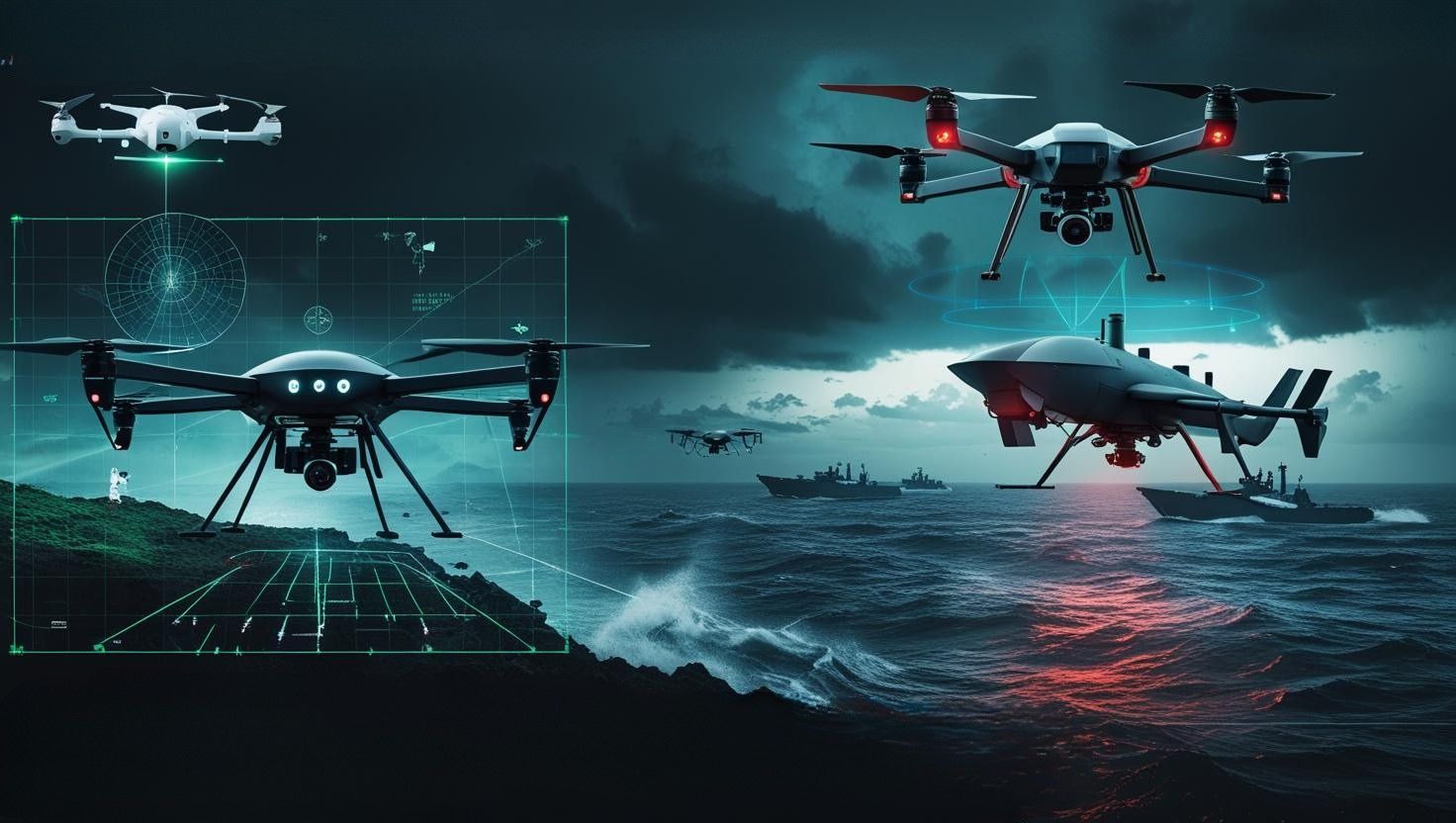

India’s S-400 air defence regiments could face challenges from drone swarms, loitering munitions and saturation attacks, prompting reports that Russia has offered the Pantsir S1M short-range air defence system as a potential close-in protection layer.
The Pantsir S1M combines twin 30mm automatic cannons with 12 surface-to-air missiles and advanced radar and electro-optical sensors. The system is designed to engage a range of low-altitude threats, including small unmanned aerial vehicles (UAVs), cruise missiles and helicopters.
Russia has reportedly offered the Pantsir S1M to India to provide additional protection for S-400 units. Reports indicate that India could consider acquiring approximately 13 systems, with most potentially assigned to protect high-value S-400 batteries.
The S-400 can engage targets at ranges of up to 400km, including aircraft and certain ballistic missile threats. However, using high-value long-range interceptors against relatively inexpensive drones can create an unfavorable cost exchange. The increasing use of drone swarms in modern conflicts has therefore highlighted the importance of complementary short-range and point-defence systems.
Pantsir S1M Adds a Close-In Defence Layer
The Pantsir S1M combines 12 surface-to-air missiles with twin 30mm automatic cannons, allowing it to engage threats across different ranges. Its upgraded radar and electro-optical systems are intended to detect and track small aerial targets, cruise missiles and helicopters, including under challenging environmental conditions.
The cannon armament can provide a lower-cost engagement option against small and relatively inexpensive UAVs, potentially allowing longer-range systems such as the S-400 to preserve their interceptors for more demanding targets.
This layered approach is particularly relevant to the economics of countering drone swarms, where large numbers of relatively low-cost platforms can place pressure on conventional air-defence systems.
India’s Multi-Layered Air Defence Network
India is developing a multi-tiered air-defence architecture incorporating systems with different engagement ranges and capabilities.
At the long-range level, the S-400 provides protection against aircraft and selected ballistic missile threats. Medium-range systems such as Akash and MRSAM provide additional coverage against aerial threats, while Project Kusha is intended to further expand India’s indigenous long-range air-defence capabilities.
At the tactical level, VSHORAD systems and man-portable air-defence systems provide frontline forces with the ability to counter low-altitude threats. If acquired, the Pantsir S1M could potentially occupy an additional close-in layer around critical air-defence assets.
Integration with India’s Integrated Air Command and Control System (IACCS) could further support this architecture. The network connects information from ground-based radars, airborne early-warning platforms such as Netra and Phalcon, and other sensors to generate a broader operational air picture.
Such integration allows commanders to match available weapons to specific threats, potentially reserving S-400 interceptors for higher-value or longer-range targets while using short-range systems and counter-UAS capabilities against smaller threats and saturation attacks.
Focus on Cost-Effective Counter-Drone Defence
The potential introduction of Pantsir S1M would also reflect the growing emphasis on layered air defence and the need to address the cost imbalance between inexpensive drones and high-end interceptors.
However, the system would represent only one element of a broader counter-UAS architecture. India is also pursuing indigenous technologies involving electronic warfare, directed-energy weapons, sensors, artificial intelligence and other counter-drone capabilities.
The combination of imported and domestically developed systems could allow India to build a more diversified air-defence network capable of addressing threats across different ranges, costs and levels of complexity.