
The US Air Force has awarded Anduril a contract to develop a containerized launcher system for ground-launched counter-air missiles, supporting efforts to strengthen affordable ground-based air defence capabilities.
The launcher will be developed under the service’s Counter-Air Missile Program (CAMP), which aims to introduce cost-effective weapons capable of engaging hostile aircraft from ground-based positions.
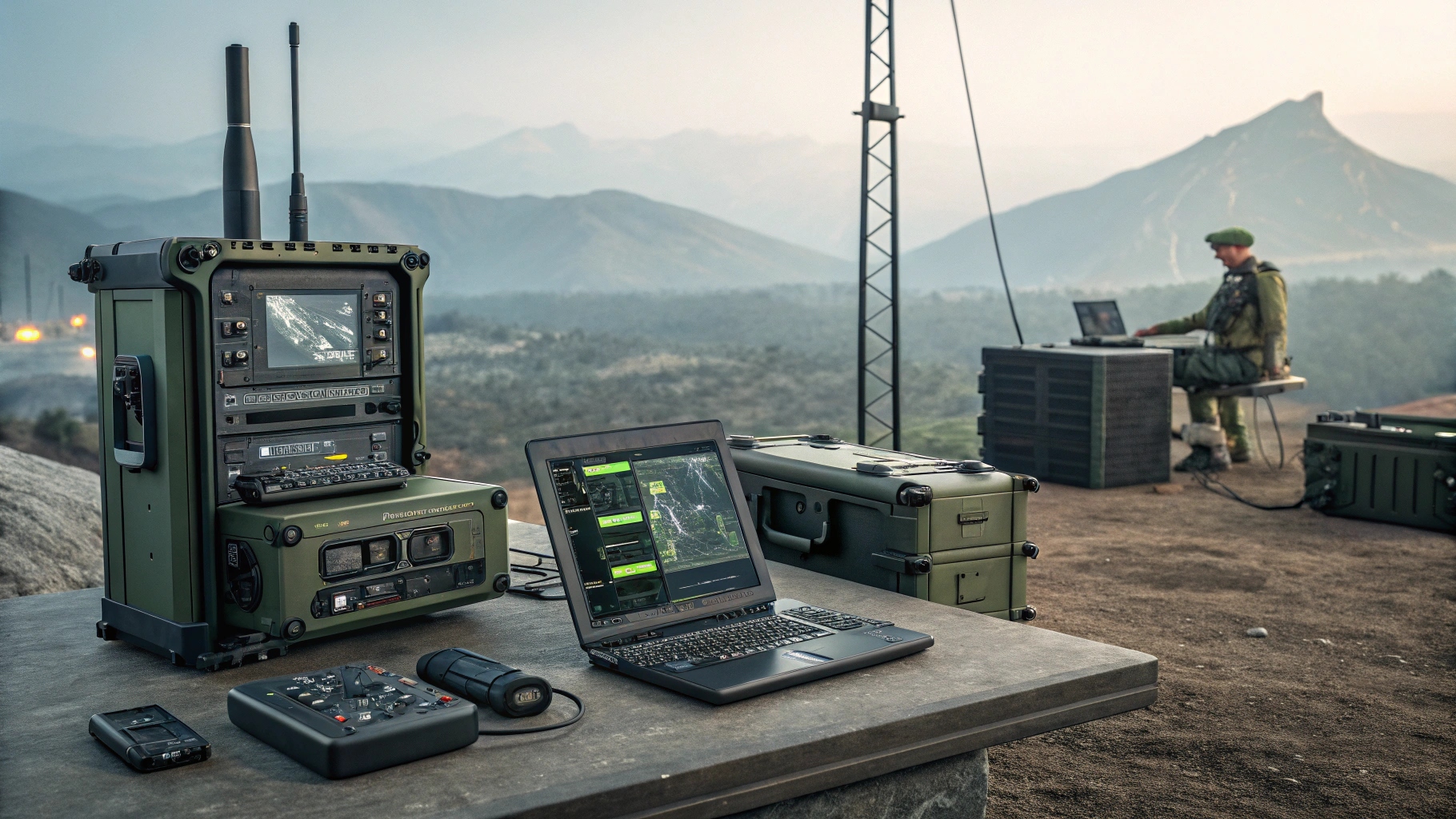
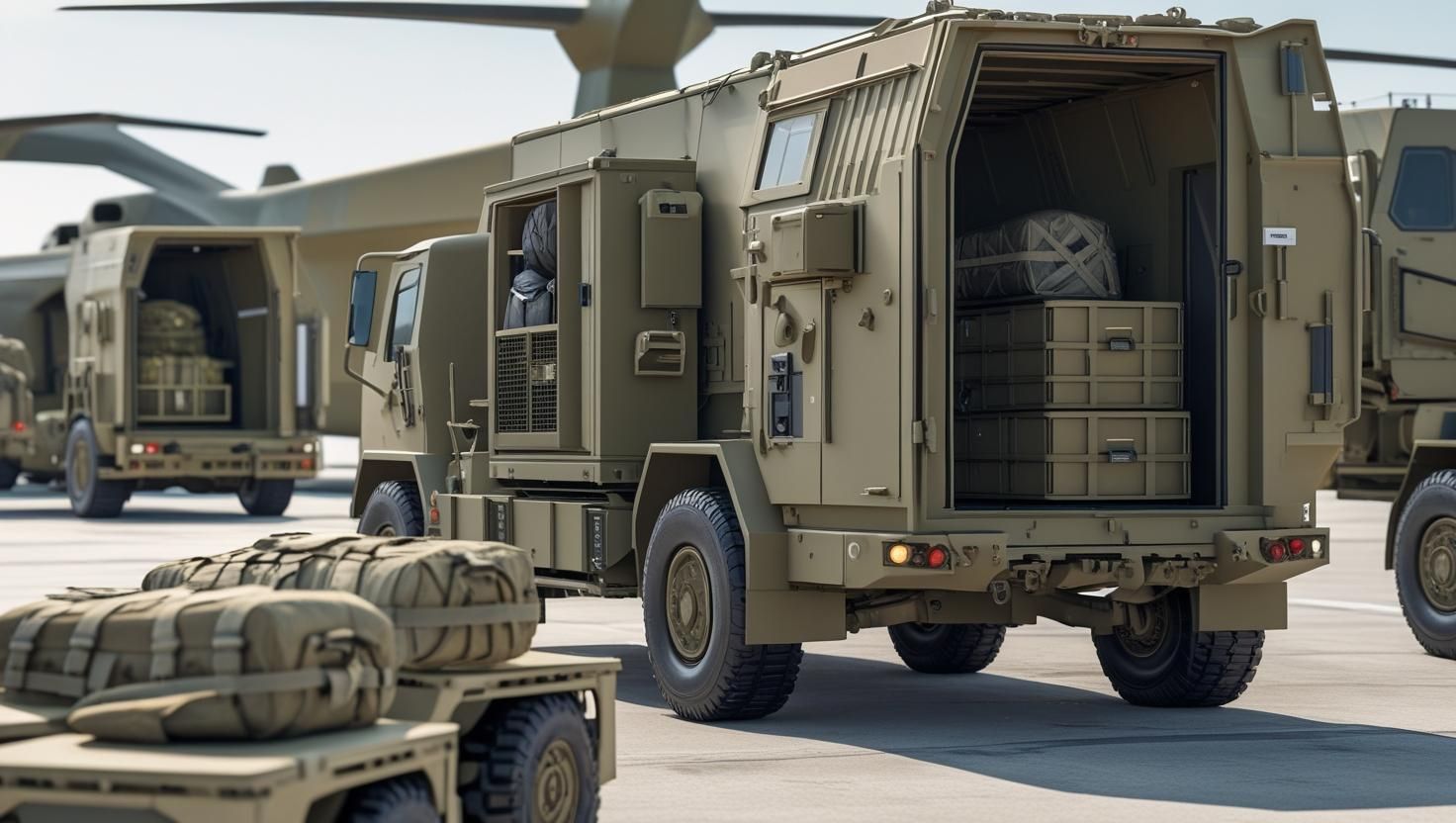
According to Anduril, the launcher is designed to operate at geographically dispersed locations for extended periods while requiring minimal personnel. Its architecture will leverage the company’s Menace-I computing system, a ruggedised shelter integrating power, cooling, computing and communications infrastructure.
The initial 10-month contract phase will focus on preliminary design activities and preparations for integrating and testing the launcher with missiles developed by other manufacturers. The development effort will also address key manufacturing requirements, including component selection, assembly processes, supply chain planning and testing procedures.
US Advances Development of Affordable Counter-Air Missiles
The CAMP initiative seeks to expand the availability of ground-launched weapons capable of countering enemy aircraft while reducing development and manufacturing costs. The programme prioritises modular architectures and the use of existing technologies to accelerate development timelines and simplify production.
A related initiative, the Ground Launched Counter Air programme, aims to develop a prototype supersonic missile alongside a standardised containerized launcher. The US Air Force’s solicitation emphasises an affordable, digitally enabled and modular solution capable of incorporating commercially available or minimally modified components.
The broader objective is to increase the production and availability of counter-air weapons without depending on expensive and complex systems that are challenging to manufacture at scale.
Anduril’s contract focuses on developing the launcher component of this capability, with a flexible platform designed to accommodate missiles produced by multiple manufacturers. This approach could support greater interoperability, simplify future integration and provide the US Air Force with more scalable ground-based counter-air capabilities.