
China appears to be conducting one of its largest air force exercises in recent years, with satellite imagery revealing the deployment of nearly 300 aircraft across multiple airbases in the country’s western desert region.
An assessment by the Mitchell Institute for Aerospace Studies indicates that the extensive military buildup is likely associated with the Red Sword 2026 exercise. The total number of participating aircraft could exceed 300 when platforms positioned inside aircraft shelters are included.
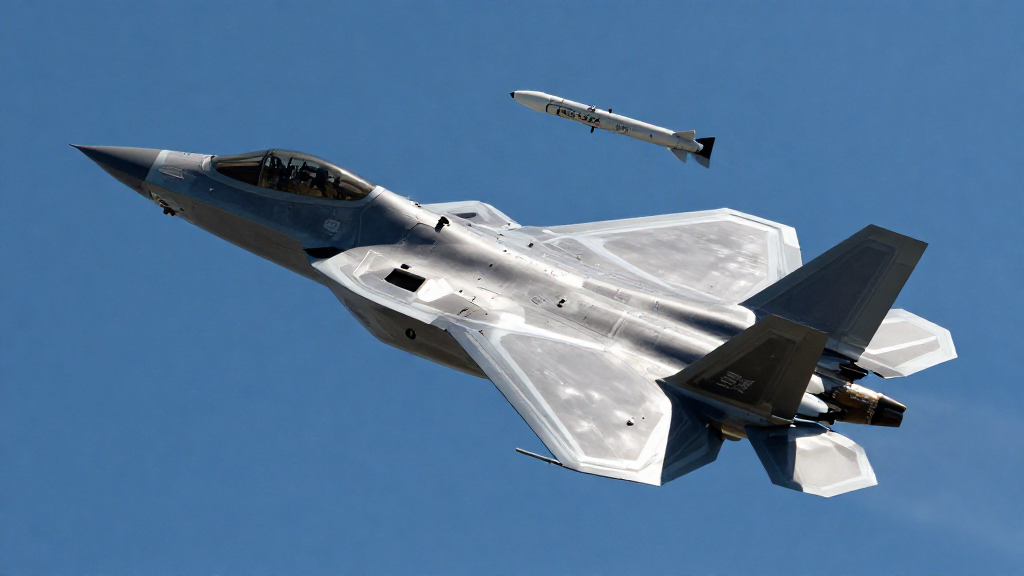
The deployment reportedly covers 11 airbases and involves a diverse combination of combat, transport and support aircraft. Observed platforms include J-20 stealth fighters, J-16 and J-10 multirole fighters, H-6 bombers, Y-20 transport aircraft, aerial refuelling tankers and specialised mission platforms. The composition highlights China’s focus on rehearsing integrated air operations supported by a comprehensive logistics and support network.
According to the assessment, the buildup began in mid-October, with Y-20 transport aircraft and aerial refuelling tankers arriving around 17–18 October. These were subsequently followed by additional fighter aircraft, bombers and specialised support platforms. Analysts consider the scale of the mobilisation particularly significant compared with previous suspected Red Sword exercises.
Satellite imagery examined by the institute identified approximately 300 aircraft positioned on airfield ramps, significantly above the normal concentration of around 80–100 aircraft across the same locations. Although not every observed aircraft may be directly involved in the exercise, the deployment represents a substantial concentration of Chinese air power.
Red Sword is intended to evaluate the People’s Liberation Army Air Force’s (PLAAF) ability to coordinate different aircraft types within an integrated combat environment. The exercise provides an opportunity to practise joint operations involving stealth fighters, conventional combat aircraft, bombers, refuelling tankers and supporting platforms across an extensive operational area.
The mobilisation also reflects the continued modernisation of China’s air force. While advanced platforms such as the J-20 receive considerable attention, the participation of transport aircraft, aerial refuelling tankers and specialised mission platforms demonstrates a broader emphasis on extending operational reach, endurance and force projection capabilities.
Deploying large numbers of aircraft away from their permanent bases also creates significant logistical and maintenance requirements. Sustained operations depend on adequate personnel, spare parts, fuel supplies, ground-support equipment and maintenance infrastructure. The exercise therefore provides an opportunity to practise the challenges associated with maintaining combat readiness across geographically dispersed airbases.
Aerial refuelling is another important element of the deployment. Although satellite imagery cannot establish the precise missions being conducted, the presence of tanker aircraft indicates an emphasis on extending aircraft endurance and providing commanders with greater operational flexibility during extended missions.
The Mitchell Institute also highlighted similarities with previous suspected Red Sword exercises, which reportedly involved operations lasting several weeks across hundreds of nautical miles before participating forces eventually consolidated at Dingxin Air Base. A comparable approach in 2026 would provide participating units with experience operating from unfamiliar airfields and sustaining prolonged operational activity.
However, satellite imagery alone cannot establish the exercise’s operational effectiveness. It does not provide sufficient information to determine sortie generation rates, mission success or the overall performance of participating aircraft and personnel.
For the United States and its regional allies, the deployment highlights China’s increasing emphasis on developing the ability to coordinate and sustain large-scale air operations. Modern airpower increasingly depends not only on individual aircraft capabilities but also on the effective integration of fighters, bombers, tankers and supporting assets throughout an extended military campaign.
These developments carry particular significance for potential Indo-Pacific contingencies. An air force capable of sustaining coordinated operations over extended periods could place additional pressure on US and allied military infrastructure, increasing the importance of resilient airfields, secure communications, fuel availability, maintenance facilities and supporting aircraft.
The exercise also reinforces the relevance of the US Air Force’s Agile Combat Employment (ACE) concept, which seeks to improve operational survivability by distributing aircraft across multiple locations rather than concentrating them at a limited number of major airbases. Nevertheless, dispersed operations introduce additional logistical challenges, requiring each operating location to maintain adequate protection, communications, supplies and maintenance capabilities.
Despite the considerable scale of the deployment, the available evidence does not establish how effectively Chinese forces would perform under actual combat conditions. Satellite imagery cannot demonstrate their ability to operate amid electronic warfare threats, contested maritime environments or sustained combat losses. It also does not confirm direct naval participation or establish a specific Taiwan-related operational scenario.
Ultimately, the significance of Red Sword 2026 extends beyond the number of aircraft assembled. The reported mobilisation indicates China’s growing emphasis on rehearsing the integration, coordination and logistical sustainment required for large-scale air campaigns.
As China’s military modernisation continues, force integration, logistical resilience and operational endurance are emerging as increasingly important factors in assessing the capabilities and strategic implications of its expanding air power.