
India’s Advanced Medium Combat Aircraft (AMCA) programme has reached a significant milestone, with three private-sector contenders submitting proposals for the development and construction of prototypes for the country’s next-generation stealth fighter. The government-funded initiative, estimated at approximately ₹15,000 crore, represents a major step towards advancing India’s indigenous fifth-generation combat aviation capabilities and expanding private-sector participation in defence manufacturing.
The bids have been submitted to the Aeronautical Development Agency (ADA), the organisation responsible for overseeing the AMCA development programme. With the submission process completed, the competition has entered a critical procurement phase, during which the government will assess the proposals before selecting an industrial partner for prototype development.
The competing participants include Tata Advanced Systems Limited (TASL), a Larsen & Toubro (L&T)-led consortium in partnership with Bharat Electronics Limited (BEL), and a Bharat Forge-led consortium involving Bharat Earth Movers Limited (BEML). The final bid documentation and subsequent Ministry of Defence announcements will establish the confirmed composition of the participating groups and their respective contractual responsibilities.
The successful bidder will work alongside ADA, operating under the Defence Research and Development Organisation (DRDO), to manufacture five AMCA prototypes. The development and assembly activities are expected to be supported by a dedicated aerospace facility being established near Puttaparthi in Andhra Pradesh. The proposed infrastructure will accommodate aircraft manufacturing, systems integration, prototype assembly and testing requirements.
The competition marks an important transformation in India’s military aircraft development framework. Traditionally, Hindustan Aeronautics Limited (HAL) has played a dominant role in indigenous fighter aircraft manufacturing. However, the decision to open the AMCA prototype development contract to competitive bidding among private-sector companies reflects the government’s broader strategy of creating a more diversified defence industrial ecosystem.
Under the proposed development structure, ADA will retain responsibility for aircraft design, engineering and technological development, while the selected industrial partner will undertake the manufacturing and prototype construction responsibilities. This collaborative approach is expected to combine government-led research capabilities with private-sector manufacturing expertise, encouraging greater investment in advanced aerospace technologies.
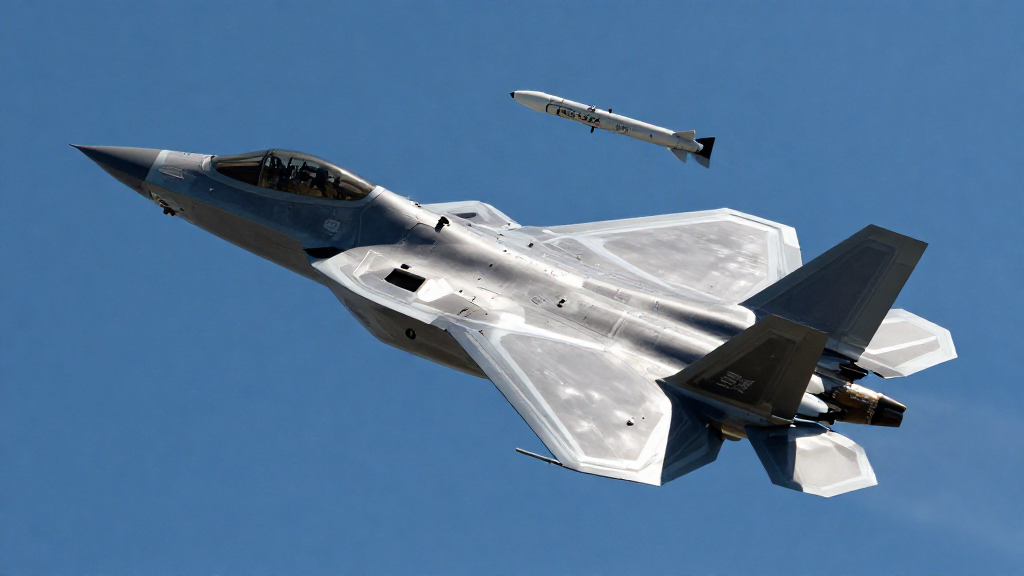
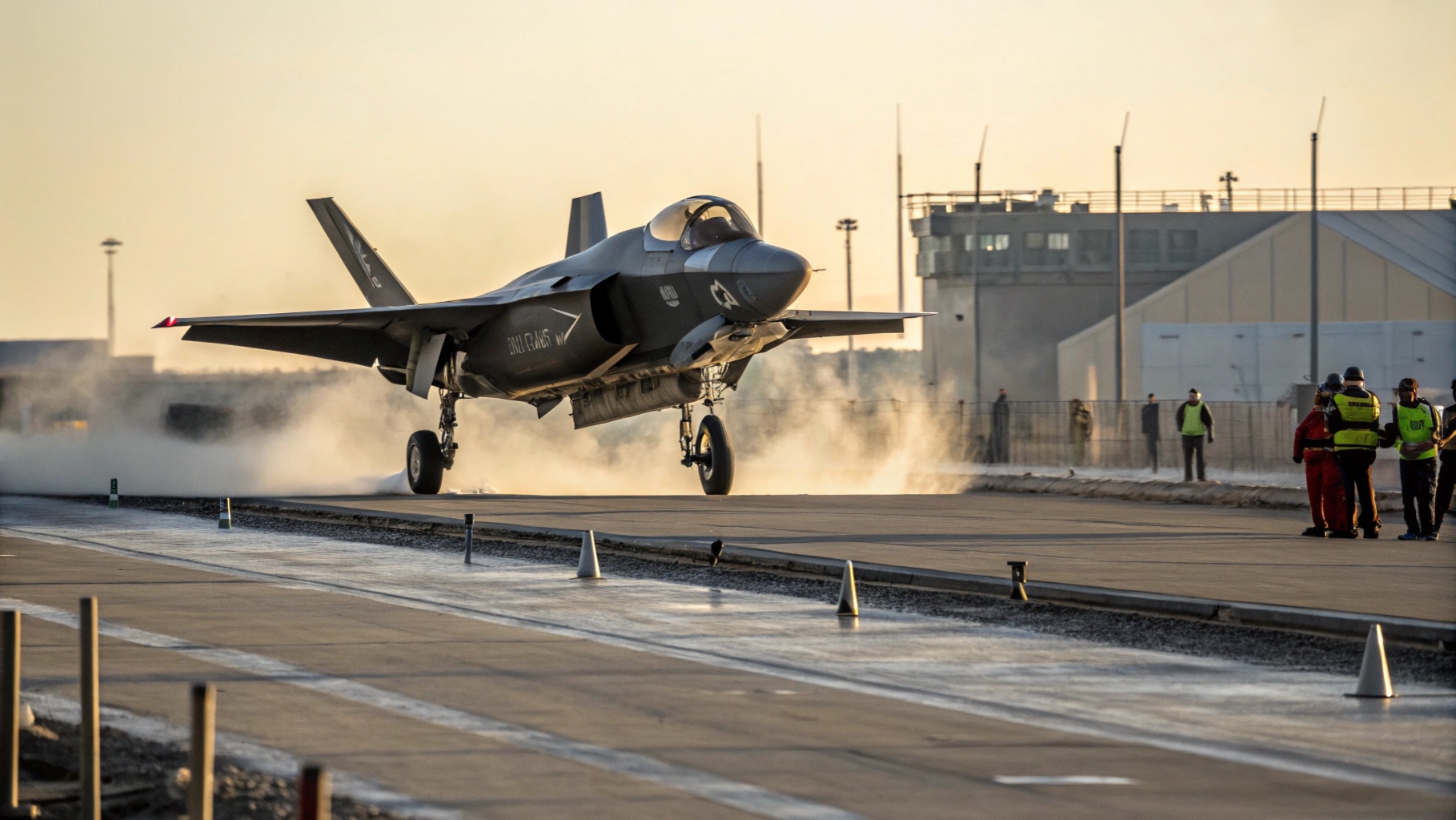
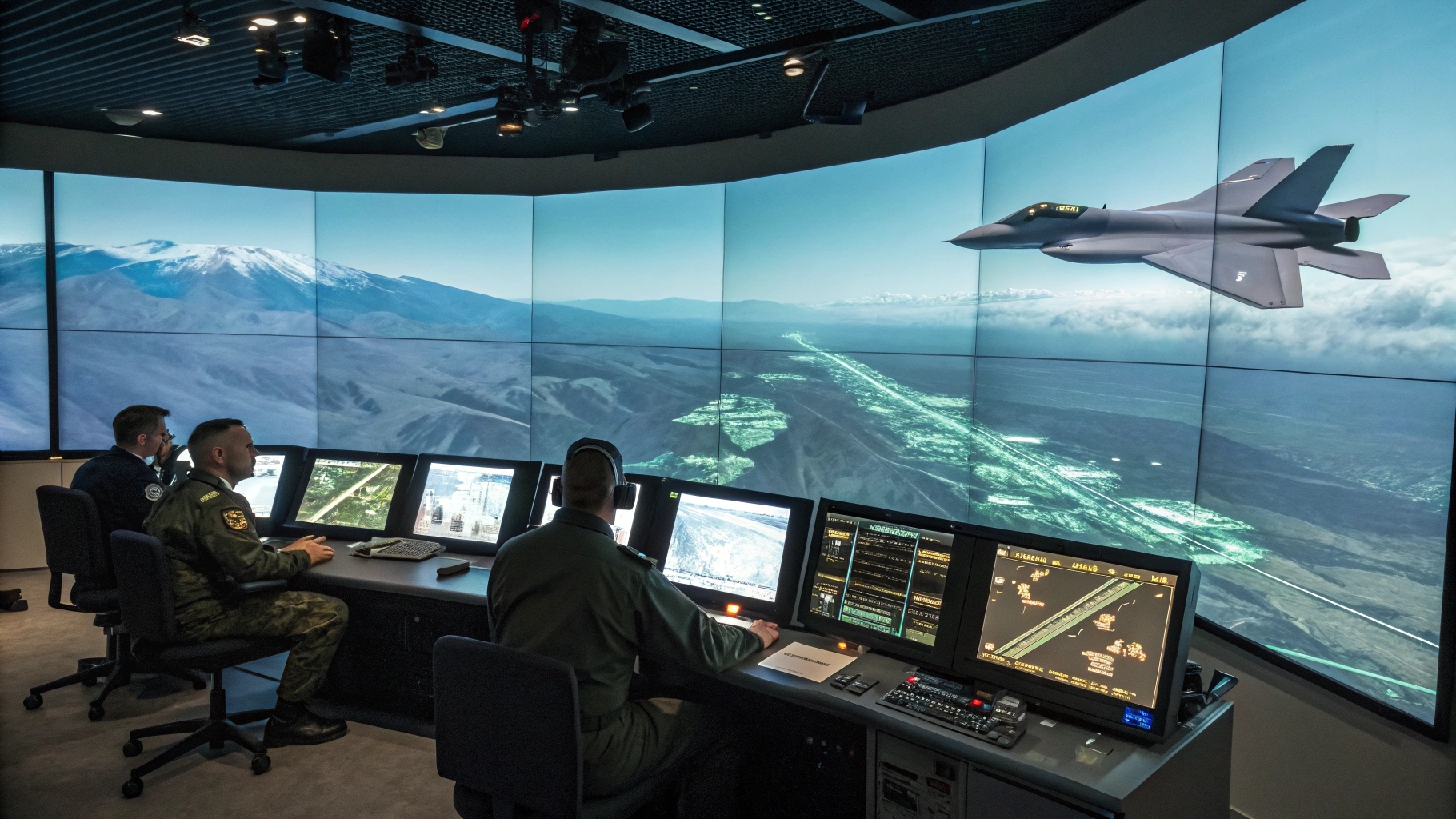
AMCA is being developed as a twin-engine, fifth-generation multirole fighter for the Indian Air Force (IAF). The aircraft is designed to incorporate advanced stealth characteristics, internal weapons bays, sophisticated sensor suites and network-centric warfare capabilities. Additional technological objectives include integrated sensor fusion, advanced electronic warfare systems and next-generation avionics to improve survivability and operational effectiveness in highly contested environments.
The initial production configuration is expected to use General Electric F414 engines, while subsequent variants are planned to incorporate a more powerful propulsion system developed through an international collaboration. The longer-term objective is to strengthen India’s domestic capabilities in advanced fighter engine technology and reduce dependence on foreign propulsion solutions. These configurations remain developmental objectives and will require further engineering validation and integration.
A major priority for the programme is translating the existing aircraft design into flight-capable prototypes. This will involve extensive coordination across airframe engineering, propulsion integration, avionics, mission computers, weapons systems, software development and flight-testing infrastructure. Each subsystem must undergo rigorous validation to ensure compatibility, reliability and performance under demanding operational conditions.
Prototype construction is only the beginning of a much broader development process. Following assembly, the aircraft will need to undergo structural assessments, ground testing, systems integration trials and an extensive flight-test campaign. These activities will be essential for evaluating aerodynamic performance, propulsion reliability, stealth characteristics, weapons integration and overall aircraft safety before certification and eventual production decisions.
The current procurement process follows the Ministry of Defence’s issuance of a Request for Proposal (RFP) to the three shortlisted participants in May 2026. The subsequent stages are expected to include detailed technical evaluations, commercial assessments, identification of the preferred development partner and final contract negotiations.
Regarding programme timelines, reports have indicated a government target of achieving the first AMCA prototype flight during 2028–29, although some broader industry projections suggest that prototype flights could extend into the early 2030s. The actual schedule will depend on the completion of contractor selection, manufacturing readiness, technology integration and the progress of development activities.
For the Indian Air Force, the AMCA is expected to become a cornerstone of its future combat aviation strategy. The aircraft is intended to provide an indigenous fifth-generation fighter capability, strengthen operational preparedness and reduce long-term reliance on imported combat aircraft. Its eventual induction would also represent an important advancement in India’s ability to design, manufacture and sustain sophisticated military aviation platforms.
For the participating private-sector companies, the ₹15,000 crore opportunity offers a strategic entry into advanced fighter aircraft manufacturing and the potential to develop specialised capabilities in precision engineering, aerospace structures, avionics integration and complex defence systems. The programme could also create significant opportunities for domestic MSMEs and component manufacturers to participate in the wider aerospace supply chain.
Ultimately, the success of the AMCA programme will depend on effective coordination between the selected industrial partner, ADA and DRDO, alongside strong government oversight and realistic development milestones. The selection of the prototype development partner is therefore more than a procurement decision; it represents a defining step in India’s ambition to establish a globally competitive indigenous military aviation industry.