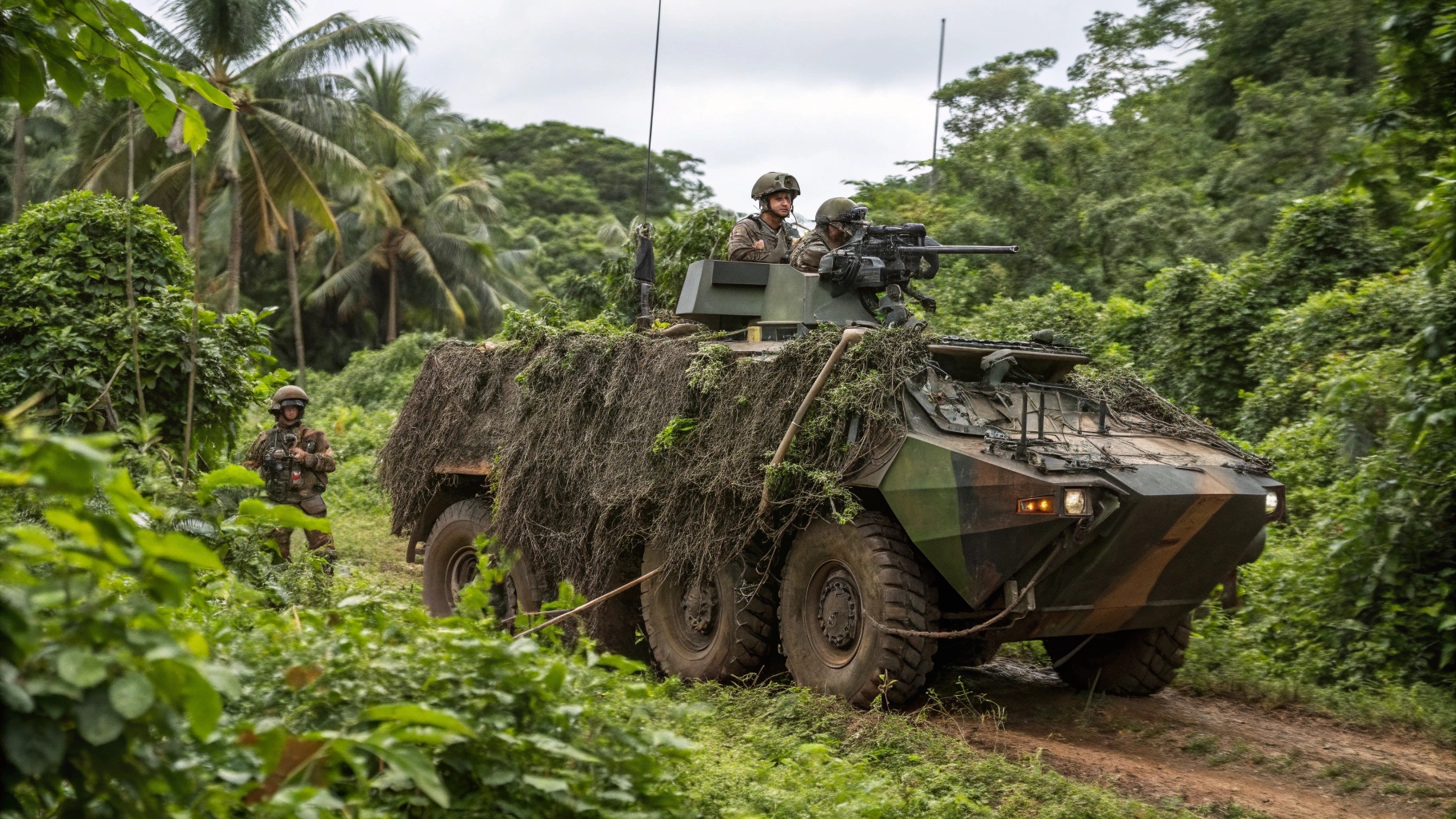
The US Marine Corps is moving to integrate Anduril’s Pulsar-Lite (Pulsar-L) electronic warfare system into its Amphibious Combat Vehicle (ACV) fleet to strengthen its ability to counter unmanned aerial threats.
Earlier this month, the service awarded Anduril a $15.7 million sole-source contract for an undisclosed number of Pulsar-L systems intended for installation on its wheeled ACVs.
Unveiled in April 2025, the Pulsar-L was identified by the Marine Corps as the only available solution capable of meeting its urgent counter-drone requirements while remaining within the ACV’s space, weight, and power constraints.
Pulsar-L Electronic Warfare System
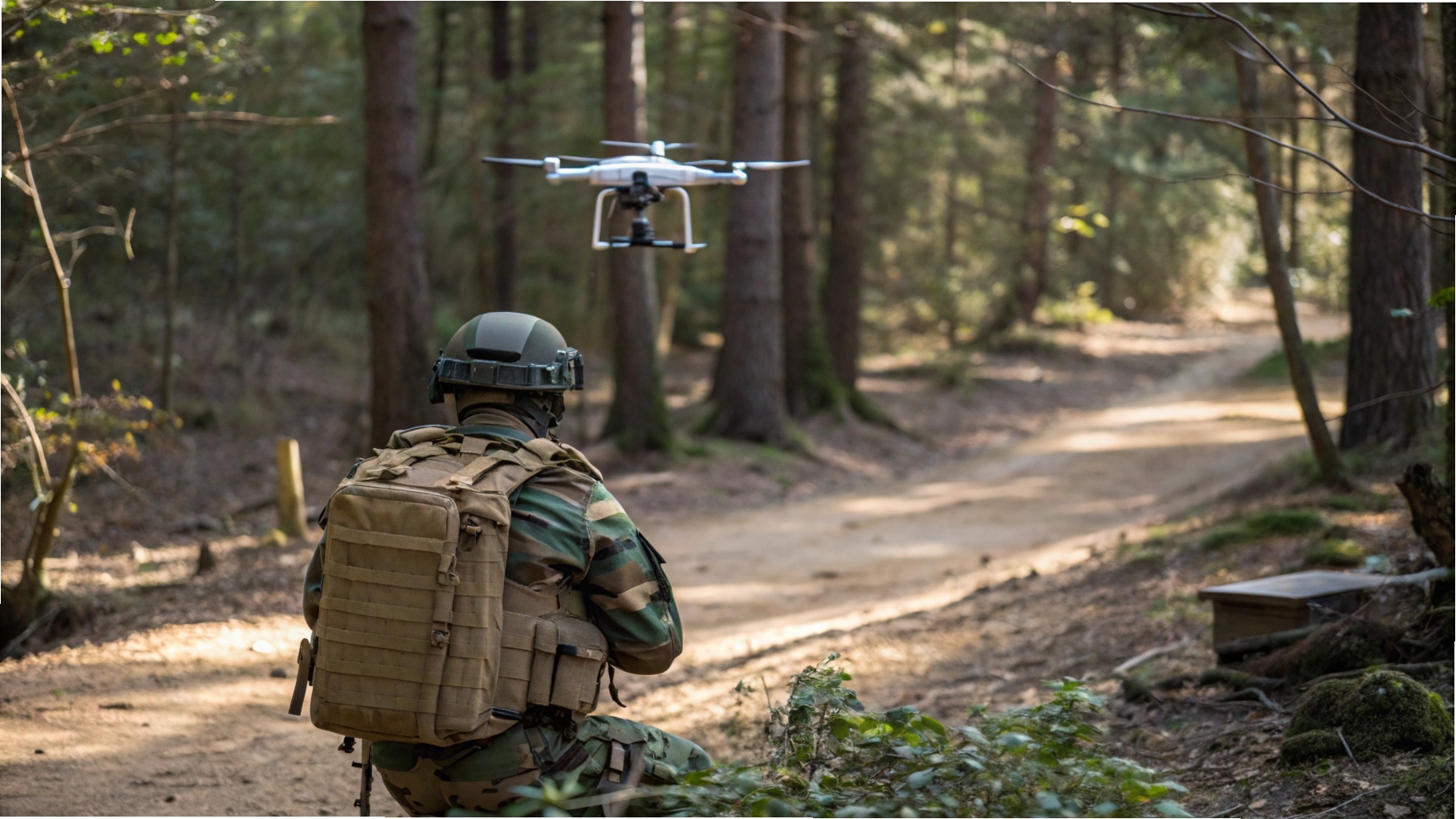
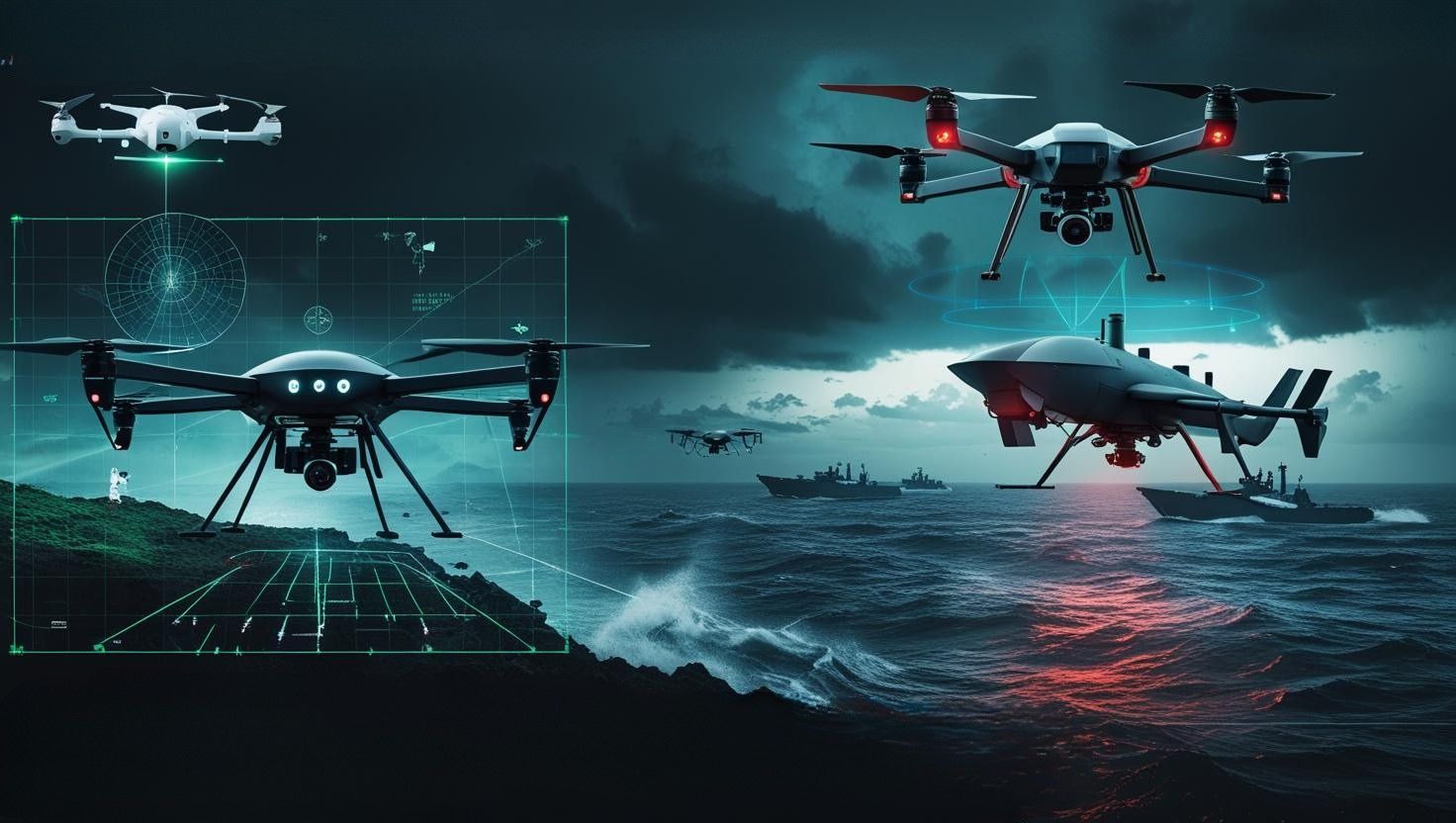
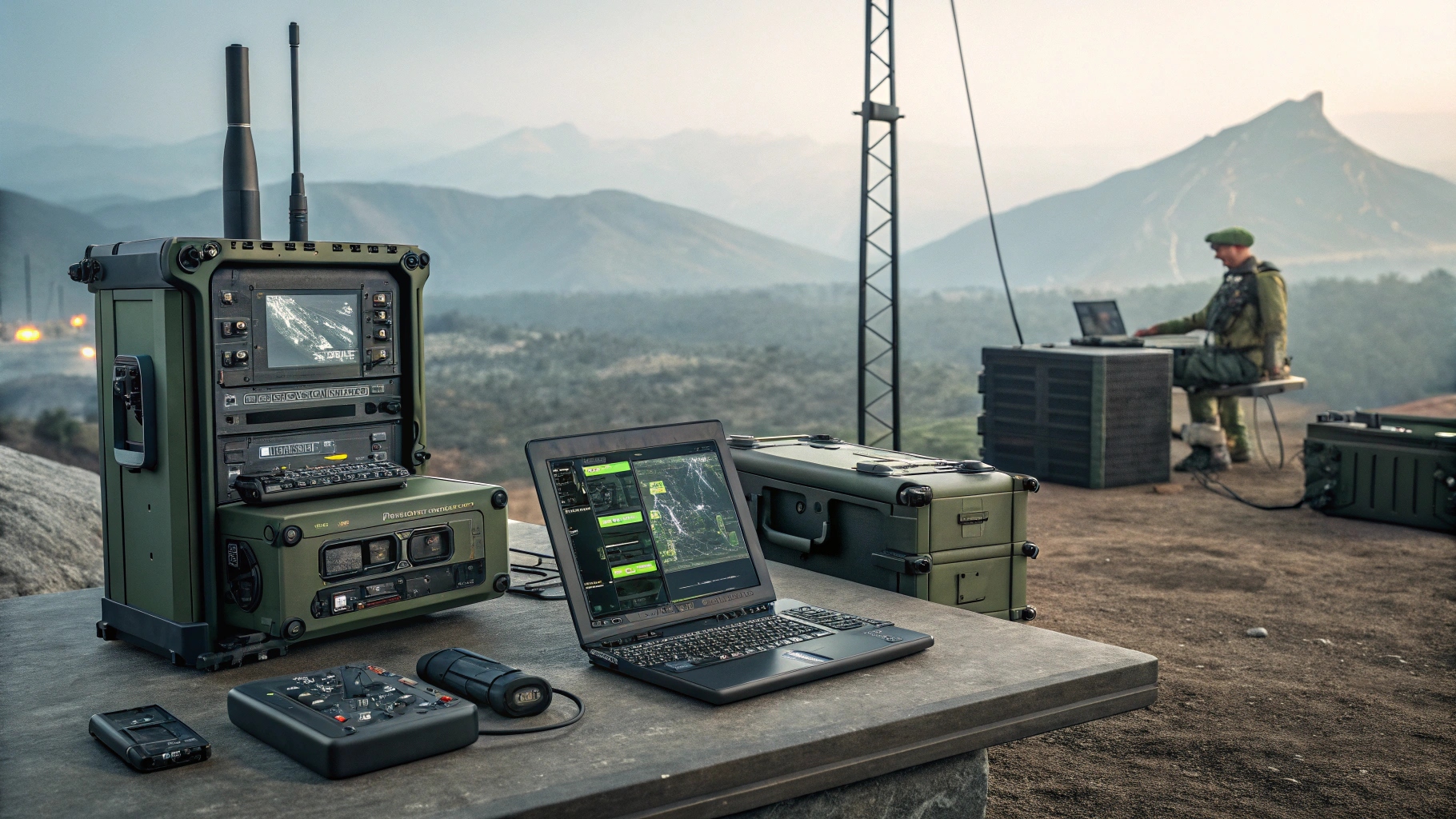
The Pulsar-L is designed to detect, track, identify, and defeat radio-frequency-dependent Group 1 and Group 2 unmanned aerial systems (UAS).
Operating autonomously, the system can connect with multiple electronic warfare platforms to coordinate effects and geolocate electronic signals. Its adaptive capabilities are designed to respond to evolving threats through machine learning without requiring regular vendor updates, according to the Marine Corps.
The service also noted that Pulsar-L is already operational with the US Special Operations Command, providing an existing deployment base for the technology.
ACV Fleet Modernisation
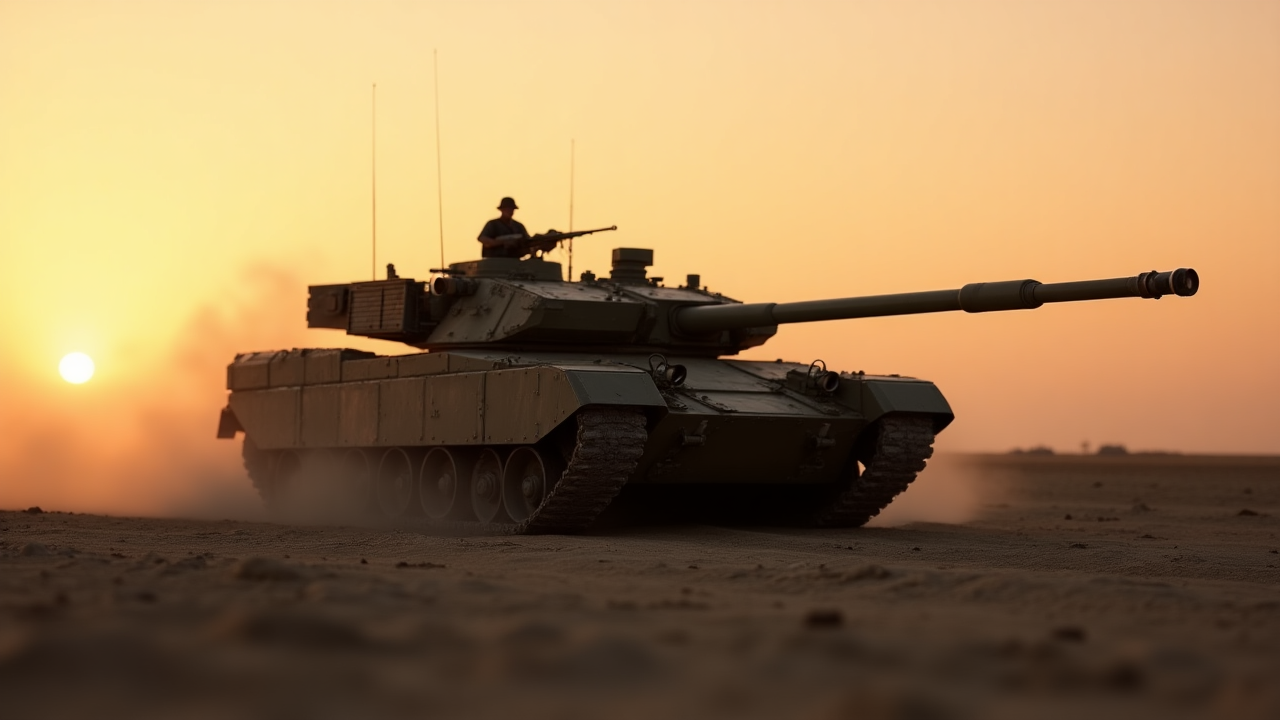
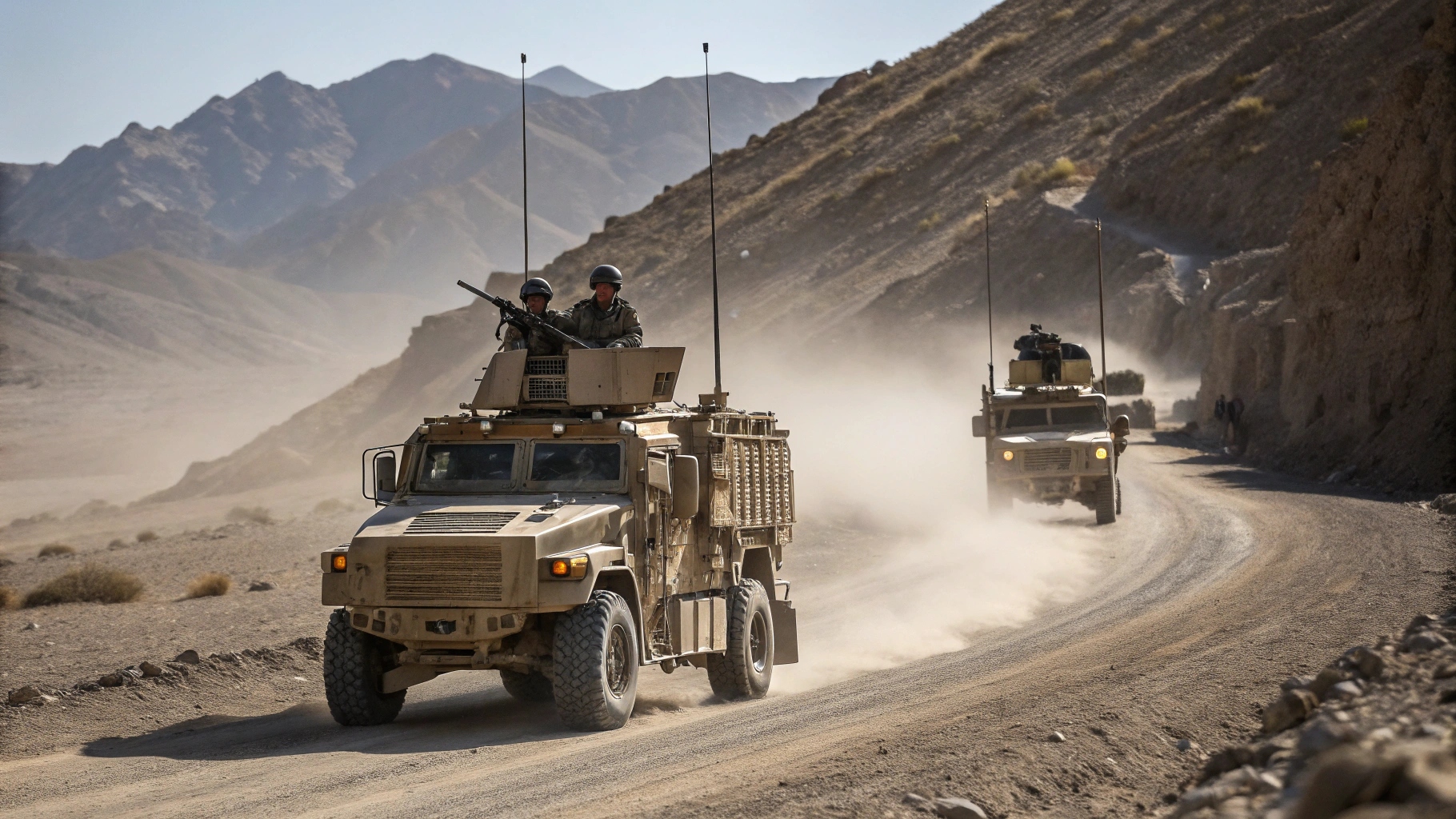
Developed by BAE Systems in partnership with Iveco, the Marine Corps’ Amphibious Combat Vehicle is replacing the retired tracked Assault Amphibious Vehicle (AAV). The platform supports a range of missions, including infantry transport, supporting fires, and operations in littoral environments.
The ACV family comprises several variants designed for different operational roles:
ACV-P: Personnel carrier.
ACV-C: Command-and-control vehicle.
ACV-R: Recovery vehicle.
ACV-30: Fire-support variant equipped with a stabilised 30 mm cannon.
Integrating Pulsar-L into the ACV fleet is intended to add electronic warfare and counter-drone capabilities to the platform, enhancing protection for embarked personnel and supporting operations in increasingly complex environments where unmanned aerial threats are prevalent.