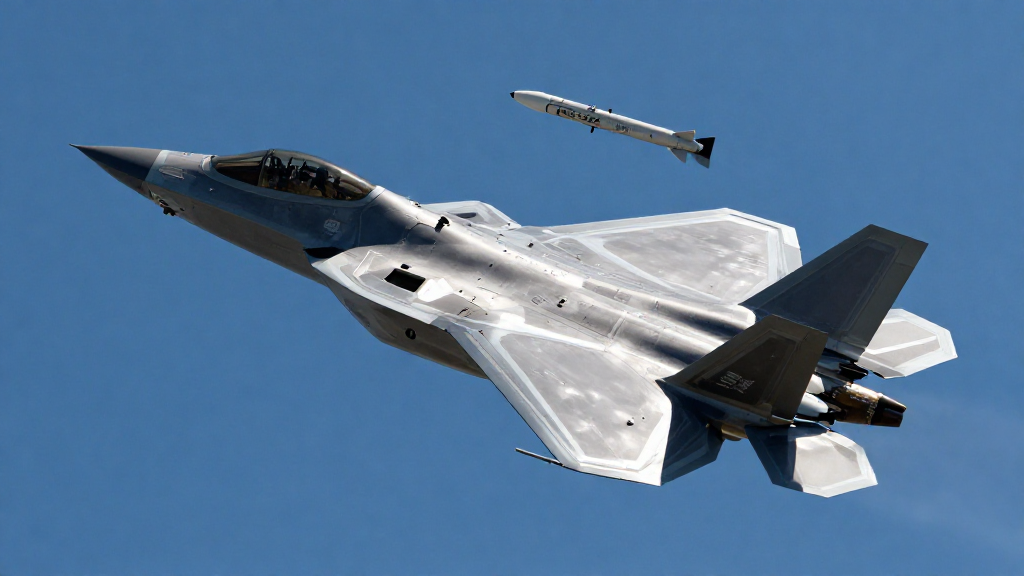

Four French Rafale fighter jets have departed Istres Air Base for a 40-day overseas deployment covering the Arctic, Indo-Pacific, and Middle East, according to the Associated Press.
Named Pegase 26, the mission will span approximately 40,000 kilometers (25,000 miles), cross three continents, and include nine scheduled stopovers.
The deployment involves two single-seat and two twin-seat Rafale aircraft, supported by three A330 MRTT tanker aircraft, two A400M transport planes, and approximately 300 personnel.
The mission is designed to demonstrate France’s ability to deploy and sustain combat aircraft over long distances while strengthening interoperability with allied and partner air forces.
During the opening phase, the Rafales flew over Greenland before reaching Alaska. The nearly 11-hour flight required five aerial refueling operations. Following their arrival, the French fighters conducted training activities with US fighter aircraft.
The deployment will then continue into the Indo-Pacific, with planned activities involving Japan, South Korea, Indonesia, and India. The aircraft will subsequently travel through the Gulf region, including a stop in Qatar, before concluding the mission in Egypt.
Strategic Context
France has conducted Pegase deployments since 2018, but Pegase 26 represents the first mission to take a northern route over Greenland and Alaska.
French commanders told the Associated Press that the route provides an alternative pathway toward the Indo-Pacific while giving French aircrews valuable experience operating in Arctic conditions.
The deployment comes as strategic competition and military activity intensify in the High North.
US President Donald Trump’s comments regarding potential US control of Greenland, a self-governing territory of Denmark, have contributed to tensions within NATO. Russia has also criticized the alliance’s increasing military presence in the Arctic.
Russian Foreign Minister Sergei Lavrov recently warned that NATO exercises in the Arctic could pose a security threat to Russia and potentially increase the risk of military confrontation.