
India’s five-regiment S-400 Triumf air defense contract with Russia remains on schedule for completion in 2026, with the fourth and fifth regimental systems expected to be delivered in June and November, respectively, according to Sputnik.
Russia’s state-run defense exporter Rosoboronexport has confirmed that the program is proceeding without delays, reaffirming Moscow’s commitment to fulfilling its contractual obligations despite earlier disruptions associated with the Ukraine conflict.
Rosoboronexport CEO Alexander Mikheev told Sputnik that there have been no changes to the delivery schedule and that the five-regiment agreement is expected to be completed by the end of 2026. The timeline is aligned with India’s planned operational requirements.
Signed in 2018 and valued at approximately ₹45,190 crore, the contract covers five complete S-400 regimental sets. India received its first three regiments between 2021 and 2023, with the systems deployed across strategically important northern and eastern sectors, including areas near the Sikkim corridor.
Fourth and Fifth Regiments
Delivery of the fourth regiment began in June 2026 after acceptance trials were completed in Russia in April. The fifth and final regiment is scheduled for delivery in November 2026, which would allow the complete five-regiment contract to be inducted by the end of the year.
The S-400 configuration supplied to India includes the 91N6E surveillance radar, which can detect aerodynamic targets at ranges of up to 570 kilometers, the 92N6E multifunctional engagement radar, 96L6E altitude detectors, and as many as 12 transporter-erector-launchers per system.
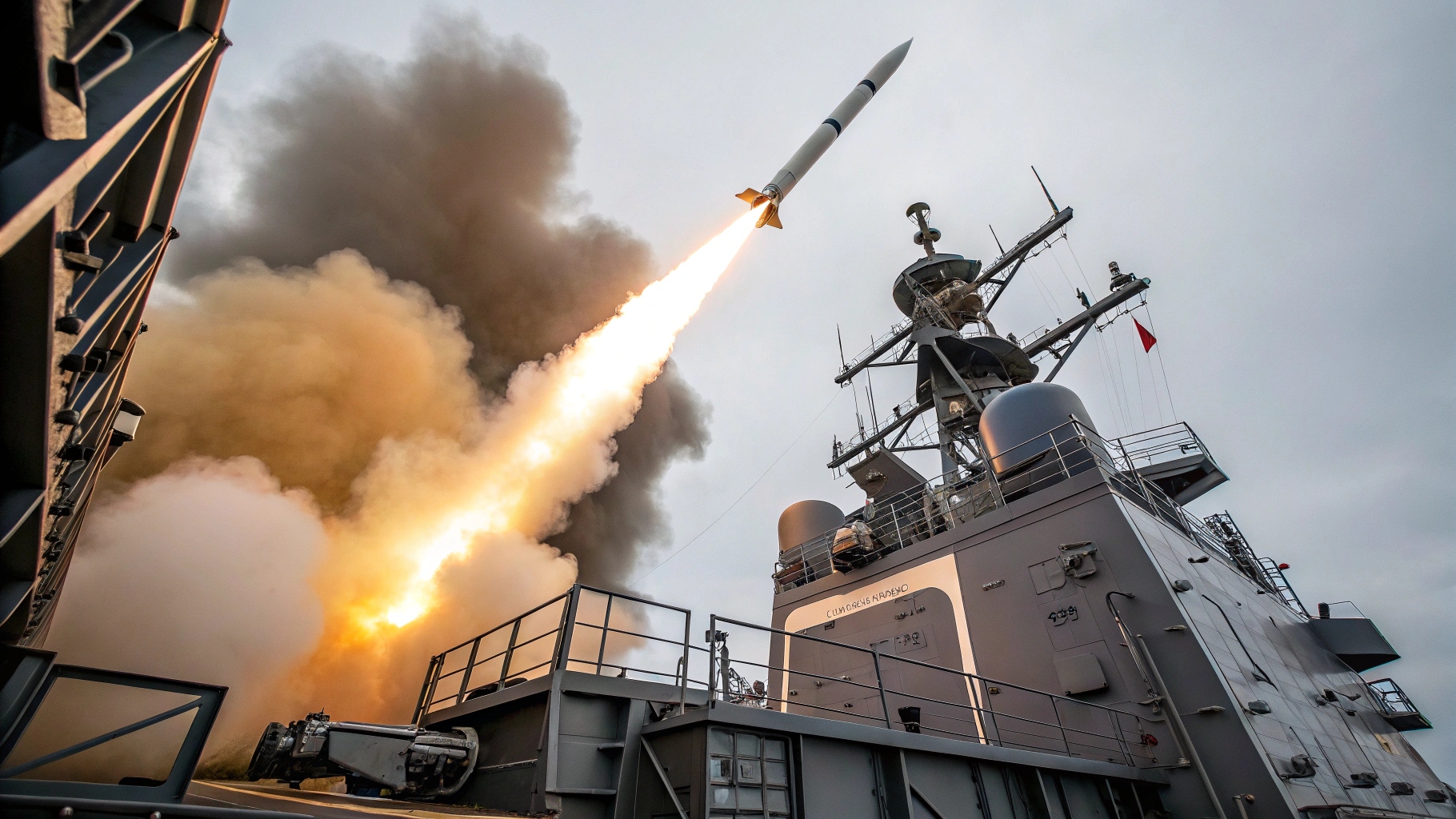
The missile family provides multiple engagement ranges. The 40N6 offers a maximum range of up to 400 kilometers, while the 48N6DM can engage targets at up to 240 kilometers. The 9M96E2 and 9M96E provide engagement ranges of approximately 120 kilometers and 40 kilometers, respectively.
Together, these interceptors provide a layered defense capability against a broad range of aerial threats, including aircraft, cruise missiles, unmanned systems, and certain ballistic missile targets.
Expanding India’s Air Defense Network
Known in Indian service as the Sudarshan Chakra, the S-400 has become a major component of the country’s long-range air defense architecture. Its reported employment during Operation Sindoor highlighted its role in countering aerial threats and strengthening India’s air defense posture.
India is also considering further expansion of its S-400 fleet. The Defence Acquisition Council approved the procurement of five additional regimental sets in March 2026 as part of a larger defense procurement package reportedly valued at nearly ₹2.08 lakh crore. If finalized and delivered, the acquisition could potentially increase India’s S-400 inventory to 10 regiments.
In February 2026, the government also cleared the urgent procurement of 288 S-400 missiles worth approximately ₹8,300 crore. The package includes short-, medium-, and long-range missiles intended to replenish interceptor stocks and maintain operational readiness.
Strategic Significance
India’s decision to acquire the S-400 despite potential US sanctions under the Countering America’s Adversaries Through Sanctions Act (CAATSA) reflected the system’s perceived strategic importance. The United States ultimately granted India a waiver, recognizing New Delhi’s broader strategic significance and its role in balancing China.
The completion of the five-regiment contract would further strengthen India’s layered air defense architecture. The S-400 can operate alongside indigenous systems such as Akash and the Medium Range Surface-to-Air Missile (MRSAM), while future capabilities under Project Kusha are expected to further expand India’s extended-range air defense network.
Integration through the Indian Air Force’s Air Command and Control System would enable greater coordination and information sharing between different air defense platforms, potentially allowing India to build a more comprehensive nationwide defensive network.
The deployment of additional S-400 units, including the fourth regiment along the western frontier in Rajasthan, is expected to strengthen India’s readiness against potential threats from Pakistan. At the same time, the broader deployment of the system across northern and eastern sectors reinforces India’s ability to monitor and respond to aerial threats along its borders with both Pakistan and China.
The timely completion of the S-400 contract therefore represents an important milestone for India’s layered air defense strategy while also underscoring the continued depth of India-Russia defense cooperation.