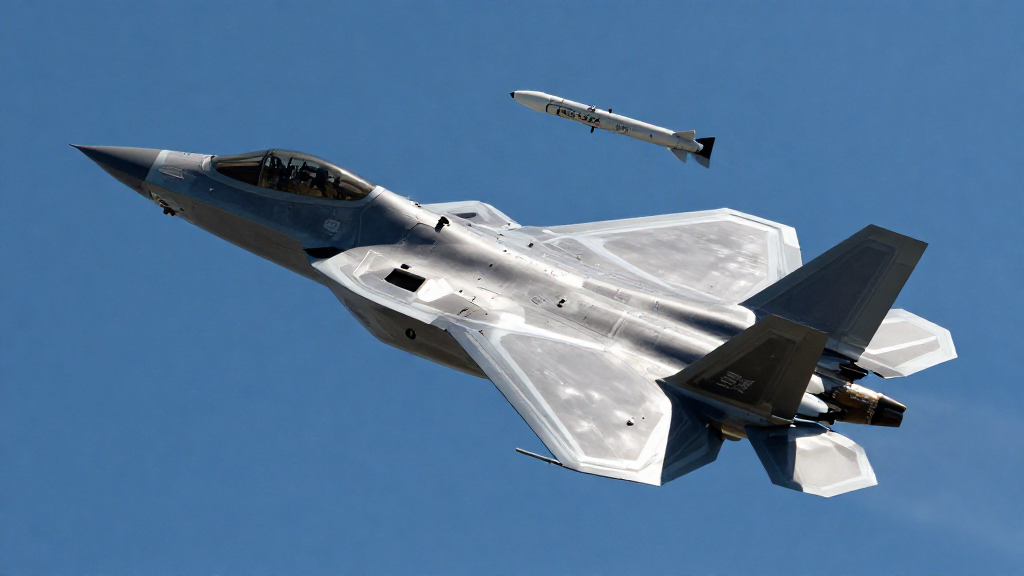

India is preparing to initiate testing of a new indigenous ramjet-powered supersonic cruise missile developed by the Defence Research and Development Laboratory (DRDL), marking a significant development in the country’s efforts to strengthen its domestic long-range precision-strike capabilities.
The upcoming missile is distinct from both the BrahMos supersonic cruise missile and the ASTRA MK-3 programme. While ASTRA MK-3 utilises Solid Fuel Ducted Ramjet (SFDR) propulsion, the new cruise missile is reportedly based on Liquid Fuel Ramjet (LFRJ) technology derived from DRDL’s Supersonic TARget (STAR) programme.
Developed under the Defence Research and Development Organisation (DRDO), the missile is envisioned as a lighter alternative to the BrahMos, which weighs approximately 2.5 tonnes in its air-launched configuration. Its reduced weight could enable greater weapons-carrying flexibility for combat aircraft.
Su-30MKI to Become the Primary Launch Platform
The new missile is primarily being developed for integration with the Indian Air Force’s Sukhoi Su-30MKI multi-role fighter aircraft. Its lighter configuration could allow a single aircraft to carry multiple missiles, increasing its strike capacity and operational flexibility during missions.
The propulsion system reportedly combines a booster for initial acceleration with a liquid-fuel ramjet engine to sustain supersonic flight. This configuration is designed to maintain high speeds throughout the missile’s flight while offering improved propulsion efficiency compared with conventional rocket-powered systems.
Recent developments indicate that the programme has progressed beyond its conceptual phase, with structural test articles reportedly being prepared for integration and carriage assessments. These activities represent an important step towards subsequent flight testing and platform qualification.
Potential Integration with Tejas Fighter Aircraft
Although the Su-30MKI is the primary platform under consideration, the missile could also offer future integration opportunities with India’s indigenous TEJAS fighter aircraft.
Its comparatively smaller dimensions and lower weight than BrahMos could make it a potential candidate for the TEJAS Mk1A and upcoming TEJAS Mk2 platforms, subject to successful development and integration trials.
Such integration could provide India’s indigenous fighters with an advanced supersonic stand-off strike capability while maintaining aircraft payload flexibility and operational performance.
It would also complement the TEJAS programme’s expanding inventory of domestically developed air-to-air and air-to-surface weapons, strengthening the Indian Air Force’s indigenous precision-strike capabilities.
Strengthening India’s Indigenous Missile Development Ecosystem
The programme reflects India’s broader commitment to developing advanced propulsion technologies and reducing dependence on foreign defence systems.
DRDL’s continued progress in liquid-fuel ramjet technology could support the development of future air-launched and surface-launched supersonic precision-strike weapons.
If development and testing progress successfully, the missile could become an important addition to India’s next-generation cruise missile portfolio, while enhancing the operational capabilities and strike flexibility of the Su-30MKI fleet.