India’s military doctrine is undergoing a significant transformation, with drones becoming embedded at the lowest levels of combat formations.
Operation Sindoor demonstrated that unmanned systems are no longer merely supporting assets. Drones emerged as frontline capabilities, performing critical surveillance and strike missions alongside conventional fighter aircraft and missile systems.
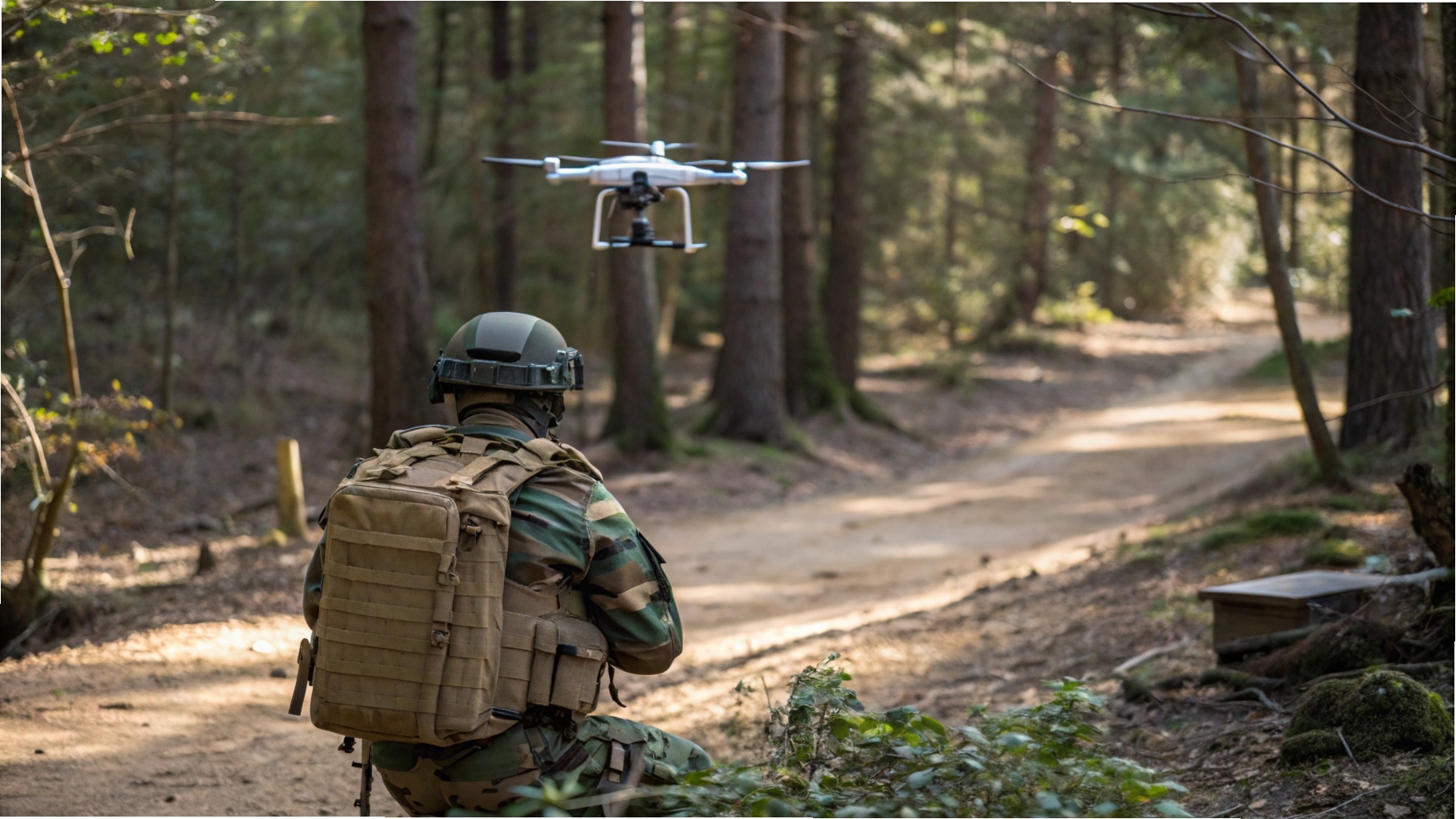
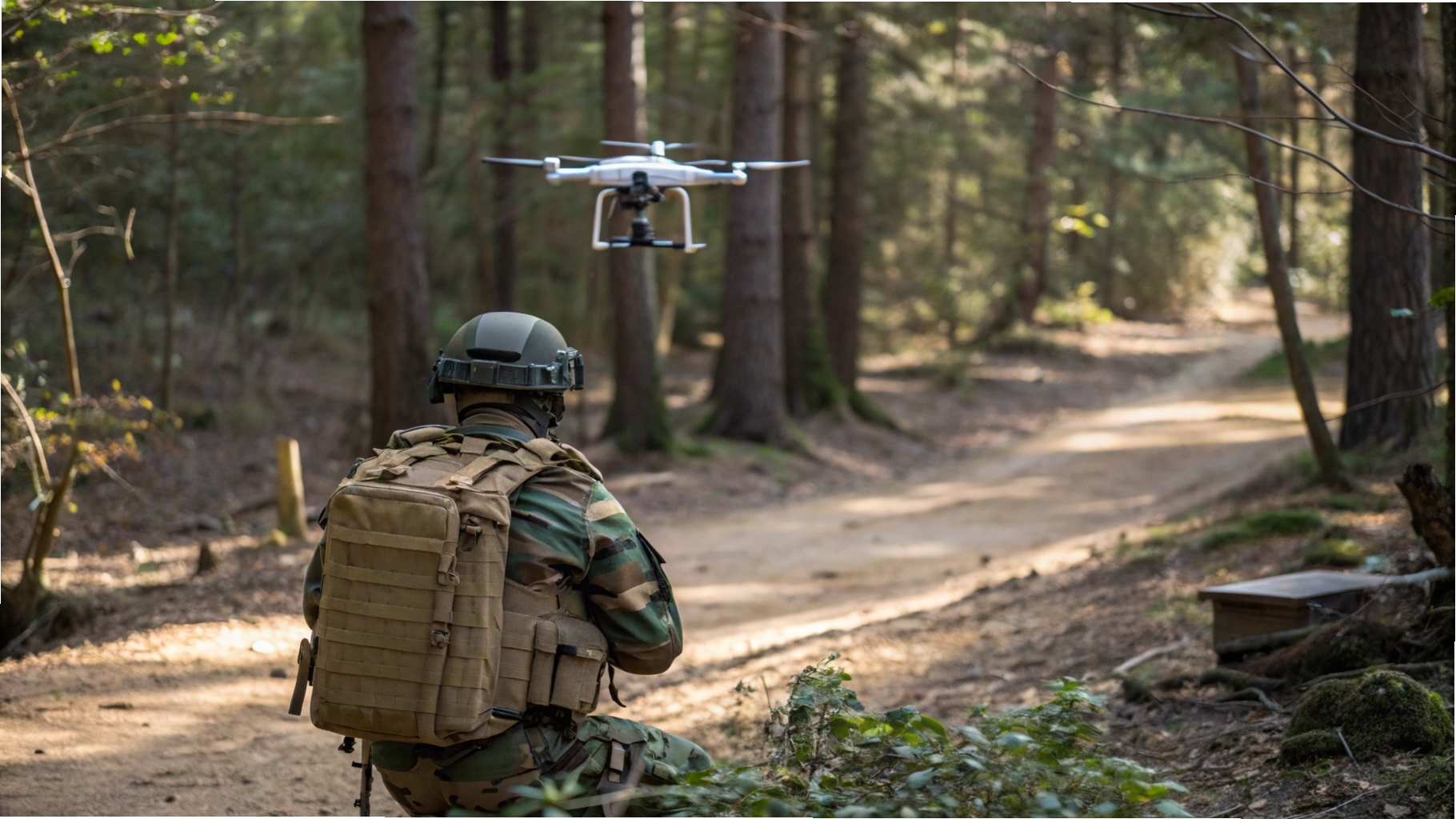
The Indian Army has now institutionalized these lessons by integrating drones across its various arms. Nearly 385 infantry battalions are being equipped with dedicated Ashni platoons. Each platoon comprises 10 drones, including four configured for surveillance and six designed as kamikaze-style loitering munitions. This structure gives frontline commanders greater freedom to respond to battlefield targets without having to depend entirely on higher headquarters for strike requests.
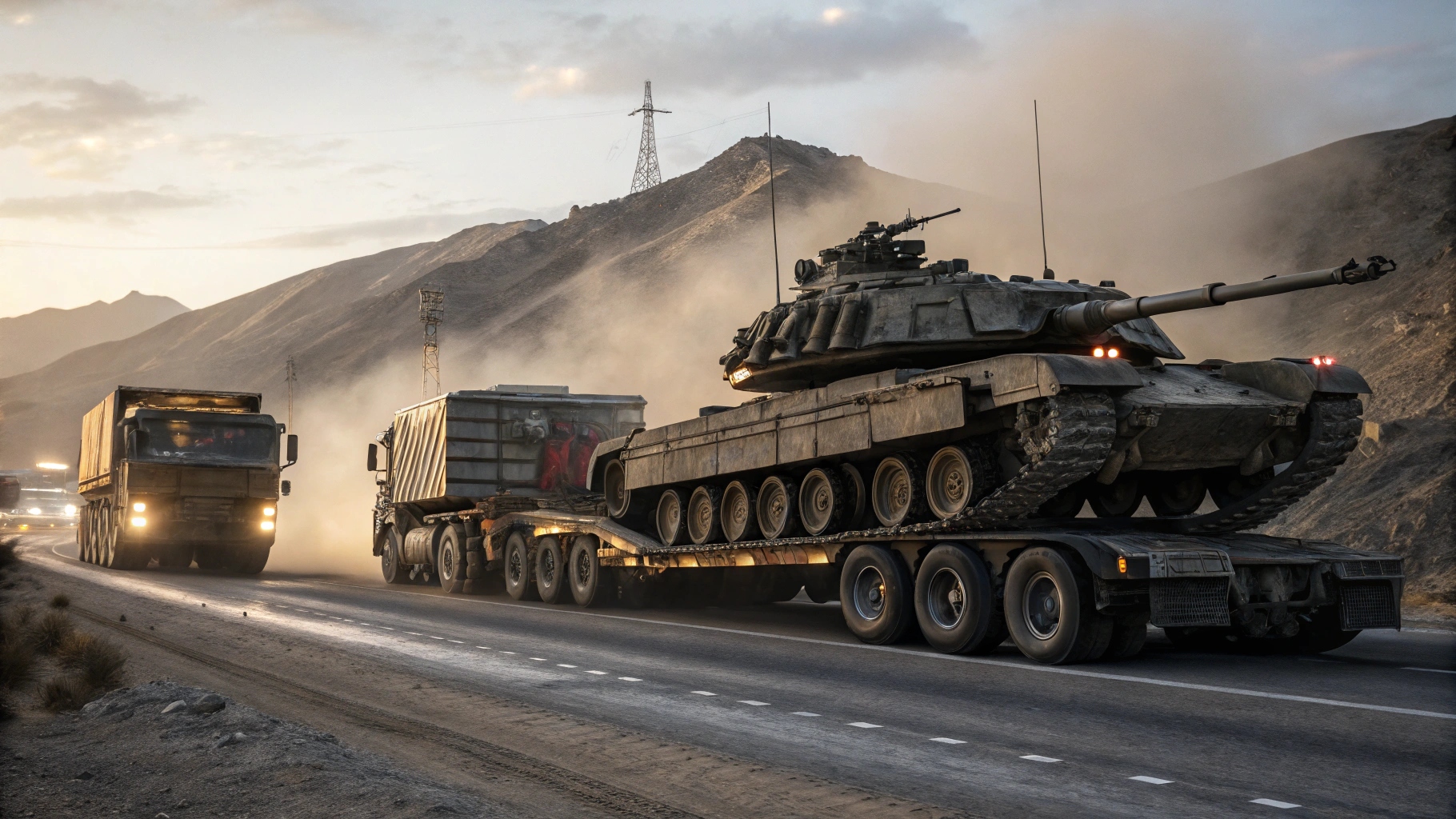
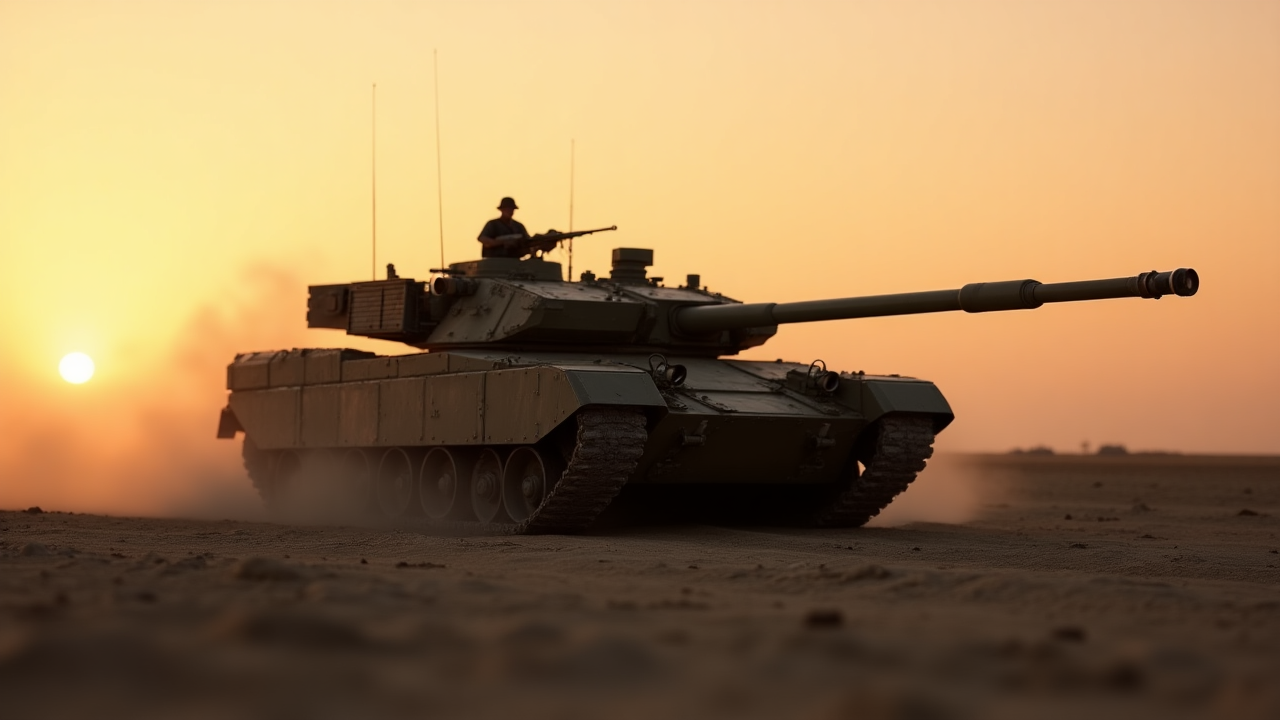
The armored corps has also introduced Shaurya Squadrons, which were tested during Exercise Amogh Jwala near Jhansi. These units place drone operators directly within tank regiments operating T-90 and Arjun platforms, providing armored formations with their own organic surveillance and strike capabilities.
Artillery formations are receiving similar capabilities through Divyastra batteries, which integrate drones with artillery positions to support precision targeting. At the same time, light infantry formations are being reorganized into Bhairav commando battalions designed to conduct rapid operations supported by unmanned systems. Together, these initiatives reflect a broader doctrine in which individual combat arms maintain their own organic drone capabilities instead of relying solely on centralized assets.
Expanding Indigenous Drone Capability
The tactical integration of drones is being supported by an expanding domestic procurement program. India is fast-tracking the acquisition of 87 indigenous Medium Altitude Long Endurance (MALE) drones, with a minimum of 60% local content.
The procurement represents a major step for India’s private defense industry, with domestic manufacturers securing a MALE drone contract at an unprecedented scale. The move could also reduce the country’s longstanding dependence on Israeli-origin unmanned systems. MALE platforms can remain airborne for extended periods over border areas, conducting persistent surveillance and precision strike missions without requiring runways close to the operational area.
The Defence Research and Development Organisation (DRDO) is also expanding its portfolio of indigenous unmanned platforms. Its development pipeline includes more than 100 systems, with the Archer-NG progressing from a surveillance-focused platform toward a multi-role armed unmanned aircraft capable of carrying precision weapons and air-to-air missiles.
The Ghatak stealth combat drone is being developed to penetrate hostile air defenses and conduct deep-strike missions without exposing pilots to enemy threats. Meanwhile, TAPAS-BH is being developed as an indigenous long-endurance surveillance platform for monitoring the Line of Actual Control (LAC) and Line of Control (LoC).
These platforms are moving from development toward eventual induction, while the High Altitude Long Endurance (HALE) category provides an even greater level of persistence. HALE aircraft can operate at significantly higher altitudes and remain airborne for extended periods, enabling surveillance across large areas of India’s borders and maritime approaches.
India does not yet operate an indigenous HALE platform at this capability level. In the interim, leased US-made MQ-9B SeaGuardian drones provide high-altitude, long-endurance surveillance over the Indian Ocean while domestic HALE programs continue to mature.
Building a Layered Counter-Drone Network
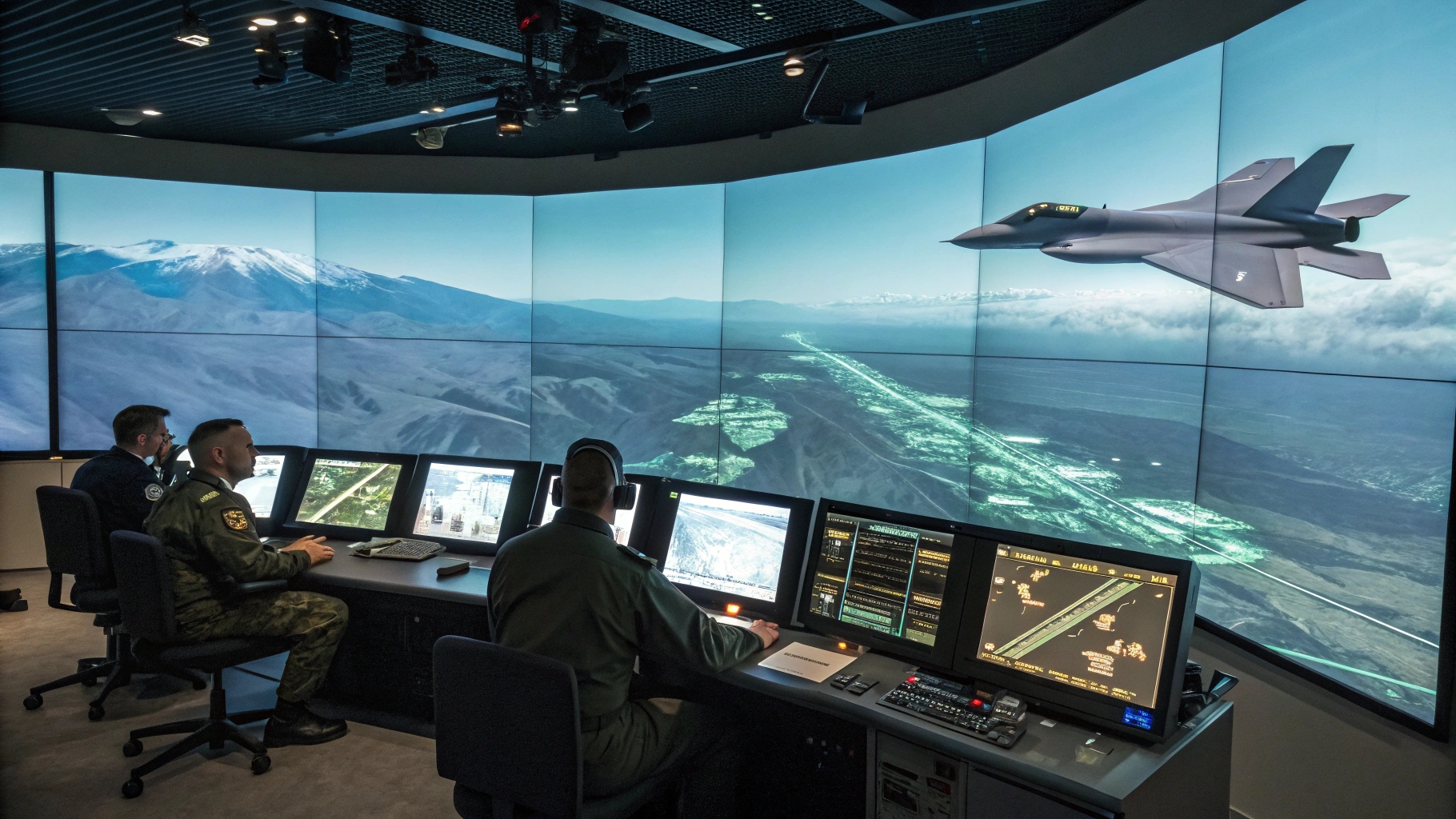
A growing drone fleet also requires an effective counter-UAS architecture. The Indian Army’s Akashteer automated air-defense network connects sensors, radars, guns, and missile systems to provide a coordinated response to aerial threats.
The system was demonstrated during Operation Sindoor, operating alongside the Indian Air Force’s Integrated Air Command and Control System (IACCS) and the Indian Navy’s Trigun network. Together, these systems helped detect and counter Pakistani drones and rocket threats while limiting damage to Indian military infrastructure.
India is also adding further counter-drone capabilities through the newly cleared Akash Tarang system, supported by upgraded L-70 anti-aircraft guns. These capabilities form part of the broader Mission Sudarshan Chakra concept, which envisions a layered, AI-enabled national air-defense network capable of protecting assets ranging from individual military installations to major population centers.
Pakistan Expands Electronic Warfare Capabilities
Pakistan is also working to strengthen its defenses against unmanned and precision-strike threats. Under the Mecca Pact, Islamabad has reportedly inducted Turkish Korkut 35mm air-defense guns, Sahin counter-UAS systems, and Chinese HQ-17AE surface-to-air missile systems.
The acquisitions are intended to address vulnerabilities exposed during Operation Sindoor, particularly following BrahMos strikes against Pakistani military infrastructure. However, reliance on imported systems alone may not resolve deeper weaknesses within Pakistan’s air-defense architecture.
Satellite imagery has indicated an expansion of Pakistan’s electronic warfare infrastructure along the frontier. A suspected Electronic Support Measures node has been identified near Dadyal in Pakistan-occupied Kashmir, approximately 33 kilometers from the Line of Control. Additional electronic intelligence infrastructure has reportedly emerged near hardened shelters at PAF Base Sindhri in Sindh.
Taken together, these developments point toward a more networked Pakistani electronic warfare architecture designed to monitor Indian military activity along the frontier and track Indian Air Force operations. This could have a direct impact on the evolving drone contest.
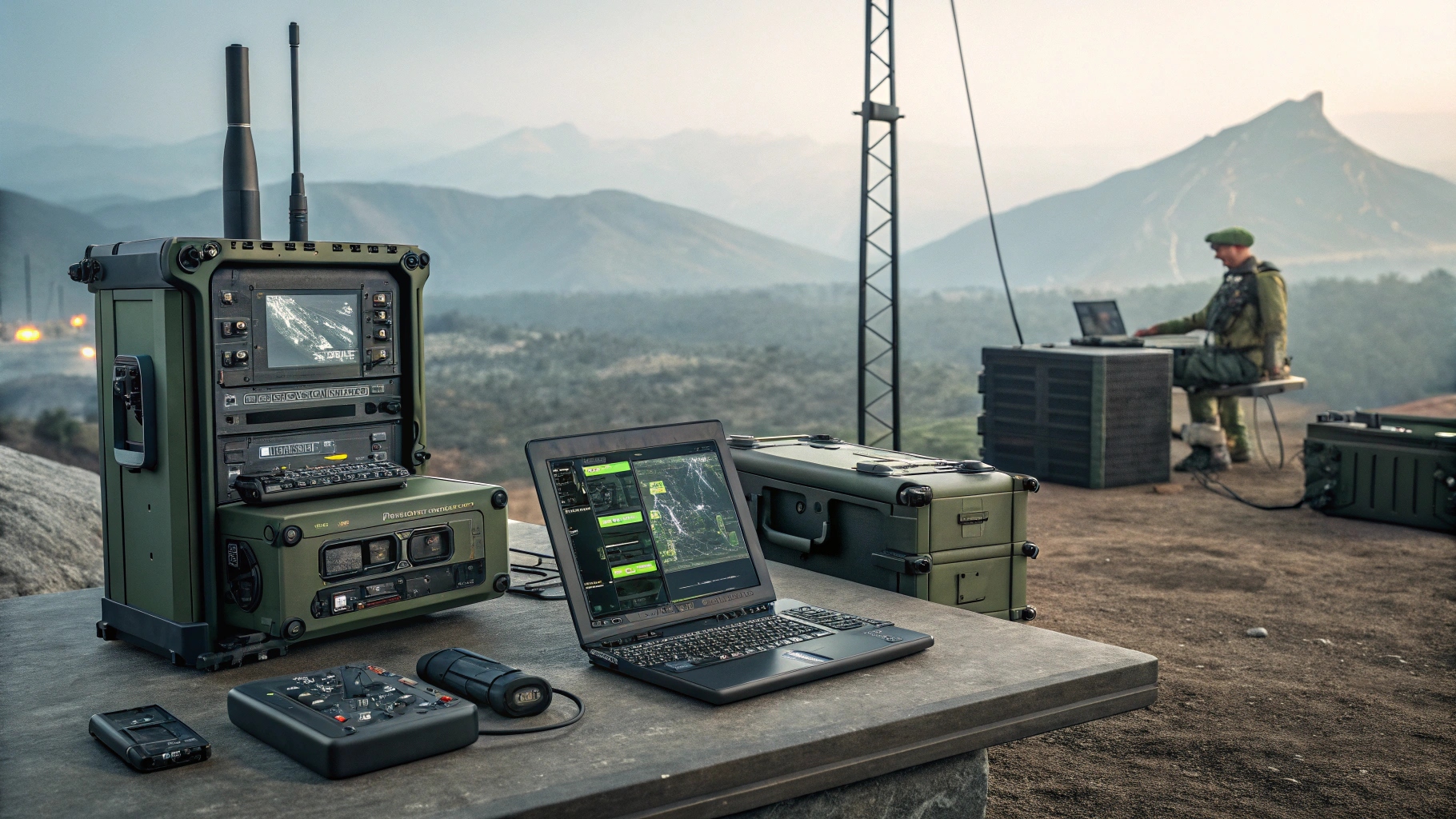
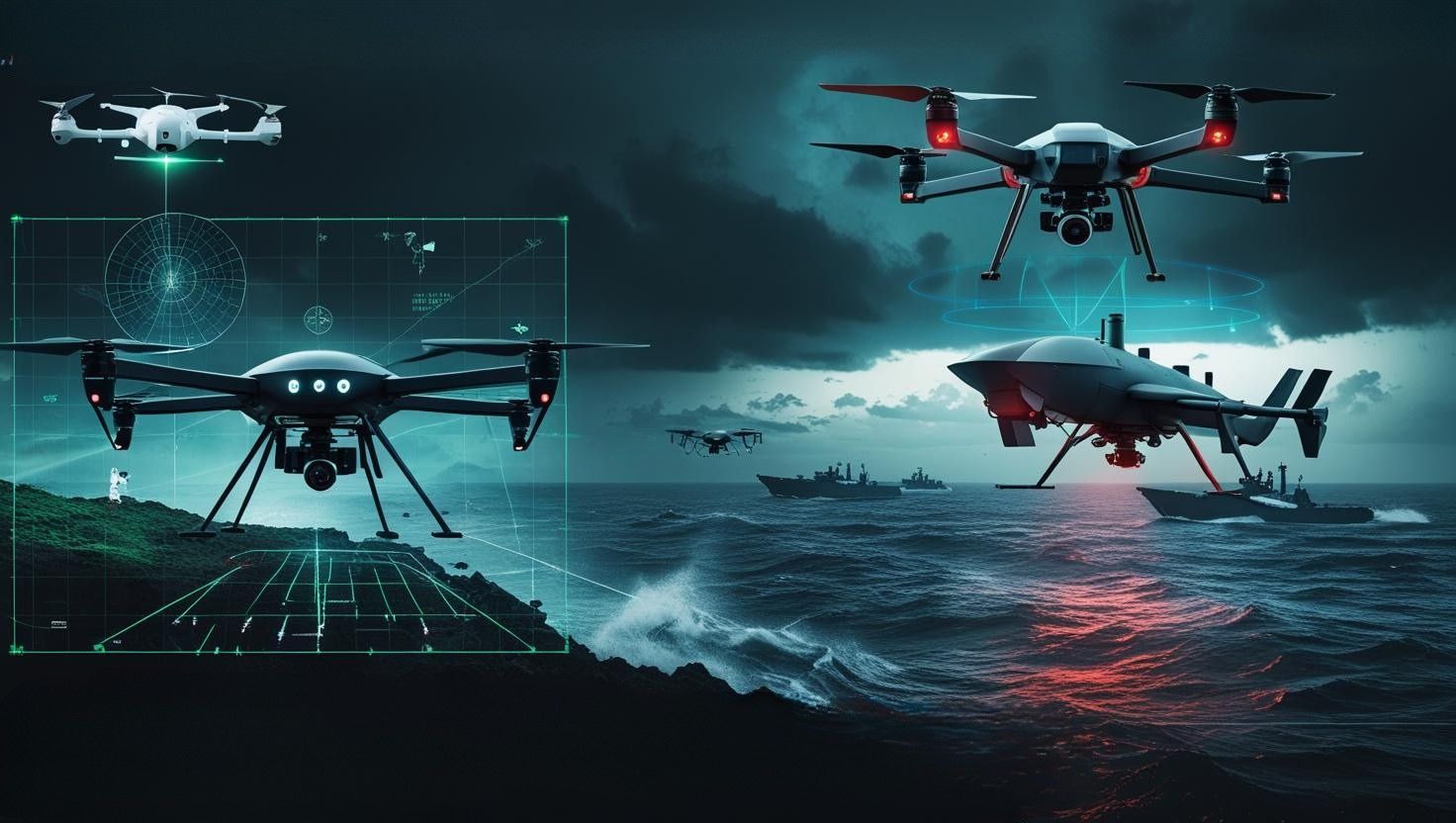
Modern unmanned systems depend heavily on satellite navigation, radio communications, data links, and other elements of the electromagnetic spectrum. These connections can potentially be disrupted through jamming, spoofing, or interception. A denser Pakistani electronic warfare presence would therefore require Indian drone swarms and loitering munitions to operate in increasingly contested electromagnetic environments.
Electronic Warfare Becomes Critical
India is simultaneously strengthening its own electronic warfare capabilities. DRDO-developed electronic warfare suites deployed on platforms such as the Su-30MKI and Rafale, together with ground-based jamming systems positioned along the LoC and LAC, are becoming increasingly important components of India’s unmanned warfare architecture.
The effectiveness of India’s drone strategy will ultimately depend not only on the number and sophistication of its unmanned platforms but also on its ability to protect their communications, navigation, and data links in contested environments.
As drone warfare expands, electronic warfare is becoming an equally important battlefield layer. The combination of drones, counter-drone systems, air-defense networks, and electronic warfare capabilities is reshaping India’s approach to modern combat and strengthening its ability to operate across an increasingly contested electromagnetic spectrum.