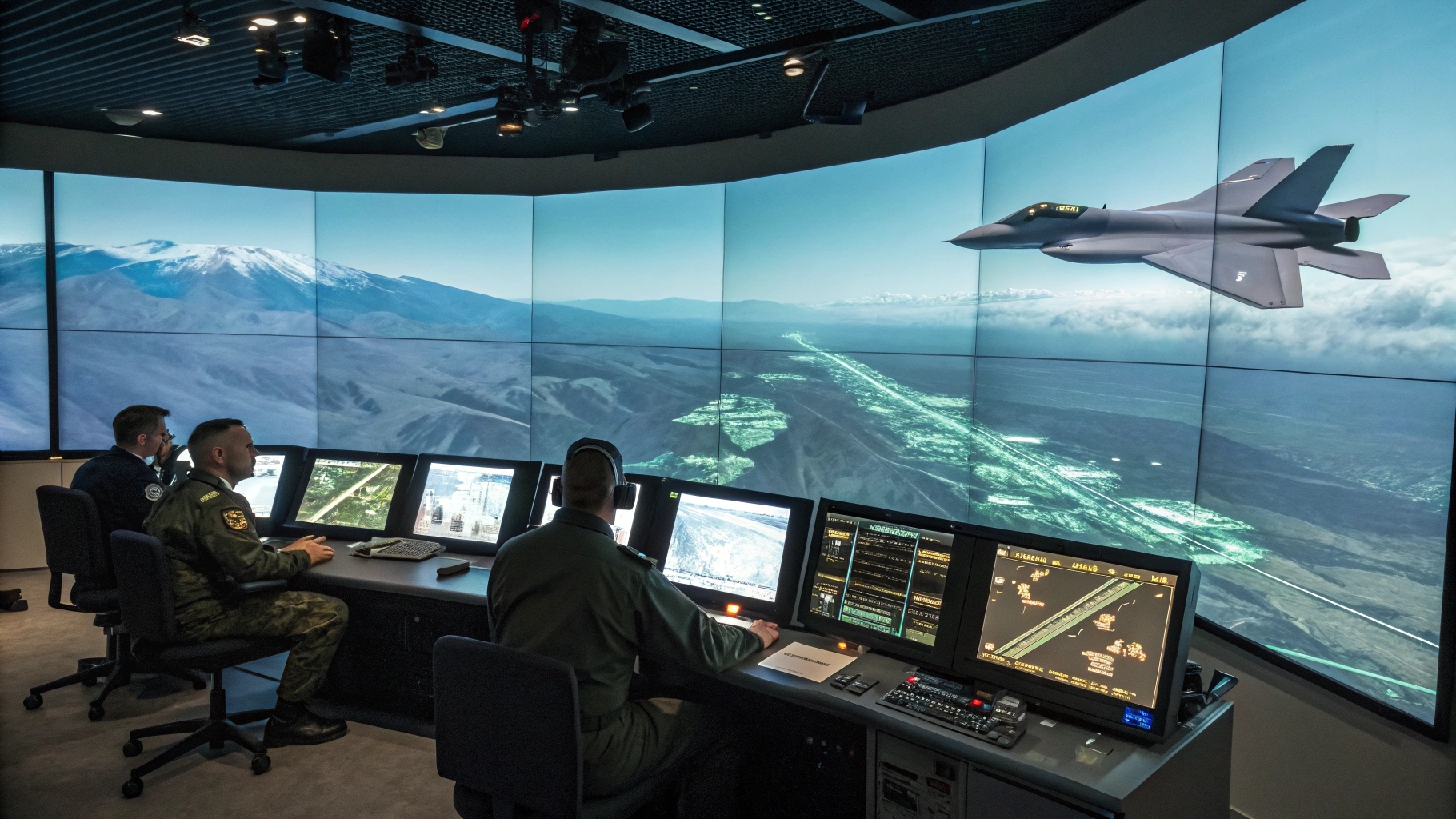
General Atomics Aeronautical Systems (GA-ASI) and Saab have successfully demonstrated the integration of Saab’s LoyalEye airborne early warning (AEW) radar onto the MQ-9B unmanned aerial vehicle, showcasing its ability to detect and track multiple airborne and maritime targets over extended distances.
The flight trials were conducted over the past few months at GA-ASI’s Desert Horizon flight operations facility in Southern California. During the demonstrations, the MQ-9B simultaneously tracked several targets, including instrumented fighter aircraft simulating adversary threats and commercial aircraft, as well as maritime targets.
Saab’s LoyalEye radar was installed in payload pods mounted on the unmanned aircraft. According to Saab, the latest demonstration validated the system’s ability to detect, track and classify airborne targets under representative operational conditions. Representatives from participating organisations and other stakeholders observed the trials in real time.
The MQ-9B AEW configuration is being developed to operate independently or alongside crewed airborne early warning and control (AEW&C) aircraft, providing additional surveillance capabilities to military forces.
Enhancing MQ-9B with Airborne Early Warning Capabilities
Airborne early warning systems use advanced radar technology to detect, identify and track potential threats at significant distances. These systems provide military operators with an extended view of the operational environment, supporting situational awareness, threat assessment and coordinated response planning.
Integrating AEW capabilities into the MQ-9B is intended to expand surveillance coverage by combining radar-based detection with the aircraft’s long-endurance performance. The unmanned platform could remain airborne for extended periods, monitoring large geographical areas and providing persistent surveillance without requiring aircrews to operate in potentially hostile environments.
The LoyalEye integration is also expected to offer greater flexibility in deploying airborne surveillance assets. By using an unmanned aircraft as an additional radar platform, military forces could strengthen their detection and tracking capabilities while making more efficient use of existing crewed AEW&C aircraft.
Saab Surveillance head Carl-Johan Begholm highlighted the operational advantages of the integration, stating that LoyalEye complements existing capabilities by extending operational reach, improving flexibility and enabling more efficient resource utilisation in demanding environments.
Distributed Command and Control for Future Operations
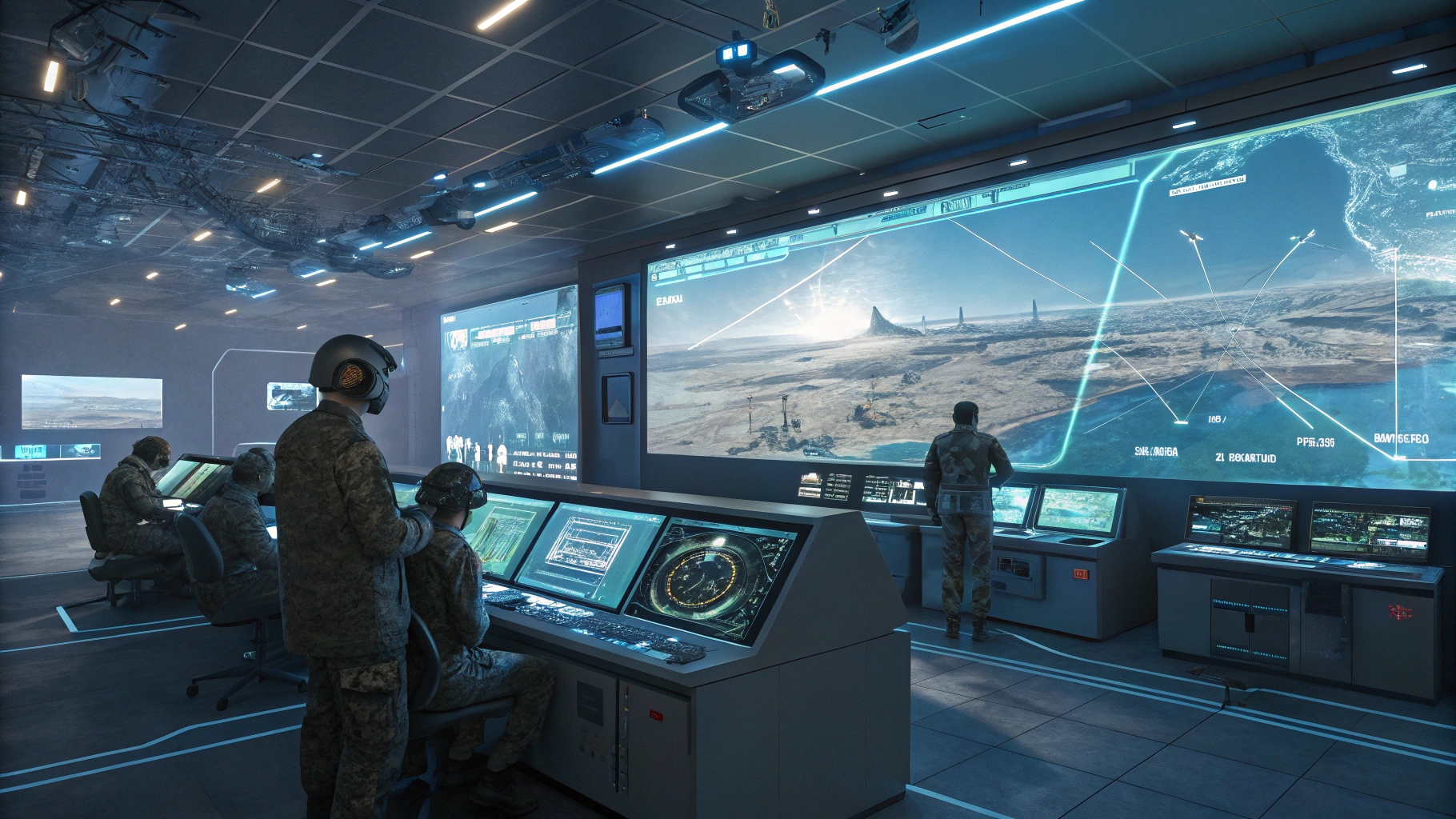
The MQ-9B AEW configuration could also provide greater flexibility in managing surveillance and command-and-control operations. GA-ASI stated that battle management and command-and-control functions could be distributed across different operational platforms, depending on mission requirements and available infrastructure.
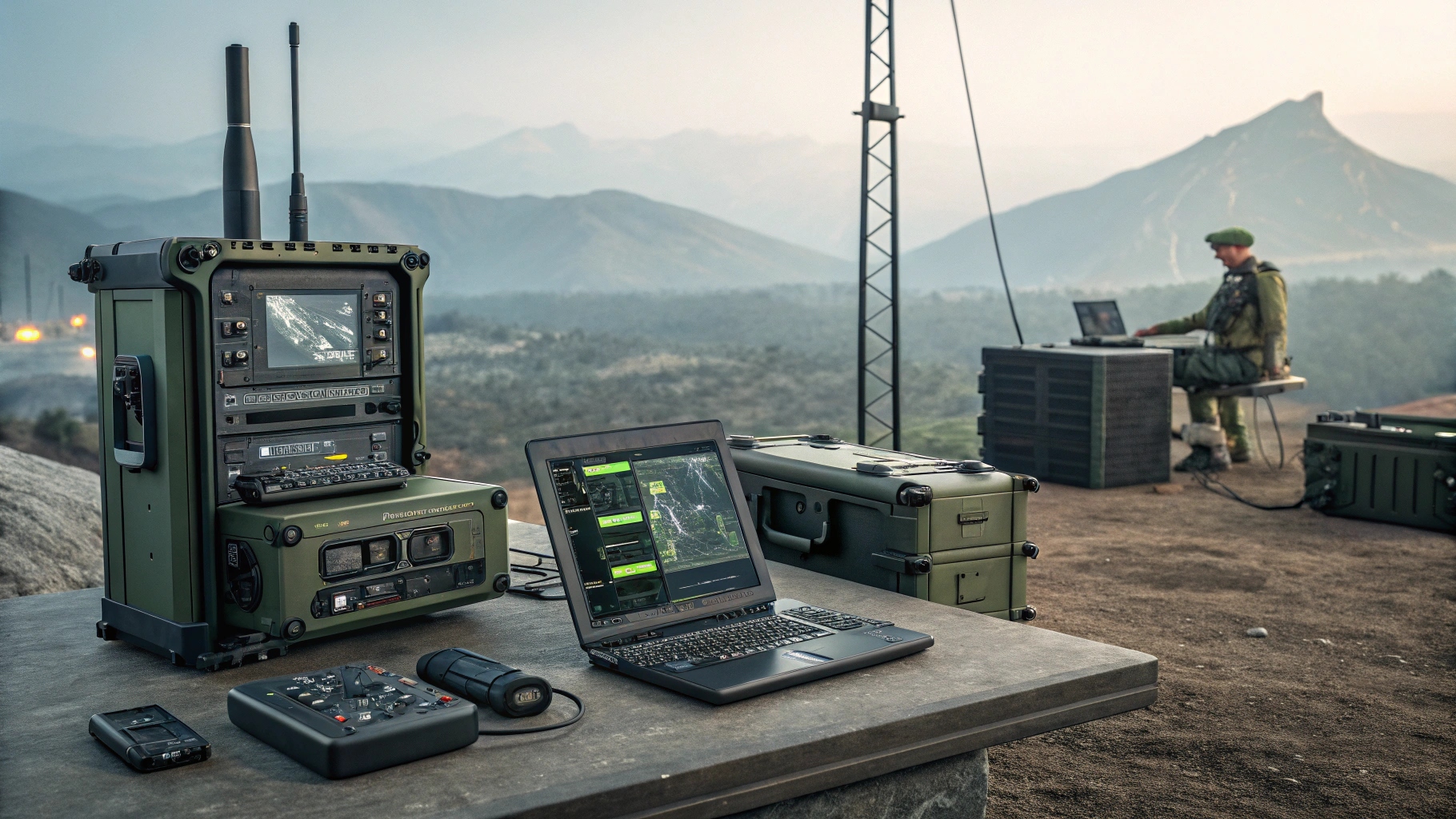
These functions could be managed through ground-based facilities, naval vessels or existing crewed airborne early warning aircraft. Such an approach would allow military operators to integrate information from the MQ-9B into broader surveillance and defence networks.
The ability to distribute command-and-control responsibilities could support coordinated operations across multiple domains, particularly in environments where persistent surveillance and rapid information sharing are essential.
Advancing Unmanned Airborne Surveillance Capabilities
The demonstration by GA-ASI and Saab highlights the growing role of unmanned platforms in next-generation airborne surveillance and early warning missions. Combining the MQ-9B’s endurance with Saab’s LoyalEye radar could provide military forces with an additional option for persistent airborne target detection and tracking.
The integration also reflects a broader shift towards networked defence systems in which crewed aircraft, unmanned platforms, ground stations and naval assets share surveillance information to improve operational awareness.
As military requirements increasingly emphasise persistent monitoring, distributed command and control and multi-domain coordination, AEW-equipped unmanned aircraft could become an important complement to traditional crewed airborne early warning platforms.