
Leonardo has partnered with US-based Shield AI to integrate its Hivemind autonomy software into the company’s Proteus uncrewed helicopter demonstrator, supporting the development of advanced autonomous mission capabilities. The collaboration will explore potential applications across military operations, including anti-submarine warfare, maritime surveillance and logistics missions in contested environments.
Under the agreement, Leonardo will incorporate Shield AI’s Hivemind Software Development Kit (SDK) into its autonomy development process. The integration will provide Leonardo’s engineering teams with tools to develop, customise and adapt autonomous mission capabilities for rotary-wing aircraft.
The planned applications include anti-submarine warfare (ASW), intelligence, surveillance and reconnaissance (ISR), as well as logistics operations in environments where conventional communications and navigation infrastructure may be disrupted. Leonardo is also considering the potential to extend the technology to other programmes across its helicopter portfolio.
Proteus is a vertical take-off and landing (VTOL) uncrewed aircraft developed by Leonardo in collaboration with the Royal Navy and UK Defence Innovation. The platform is being developed under the Rotary Wing Uncrewed Air System (RWUAS) technology demonstrator programme to explore the operational potential of autonomous helicopter capabilities.
Shield AI Expands Hivemind’s Autonomous Platform Integration
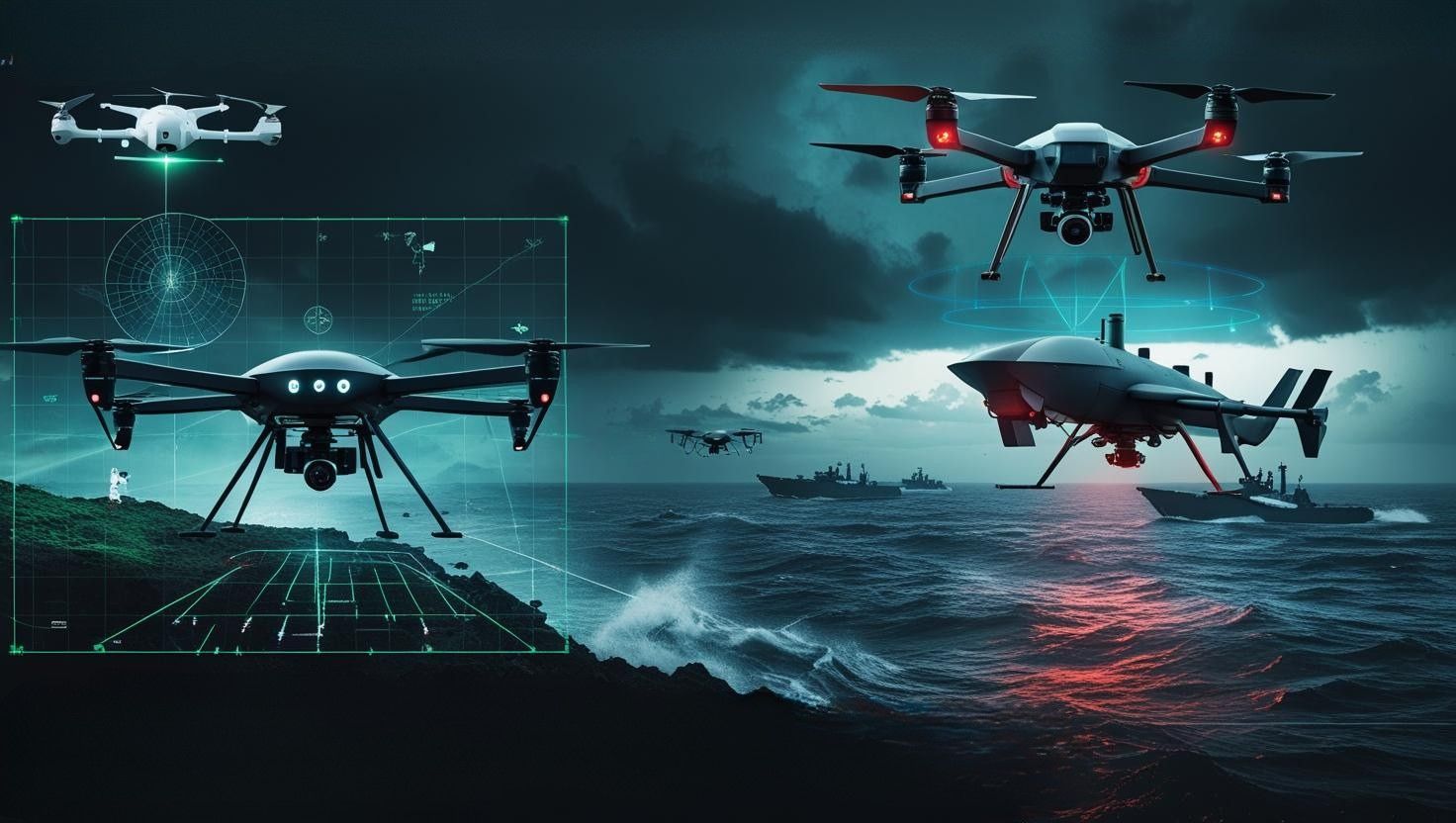
Shield AI has been expanding the application of its Hivemind autonomy software across multiple unmanned platforms developed by different manufacturers. The technology is designed to support autonomous operations and coordinated missions, including in environments where GPS signals or communications networks are degraded.
In October 2026, Shield AI signed an agreement with Australia’s Innovaero Technologies to integrate Hivemind into the company’s OWL family of loitering munitions. The collaboration is intended to support coordinated operations involving multiple aircraft, including missions conducted in challenging electronic and communications environments.
During the same month, Shield AI also entered into an agreement with Rheinmetall Barzan Advanced Technologies to explore the integration of Hivemind into Qatar-designed uncrewed surface vessels. The proposed application will focus on intelligence, surveillance and reconnaissance missions, expanding the software’s potential use beyond aerial platforms.
These partnerships highlight Shield AI’s efforts to extend its autonomy technology across different operational domains, including aerial and maritime systems.
Recent Demonstrations of Autonomous Multi-Platform Operations
The latest agreements build on a series of demonstrations involving Hivemind-enabled unmanned systems.
In August 2026, Shield AI and Taiwan-based Thunder Tiger conducted a demonstration in Taiwan in which multiple uncrewed surface vessels were coordinated using Hivemind during a simulated surveillance mission. The demonstration highlighted the software’s potential to support autonomous maritime operations and multi-platform coordination.
Earlier, in March 2026, Shield AI partnered with Mitsubishi Heavy Industries to test Hivemind on two autonomous drones in Japan. The trials demonstrated the software’s ability to support target-tracking operations using unmanned aircraft.
Advancing Autonomous Military Aviation
Leonardo’s collaboration with Shield AI represents another step towards developing autonomous capabilities for next-generation military aviation. Integrating Hivemind into the Proteus demonstrator could help expand the operational roles of uncrewed rotary-wing aircraft, particularly in missions that require extended endurance, coordinated operations and reduced exposure of personnel to high-risk environments.
The potential application of autonomous helicopters in anti-submarine warfare, maritime surveillance and contested logistics reflects growing interest among defence organisations in uncrewed systems capable of operating alongside crewed aircraft and naval platforms.
As Shield AI continues to establish partnerships across the aerospace and maritime sectors, its Hivemind software is gaining opportunities for integration into a wider range of unmanned platforms. Leonardo’s Proteus programme could provide an important pathway for evaluating these capabilities within the rotary-wing domain.