
Lockheed Martin has delivered a newly manufactured C-130J-30 Super Hercules aircraft to the US Navy for conversion into the E-130J Phoenix II, the service’s next-generation nuclear command, control, and communications platform.
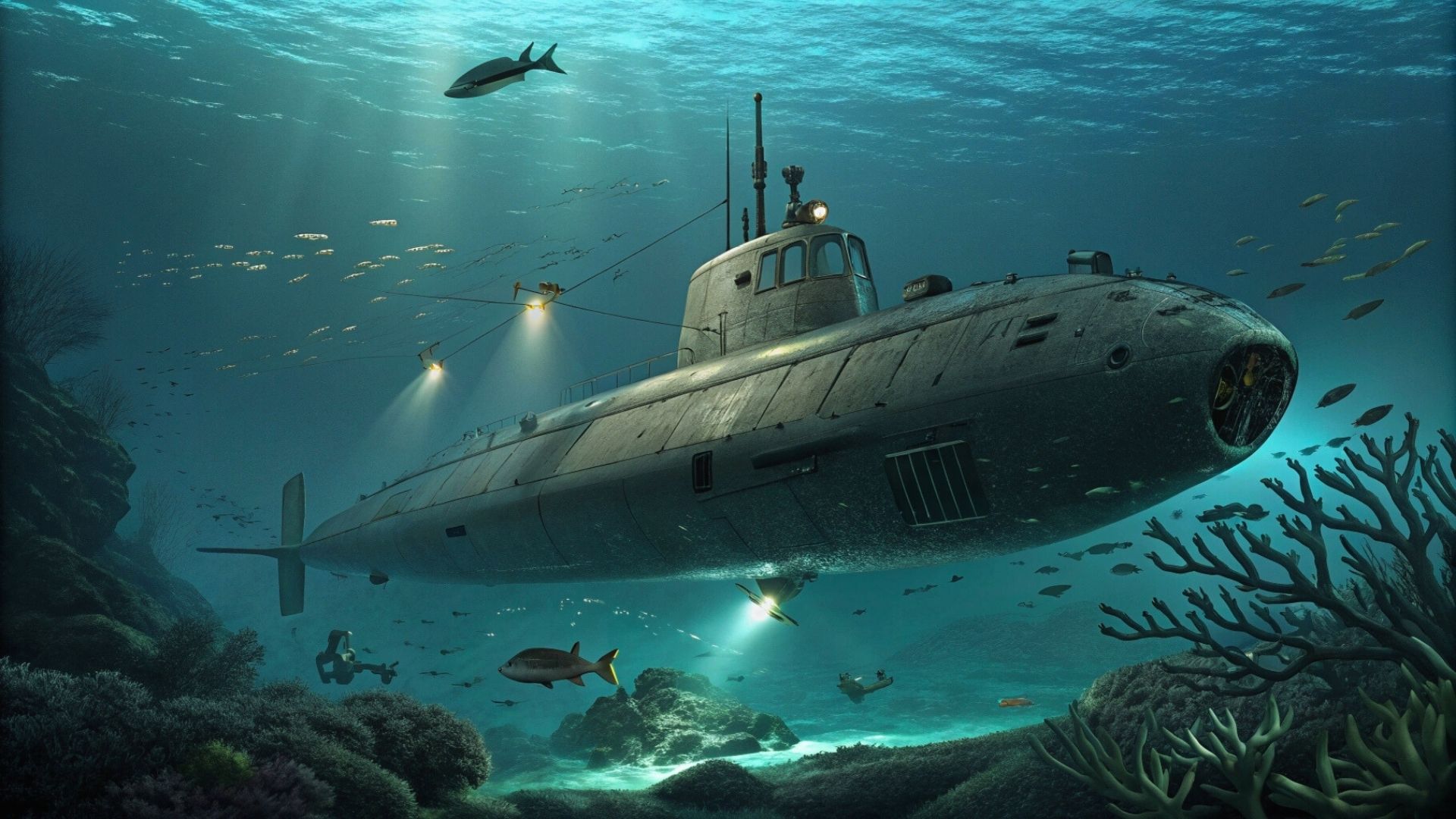
Following its delivery from Lockheed Martin’s production facility in Marietta, Georgia, the aircraft will undergo mission-systems integration under the leadership of prime contractor Northrop Grumman. Collins Aerospace will provide very-low-frequency (VLF) communication systems, enabling the aircraft to transmit emergency messages to submerged ballistic-missile submarines.
The E-130J Phoenix II is being developed to replace the Boeing E-6B Mercury in the US Navy’s Take Charge and Move Out (TACAMO) mission. This critical capability ensures communication between national leadership and US ballistic-missile submarines, even when conventional communications infrastructure is disrupted.
Based on the Boeing 707 airframe, the E-6B Mercury entered operational service in 1997, with the final aircraft delivered in 2006.
Upgraded Platform and Enhanced Capabilities
The C-130J-30 Super Hercules provides the US Navy with a domestically manufactured, four-engine platform offering the endurance and proven operational performance required for the TACAMO mission.
The E-130J Phoenix II will incorporate upgraded avionics, increased electrical power, extended operational range, improved fuel efficiency, and greater payload capacity. These enhancements are intended to strengthen the reliability and effectiveness of the US Navy’s airborne nuclear communications network, supporting secure command-and-control operations and the continued readiness of the United States’ strategic nuclear deterrent.