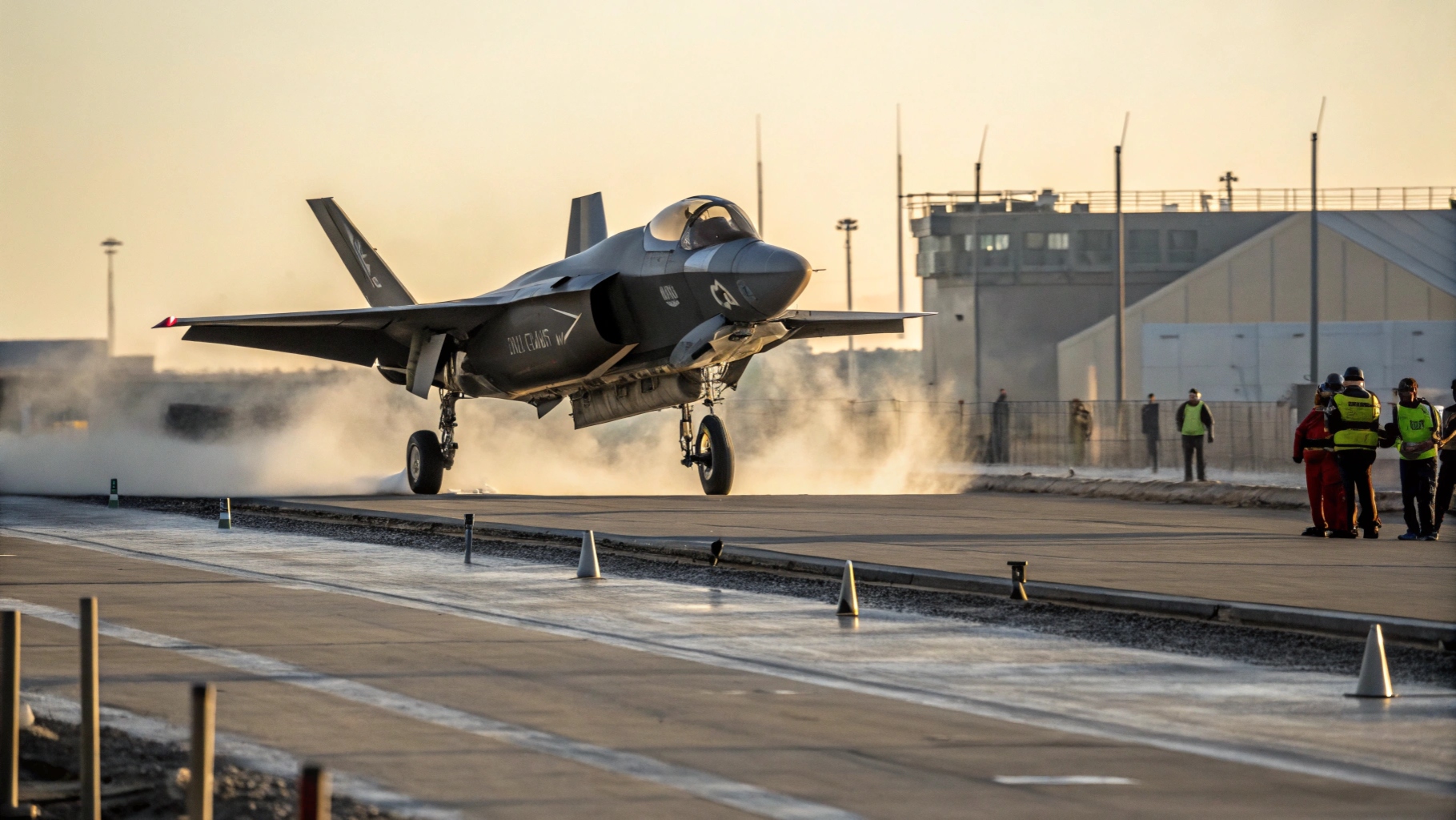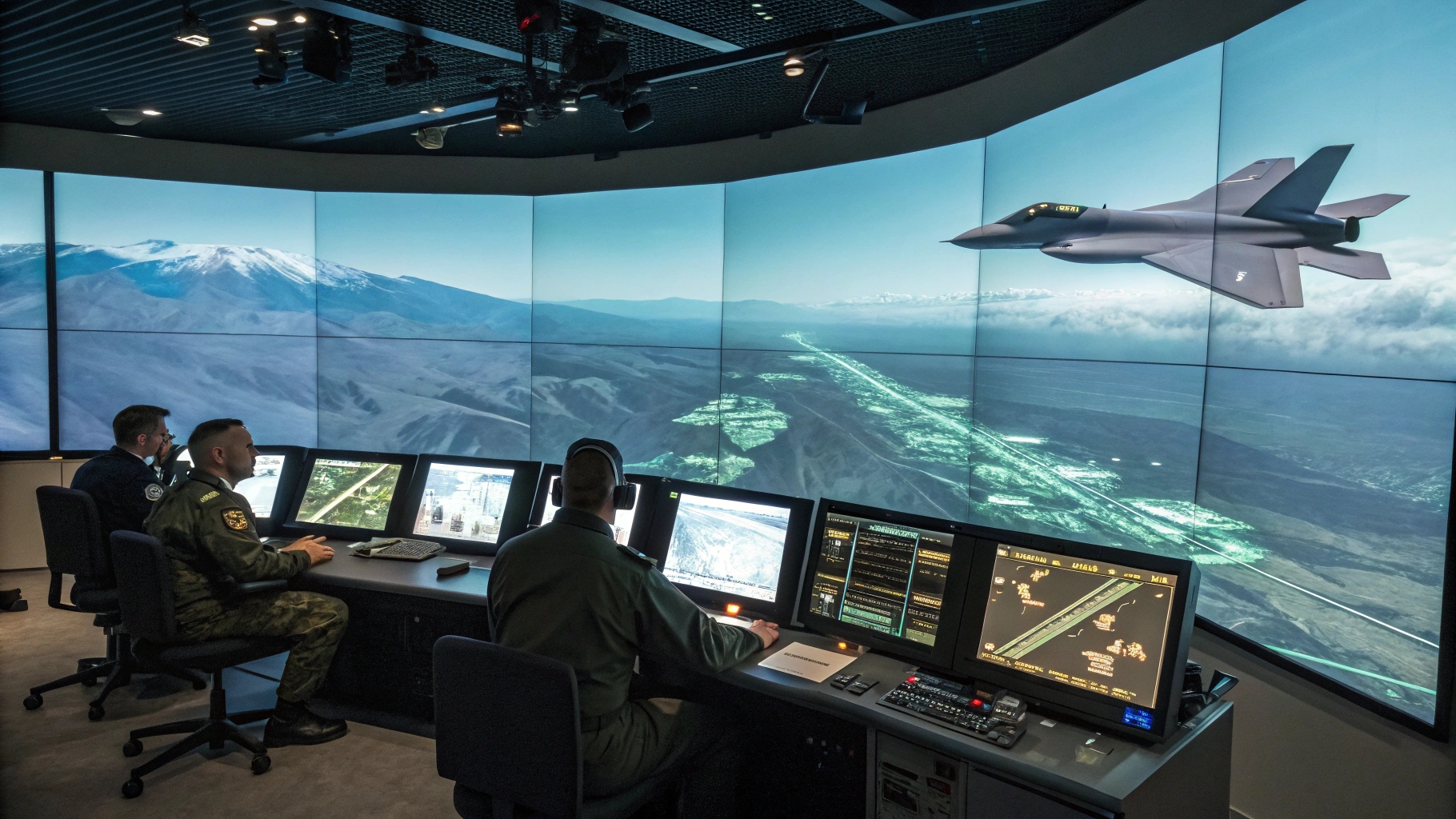
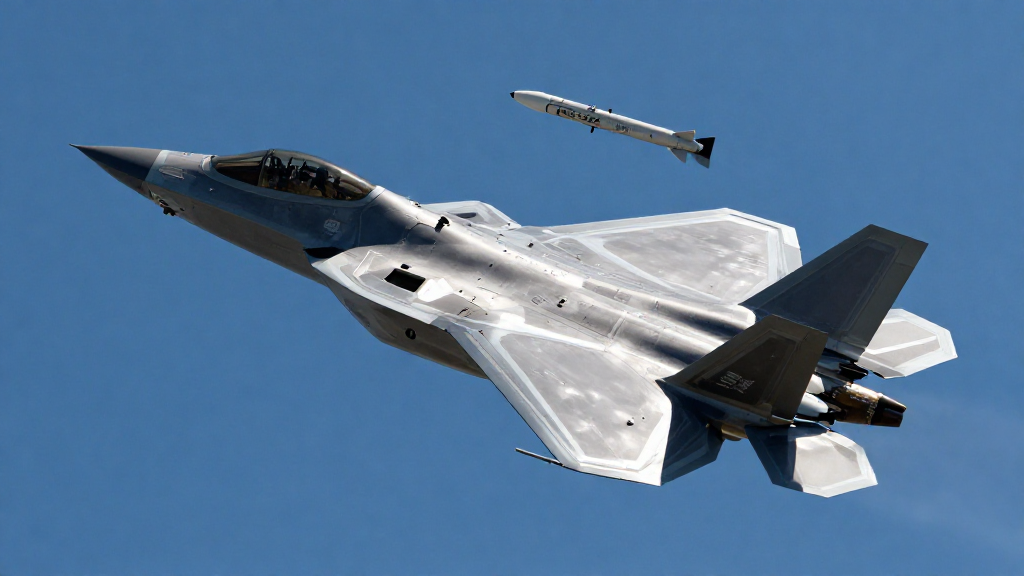
Kazakhstan is reportedly preparing to receive its first batch of Russian Su-57 fifth-generation fighter aircraft over the next two years, marking a major step in the modernization of its military aviation capabilities. Although the details of the acquisition and delivery schedule have not been officially disclosed by the respective defence ministries, regional defence reports suggest that the procurement could make Kazakhstan one of the few countries to operate a fifth-generation stealth fighter.
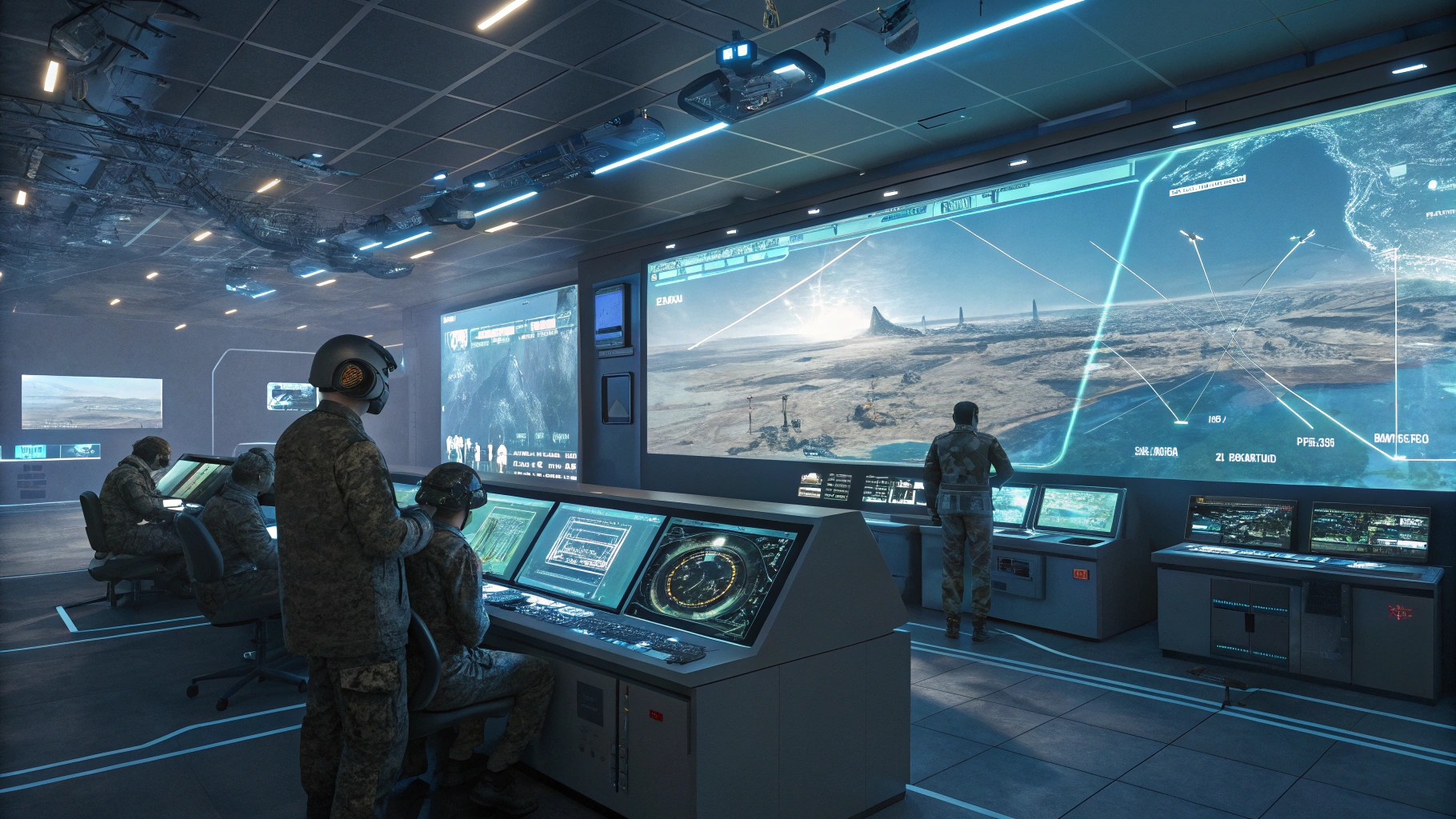
For the Kazakh Air Force, the introduction of the Su-57 would represent a significant technological transition from its predominantly Soviet-era aircraft fleet. The country currently operates platforms such as the Su-30SM multirole fighter alongside various legacy combat aircraft. Integrating a fifth-generation fighter would require substantial upgrades to existing infrastructure, including specialised maintenance facilities, secure communications and data-link networks, advanced mission-support systems and dedicated pilot training programmes.
The acquisition also underscores Kazakhstan’s continuing defence-industrial and military relationship with Russia. The move fits within Astana’s broader security cooperation framework with Moscow, including its participation in the Collective Security Treaty Organization (CSTO), while supporting Kazakhstan’s efforts to strengthen and modernize its air-combat capabilities.
Beyond the aircraft itself, the introduction of the Su-57 could drive wider changes across Kazakhstan’s military aviation ecosystem. Operating a sophisticated stealth platform would require new maintenance procedures, logistics capabilities, training standards and secure command-and-control infrastructure. These investments could ultimately contribute to the modernization of the country’s broader combat-aircraft operating environment.
The reported procurement therefore represents more than an aircraft acquisition. If implemented as expected, the Su-57 could significantly enhance Kazakhstan’s air-combat capabilities while deepening its existing defence ties with Russia and contributing to Astana’s efforts to adapt its military posture to evolving security conditions across Central Asia.