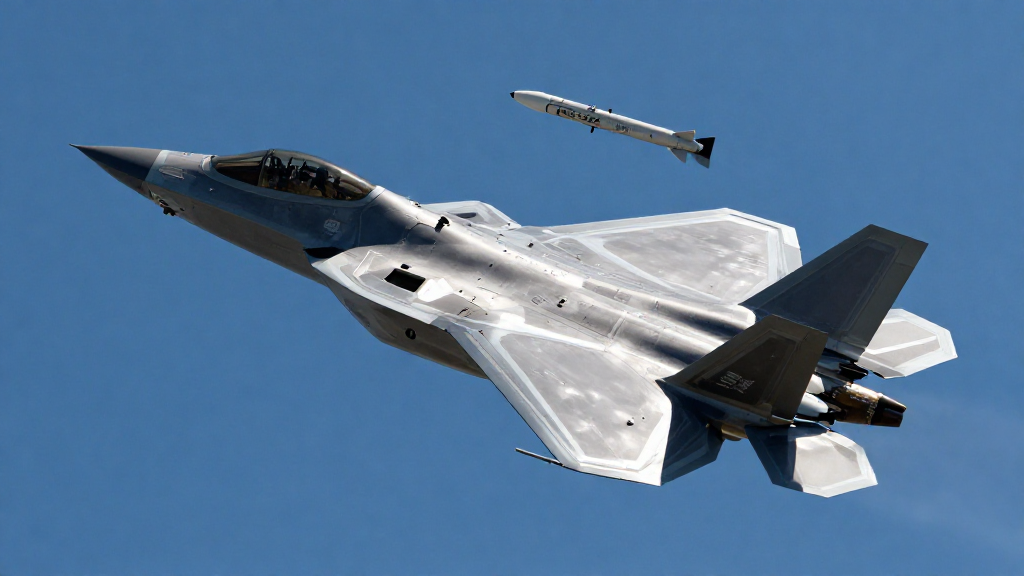

The US Air Force has awarded StandardAero a contract to deploy its Maintenance Insight predictive analytics solution for F100-220 engines powering more than 175 F-15 combat aircraft.
The agreement marks the fifth military propulsion system to adopt the Arizona-based company’s proprietary software suite, expanding the use of data-driven maintenance across the US military aviation fleet.
Hosted within the military’s cloud infrastructure, Maintenance Insight combines artificial intelligence (AI), machine learning, and digital twin technology to analyse potential engine failure modes and identify emerging maintenance requirements.
The system generates real-time insights to help maintenance teams plan preventive maintenance, determine the required scope of work, and optimise maintenance schedules. These capabilities are intended to improve engine reliability, reduce unexpected downtime, and enhance aircraft operational readiness.
StandardAero has previously developed diagnostic models with the US Air Force for several other propulsion systems, including the T56 engine powering the C-130 Hercules transport aircraft, the J85 engine used in the T-38 Talon supersonic trainer, the TF33 engine fitted to the B-52 Stratofortress strategic bomber, and the TF39 engine powering the C-5 Galaxy airlifter.
Latest Engine Maintenance and Support Contracts
The latest award follows StandardAero’s selection for a $343 million programme to provide comprehensive maintenance services for T56 engines supporting US Air Force C-130 aircraft and foreign military sales customers.
In July, the company partnered with GE Aerospace to assemble and maintain CT7 engines intended for the UK Armed Forces’ upcoming New Medium Helicopters.
Beyond military aviation, StandardAero also provides long-term engine repair and overhaul services for powerplants used in the US Navy’s amphibious hovercraft fleet.
The company’s expanding portfolio highlights the growing role of predictive analytics, digital engineering, and advanced maintenance technologies in supporting military propulsion systems and improving fleet availability.