India has taken a significant step towards enhancing the Indian Navy’s underwater warfare capabilities with the inauguration of the Setting to Work Phase-2 (STW-2) activity for its indigenously developed Air Independent Propulsion (AIP) system. The milestone advances efforts to improve the underwater endurance, stealth and operational effectiveness of the Navy’s conventional submarine fleet.
The AIP Energy Module has been developed by the Naval Materials Research Laboratory (NMRL), operating under the Defence Research and Development Organisation (DRDO). The technology is designed to reduce the dependence of diesel-electric submarines on atmospheric oxygen, enabling them to remain submerged for extended periods without surfacing or using a snorkel to recharge their batteries.
DRDO’s Indigenous AIP System Enters a Critical Testing Phase
The STW-2 inauguration ceremony took place at Larsen & Toubro’s AM Naik Heavy Engineering Complex in Hazira, Gujarat. Defence Secretary Rajesh Kumar Singh, who also serves as DRDO Chairman and Secretary of the Department of Defence Research and Development, attended the event virtually as chief guest.
Senior officials present at the facility included Vice Admiral B. Sivakumar, Chief of Materiel of the Indian Navy, and R. Balamuralikrishnan, DRDO Director General for Naval Systems and Materials.
The commencement of STW-2 marks an important transition towards power-generation and system-validation activities. During this phase, the AIP Energy Module will be energised to generate power and undergo extensive testing in accordance with Indian Navy protocols.
Following the successful completion of the trials, the system is scheduled to be handed over to Mazagon Dock Shipbuilders Limited (MDL) for integration into a Kalvari-class submarine in early 2027. The planned retrofit is expected to enhance the operational capabilities of the Navy’s existing Scorpene-class submarine fleet.
Air Independent Propulsion to Enhance Submarine Endurance
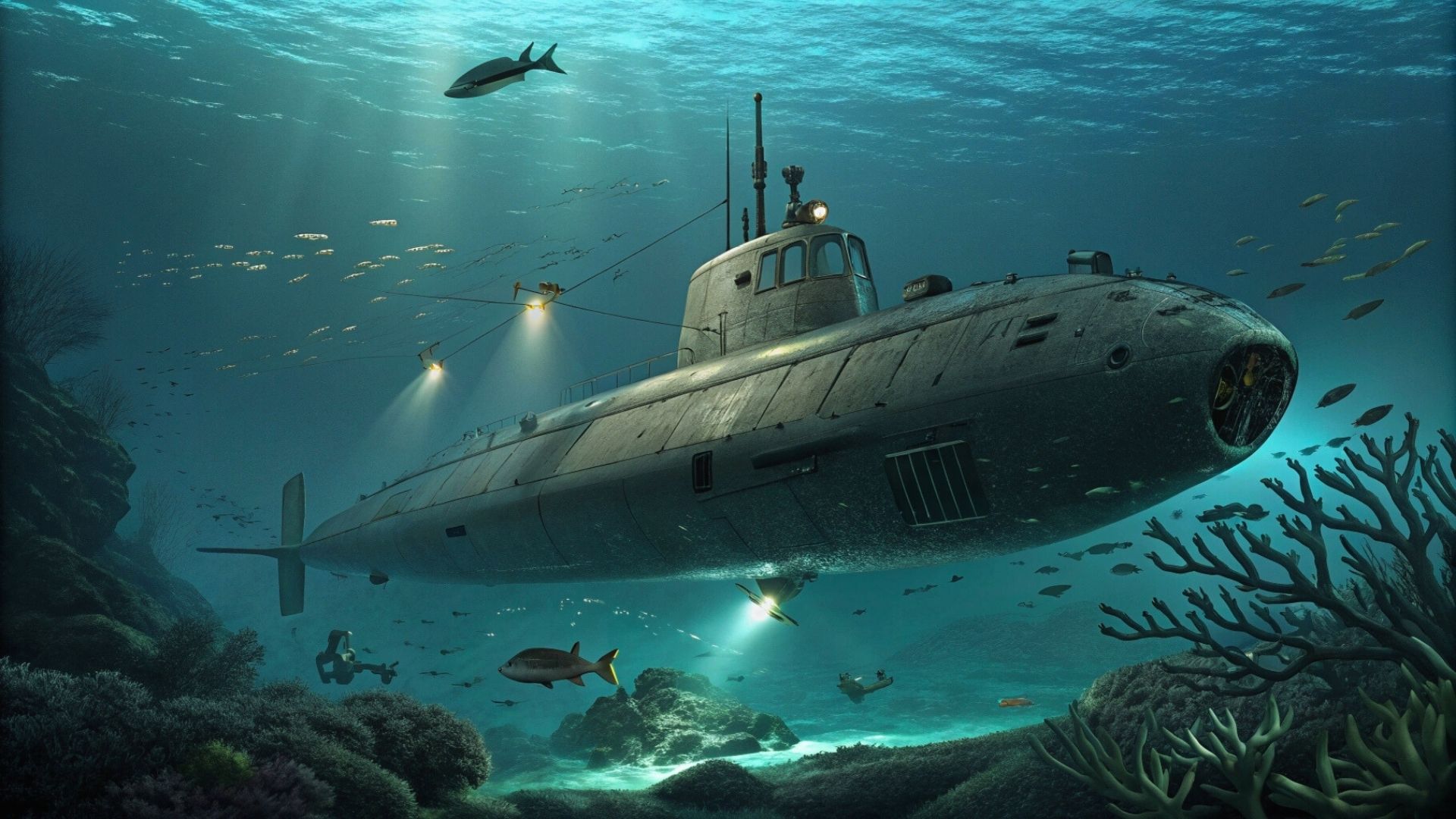
Conventional diesel-electric submarines primarily depend on onboard batteries while operating underwater. Periodically, they must approach the surface or operate at snorkel depth to run diesel generators and recharge their batteries, potentially increasing their exposure to detection.
Air Independent Propulsion addresses this limitation by enabling submarines to generate power without relying on atmospheric oxygen. This allows them to remain submerged for longer periods, improving stealth and providing greater flexibility during extended naval deployments.
India’s indigenous AIP system is based on advanced hydrogen fuel-cell technology. Its development involves complex engineering requirements, particularly in power generation, system integration and the safe handling of hydrogen under stringent operating conditions.
By reducing the need for frequent snorkelling, the technology is expected to improve the survivability of conventional submarines and strengthen their ability to conduct surveillance, deterrence and combat missions.
Hydrogen Fuel-Cell Technology and Industrial Collaboration
The indigenous AIP programme reflects sustained collaboration between DRDO, the Indian Navy and domestic industrial partners. NMRL has led the development of the energy module, while industry participation has supported the engineering and infrastructure requirements necessary to advance the system towards submarine integration.
Addressing the gathering, Defence Secretary Rajesh Kumar Singh congratulated DRDO scientists and industry partners on achieving the milestone. He recognised their technical contributions and described the programme’s progress as evidence of indigenous research and development translating into practical industrial capability.
Singh also acknowledged the Indian Navy’s continuing involvement in the programme, particularly its contribution to testing and validation throughout the development process.
He emphasised the need to maintain progress through subsequent stages to support the planned induction schedule. He also highlighted the importance of adhering to rigorous safety procedures associated with hydrogen and fuel-cell technologies.
Strengthening India’s Indigenous Naval Capabilities
The indigenous AIP programme forms part of India’s broader strategy to develop critical defence technologies domestically and reduce dependence on foreign suppliers. Underwater propulsion is particularly important for conventional submarines, where endurance, acoustic discretion and operational availability directly influence mission effectiveness.
Once integrated and successfully commissioned, the AIP-equipped Kalvari-class submarines are expected to benefit from extended underwater endurance and reduced exposure during snorkelling operations. These improvements could strengthen the Indian Navy’s ability to conduct persistent surveillance, maintain deterrence and undertake maritime operations across the Indian Ocean Region.
The STW-2 milestone also demonstrates the progress of India’s domestic naval research and manufacturing ecosystem in developing advanced propulsion technologies. The programme’s next stages, including power-generation trials, system validation and submarine integration, will be essential in determining the timeline for operational deployment.
With the indigenous AIP system moving closer to integration, India is advancing an important capability for its conventional submarine fleet while reinforcing its long-term objectives of technological self-reliance and modernisation of naval warfare systems.