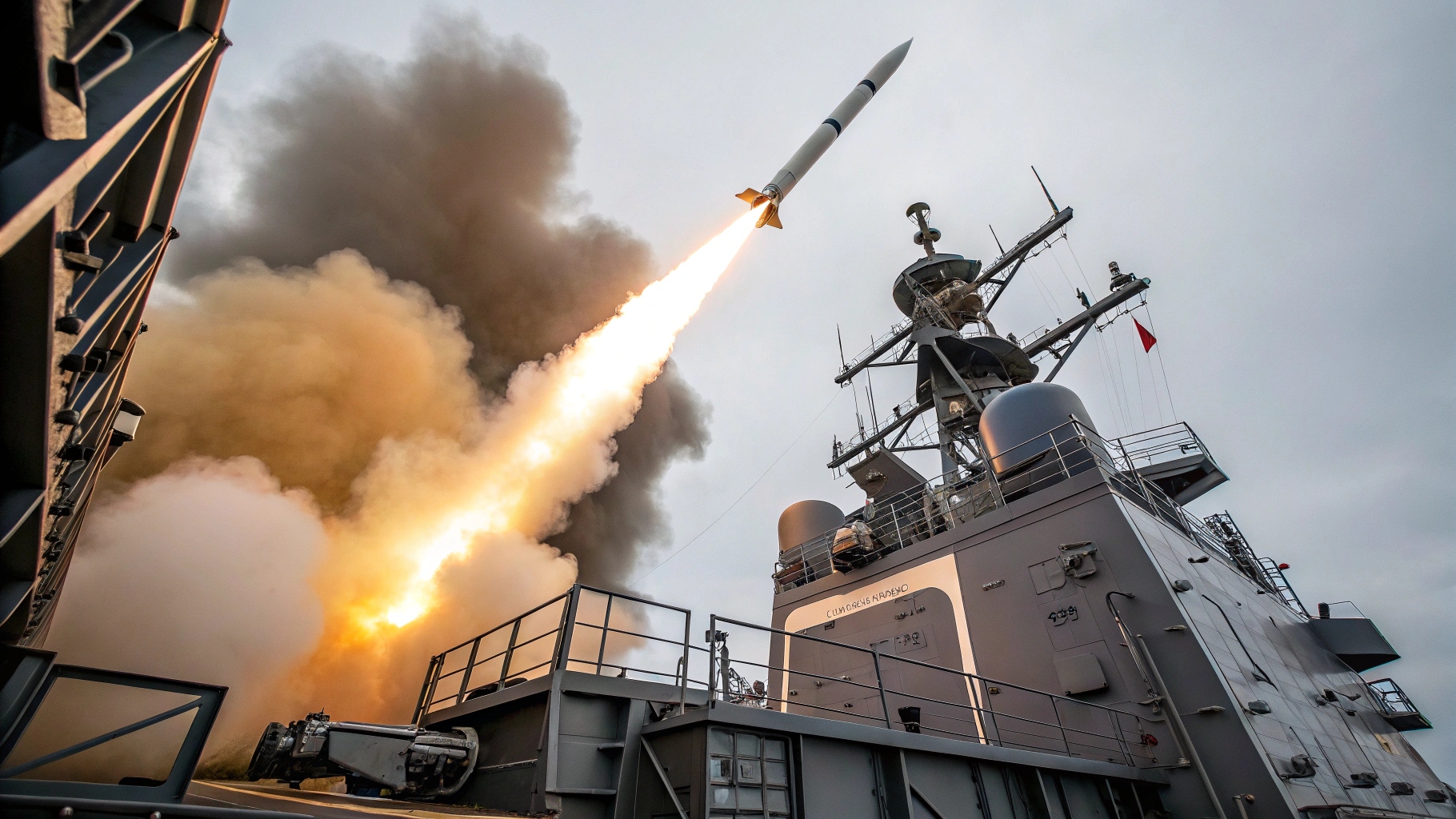

The reported battlefield performance of India’s BrahMos supersonic cruise missile during Operation Sindoor has emerged as a major factor behind growing international interest in the weapon. According to a report by The Week, the missile’s accuracy and effectiveness contributed to pressure on Pakistan to seek a ceasefire, while its reported ability to overcome Chinese-origin air-defence systems operated by Pakistan attracted attention from potential international customers.
India had already established BrahMos as an emerging defence-export product before the operation. In January 2022, New Delhi signed a $375 million agreement with the Philippines for three BrahMos missile batteries. Following Operation Sindoor, discussions with other prospective customers reportedly accelerated. Vietnam is said to have concluded a deal estimated at around $629 million, while Indonesia has reportedly finalised an agreement valued between $200 million and $300 million.
How the BrahMos Programme Began
The origins of BrahMos can be traced to 1997. At the time, A.P.J. Abdul Kalam was leading the Defence Research and Development Organisation (DRDO) and the Integrated Guided Missile Development Programme (IGMDP). India’s major missile programmes—Prithvi, Agni, Akash, Trishul and Nag—did not include a high-speed, terrain-following cruise missile, creating a capability gap that eventually contributed to the BrahMos initiative.
In 1997, a 27-member Indian delegation comprising DRDO scientists, officials from defence-sector organisations and private-industry representatives travelled to Reutov near Moscow. The team examined propulsion technology associated with Russia’s Oniks supersonic cruise missile and spent nearly three months evaluating the technology.
Following the discussions, India and Russia signed an inter-governmental agreement in 1998 that established the framework for what became BrahMos Aerospace. The programme received high-level political approval and was initially handled as a highly classified joint project involving DRDO and Russia’s NPO Mashinostroyeniya. Within DRDO, the development effort was referred to as PJ-10.
BrahMos in Operation Sindoor
Over subsequent decades, BrahMos evolved from a closely guarded Indo-Russian programme into one of India’s most prominent defence products and export offerings.
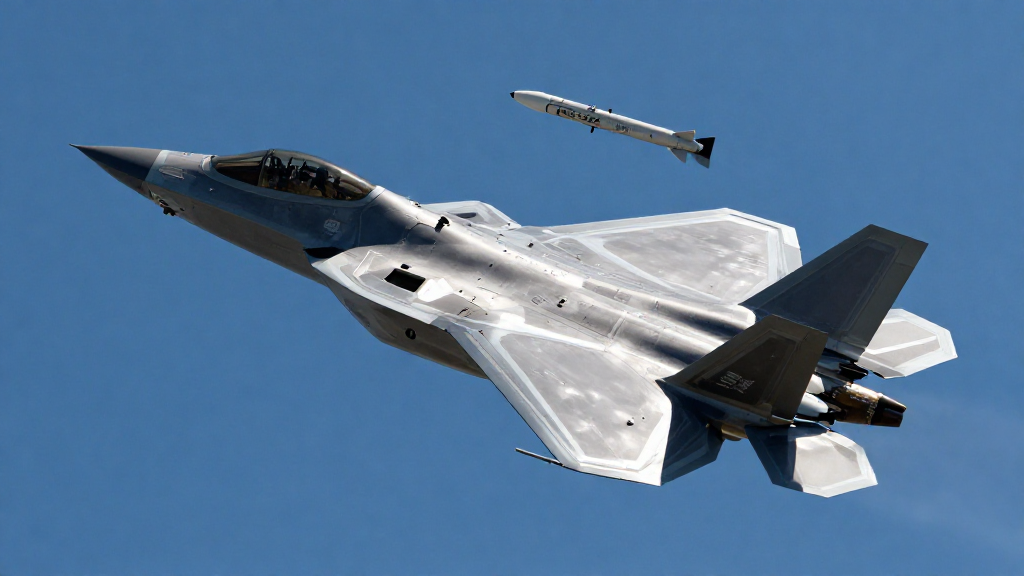
During Operation Sindoor in May 2025, the missile reportedly played a significant role in strikes against Pakistani military installations. According to sources cited by The Week, Indian fighter aircraft launched at least 15 BrahMos missiles while remaining on the Indian side of the international border.
The report attributed the operation’s impact to the missile’s accuracy and effectiveness, while also claiming that BrahMos successfully penetrated or evaded Chinese-origin air-defence systems operated by Pakistan. These reported battlefield results subsequently generated greater interest among countries seeking advanced precision-strike capabilities.
Expanding BrahMos Production
India has simultaneously expanded domestic manufacturing capacity for BrahMos. Production facilities are operational in Hyderabad, Nagpur and Pilani, while a newly commissioned facility in Lucknow has added another major manufacturing centre.
The four facilities are reportedly capable of producing at least four missiles per month each, with further expansion planned to address rising domestic and export requirements.
India also intends to increase the integration of BrahMos across its armed forces, including major naval vessels and fighter aircraft. International interest has reportedly extended to countries across Europe, West Asia, Latin America and Africa, with at least a dozen nations expressing interest in the system.
Next-Generation BrahMos Variants
Development is also continuing on new BrahMos configurations. Future variants are expected to broaden the missile’s deployment options, including concepts involving underwater launch capability and a smaller, lighter version.
A key long-term objective is to integrate increasingly indigenous BrahMos variants with India’s domestically developed combat aircraft, including the Tejas and future LCA Mk2. Greater domestic integration and manufacturing could further strengthen India’s defence-industrial ecosystem while supporting its ambitions to become a major exporter of advanced military technology.