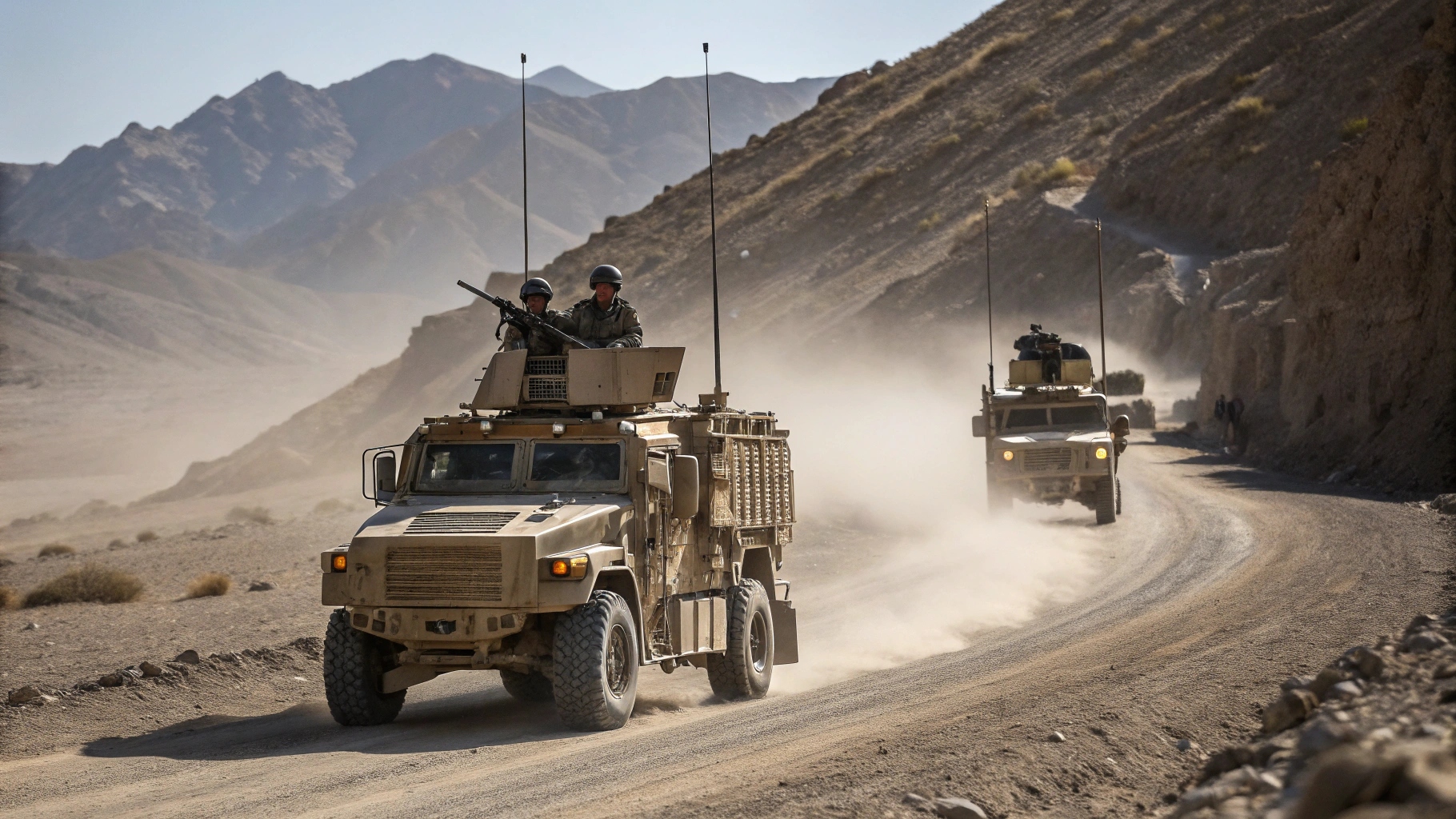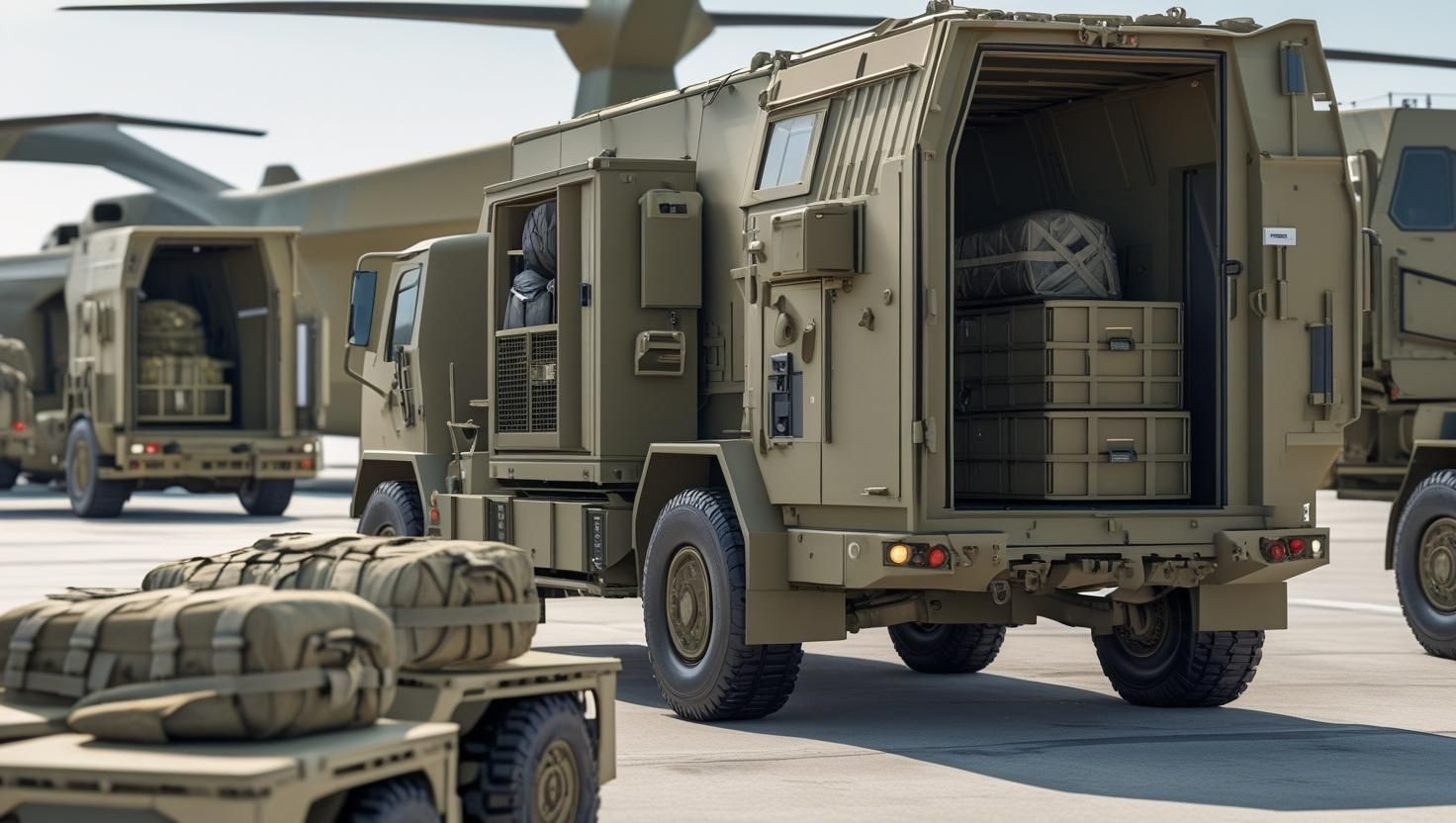
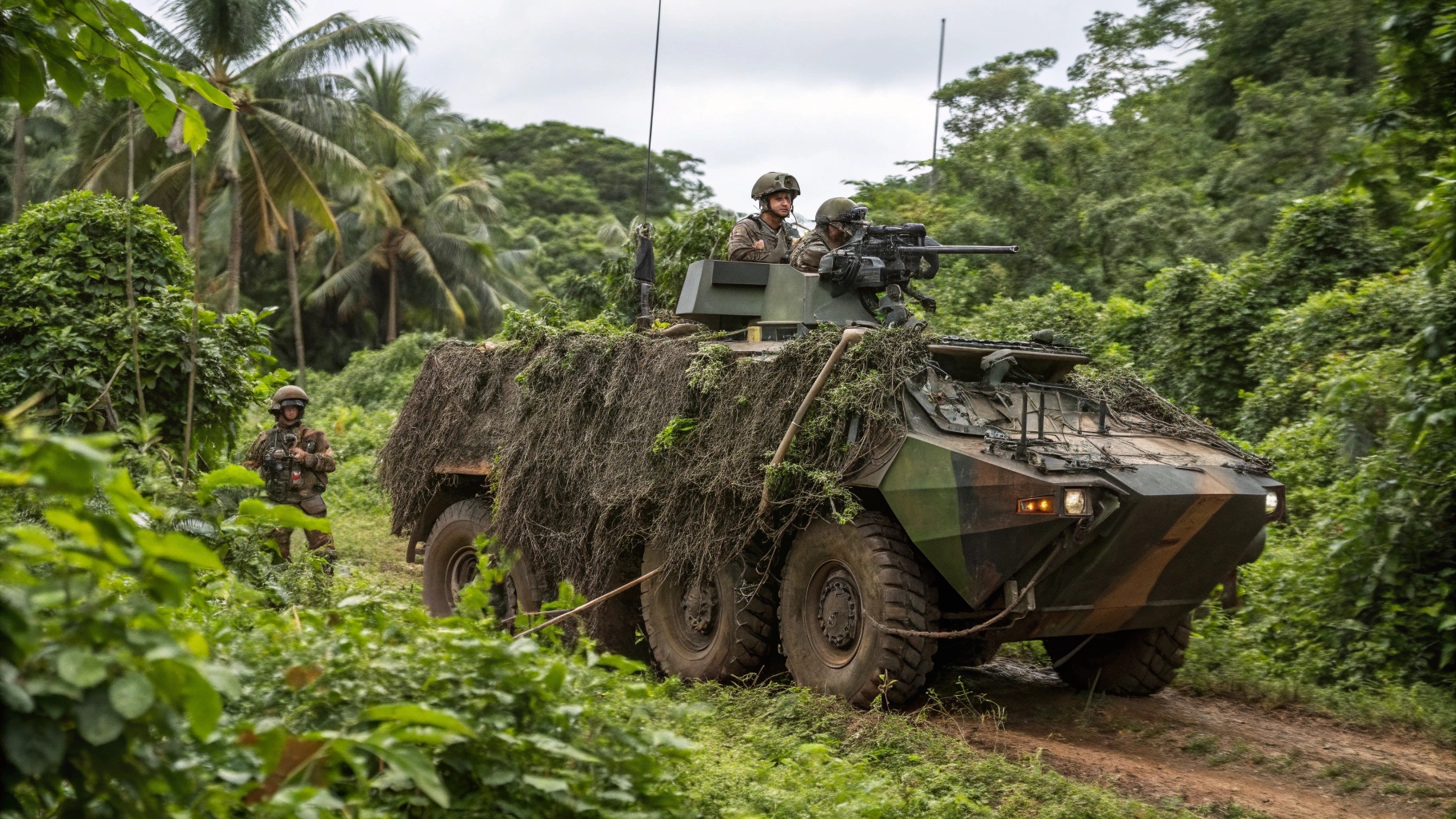
Indian Army has issued a Request for Information (RFI) for the procurement of 159 Bullet Proof Troop Carriers (BPTCs) for Rashtriya Rifles formations and related headquarters units, signaling a significant push to enhance force protection in counter-insurgency operations.
The initiative is also closely tied to India’s broader defense-indigenization strategy, with the Army seeking domestically developed and manufactured solutions under national self-reliance programs.
The RFI serves as an early-stage step in the acquisition process, aimed at refining Service Qualitative Requirements (SQRs) and identifying Indian companies with the technical capabilities and manufacturing infrastructure necessary to execute the project.
To ensure rapid deployment and scalability, the Army has stated that vendors must demonstrate the ability to manufacture at least 60 vehicles per year following contract award.
Supporting Make in India and Atmanirbhar Bharat
The procurement is being pursued under the Buy (Indian-IDDM) category outlined in the Defence Acquisition Procedure (DAP) 2020, reinforcing the government’s Make in India and Atmanirbhar Bharat programs.
This procurement category gives highest priority to systems that are designed, developed, and manufactured within India, maximizing domestic industrial participation and reducing reliance on imported defense equipment.
The Army has encouraged vendors to submit fully indigenous solutions tailored to operational requirements. Where complete localization is not feasible, companies are required to justify alternative procurement routes and provide certified details regarding indigenous content percentages.
The approach highlights the Ministry of Defence’s growing emphasis on local technology ownership, domestic production capability, and transparent indigenous-content verification.
Enhancing Mobility and Protection
The BPTCs are expected to play a crucial role for Rashtriya Rifles units engaged in counter-insurgency operations in difficult and high-risk environments.
The vehicles are intended to provide improved protection against small-arms fire, ambushes, and improvised explosive devices while retaining the mobility and reliability needed for sustained deployment across varied terrain.
By advancing the project under the Indian-IDDM framework, the Army is simultaneously addressing an urgent operational requirement and fostering growth within India’s domestic defense-manufacturing sector.
The program is likely to draw participation from both public-sector defense companies and private industry players, potentially driving further innovation and competition in the protected mobility segment of India’s defense ecosystem.