
BAE Systems plans to increase production of its Advanced Precision Kill Weapon System (APKWS) guidance kits to as many as 35,000 units annually under a new procurement framework with the US Department of Defense. The expansion aims to meet growing demand for precision-guided weapons, including systems used in counter-drone operations.
The agreement establishes a procurement framework lasting up to seven years. BAE Systems will expand manufacturing capacity while negotiating a separate multiyear contract with the Pentagon. The US Department of Defense has set an initial target of up to 25,000 guidance kits annually for American forces, with the potential to increase production to 35,000 units as allied nations request additional supplies through the Foreign Military Sales (FMS) programme.
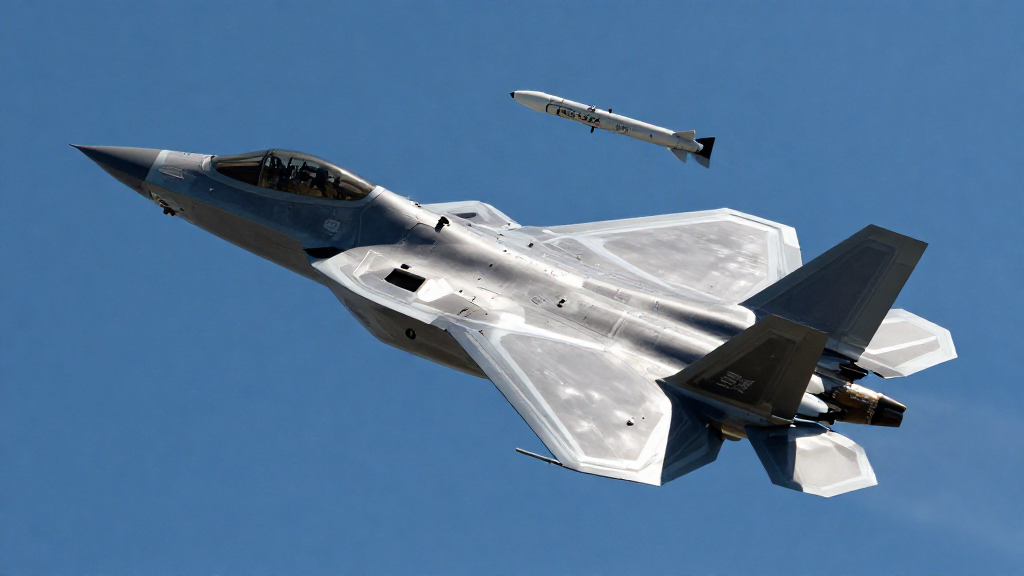
APKWS guidance kits convert unguided 2.75-inch (6.9-centimetre) rockets into laser-guided munitions. The system supports multiple engagement profiles, including air-to-surface, surface-to-surface, surface-to-air and air-to-air missions. BAE Systems manufactures the kits at its facilities in Hudson, New Hampshire, and Austin, Texas.
US Expands APKWS Procurement and Counter-Drone Capabilities
The latest framework follows a major US Navy contract awarded to BAE Systems in December 2025. Valued at up to $1.7 billion over five years, the agreement included an initial order worth $322 million for APKWS guidance kits and supports continued production for US military requirements and potential foreign military sales.
Separate initiatives are also enhancing APKWS capabilities against unmanned aerial threats. L3Harris Technologies received a $48.5 million contract to supply its Fixed Wing, Air Launched, Counter-Unmanned Aircraft Systems Ordnance mechanical proximity fuzes for integration into upgraded versions of the system.
The proximity-fuze technology is designed to detonate a warhead near a target, reducing the need for a direct impact. Combined with increased guidance-kit production, these developments could strengthen the availability of relatively low-cost precision weapons for countering drones and other battlefield threats.