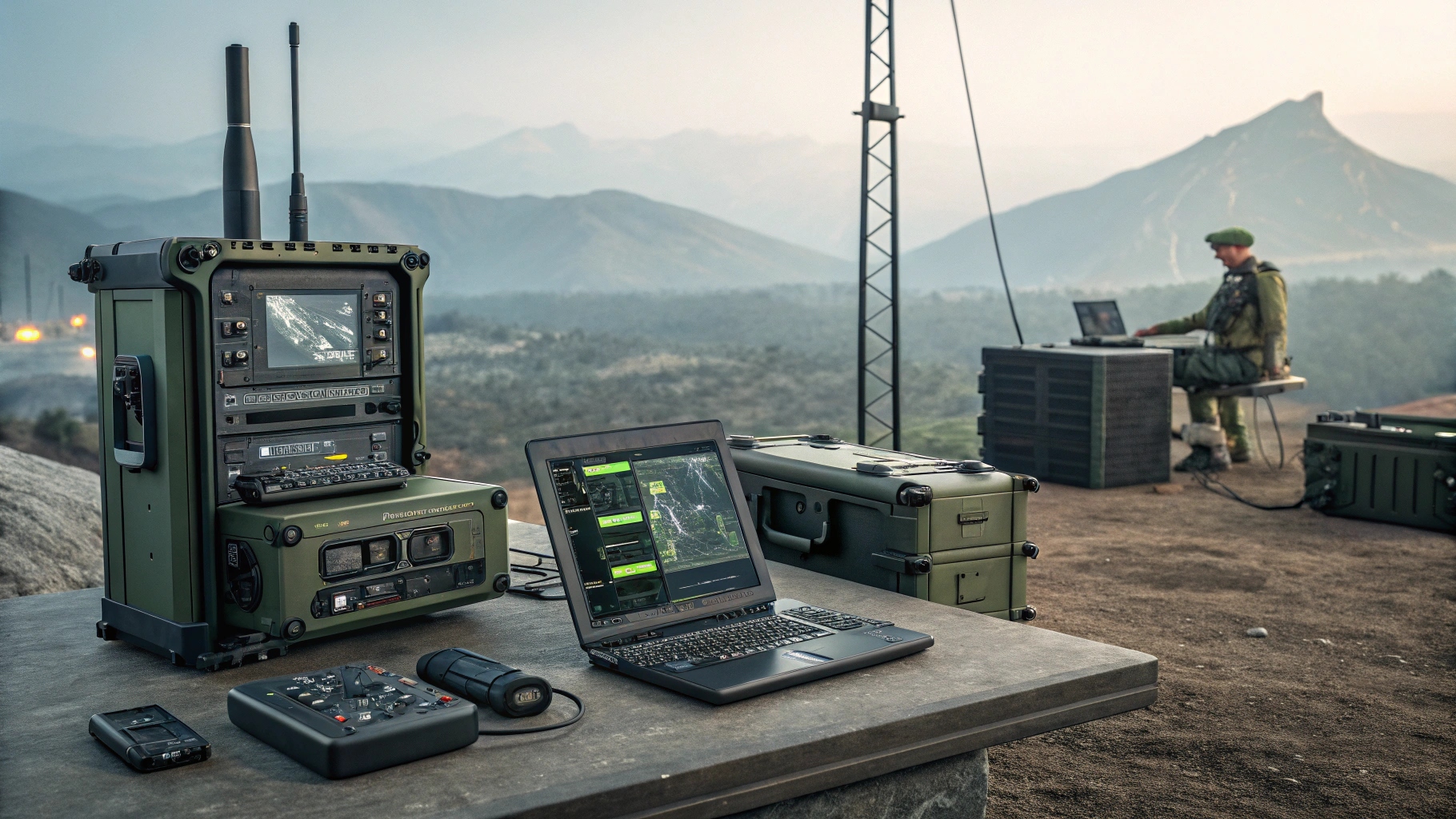

L3Harris Technologies and Skydio have integrated tactical communications technology into the X10D unmanned aerial vehicle (UAV) to help maintain control links and transmit mission data in environments affected by electronic warfare.
The integration combines Skydio’s autonomous drone platform with L3Harris’ Falcon IV embeddable radios and Wraith waveform technology, which governs how communication signals are transmitted and received. According to L3Harris, the combined solution incorporates multiple layers of protection against jamming, helping operators maintain connectivity in contested electromagnetic environments.
The integration is designed to preserve communication between operators and the drone while enabling the transmission of mission data and location information across military networks, even when communications are disrupted. By leveraging open-system architectures, the solution connects the X10D with L3Harris’ tactical communications equipment.
More than 150,000 tactical radios already deployed with US and allied forces support the Wraith waveform, potentially allowing military operators to integrate the drone into existing radio networks without requiring an entirely new communications infrastructure.
Skydio X10D: Autonomous Surveillance and Reconnaissance Capabilities
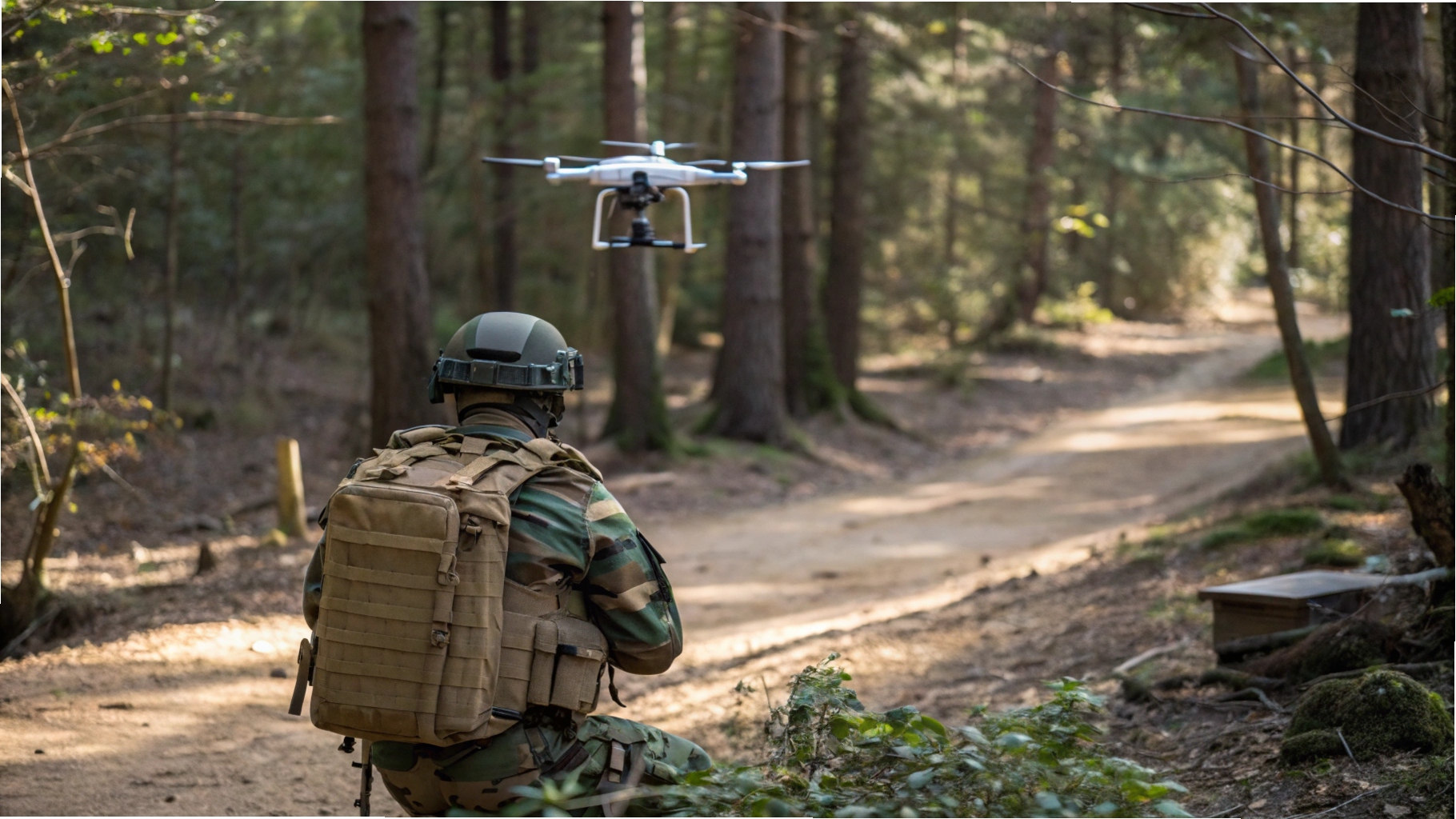
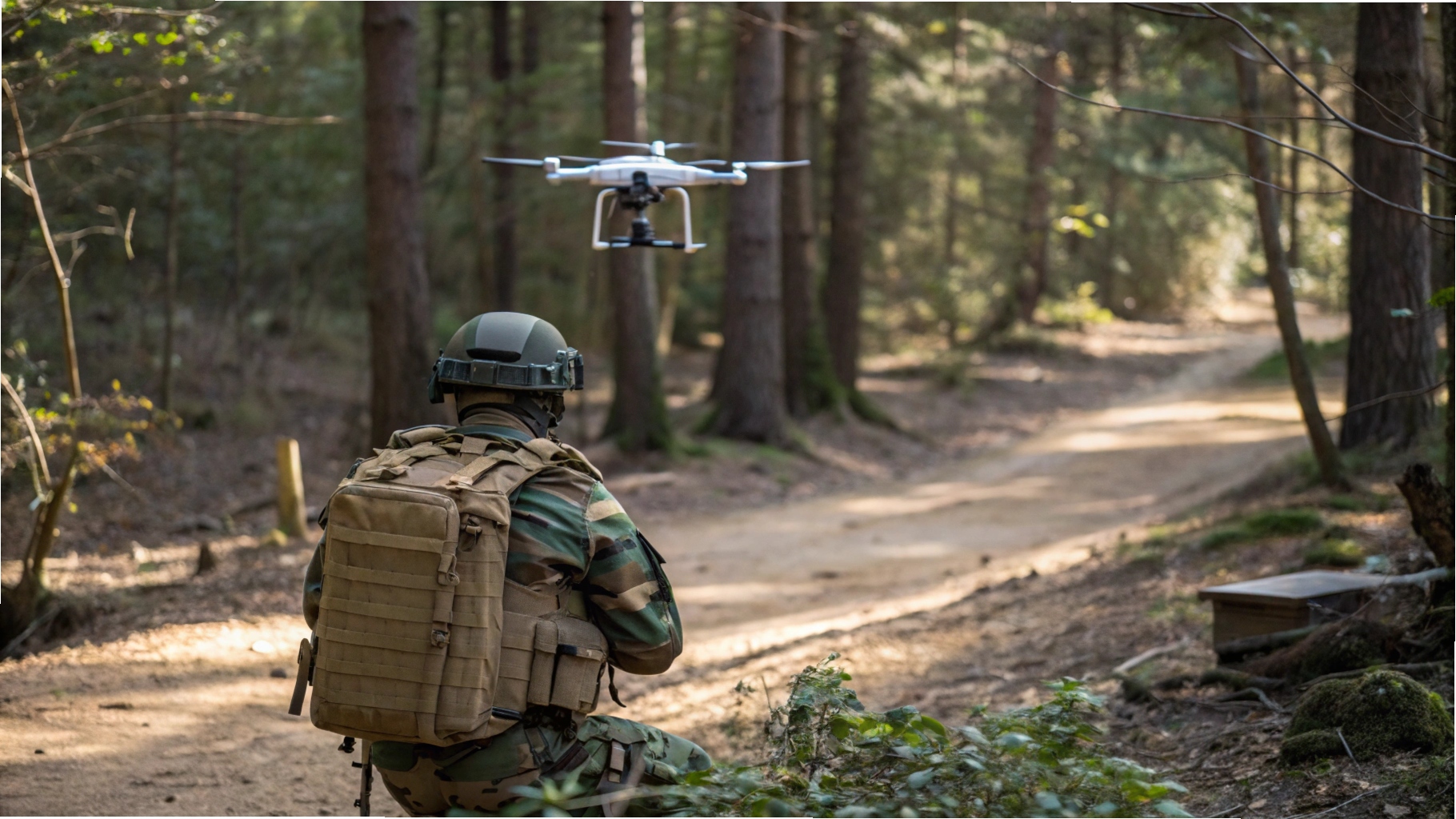
The Skydio X10D is a compact unmanned aircraft designed for military operations, surveillance, reconnaissance, and inspection missions. It features interchangeable visible-light and thermal imaging payloads, allowing operators to adapt the aircraft to different operational requirements.
According to Skydio, the drone can reach speeds of up to 45 miles per hour (72 kilometres per hour) and can be deployed in less than 40 seconds.
The X10D’s navigation system combines camera imagery with motion sensors to estimate its position when satellite navigation signals are unavailable or disrupted. Operators can also establish visual reference points to support autonomous navigation and return-to-home flights without relying on GPS.
Available payload configurations include a 64-megapixel visible-light camera and a Teledyne FLIR Boson+ thermal sensor with a resolution of 640 × 512 pixels. Another configuration incorporates a 48-megapixel telephoto camera for observing distant objects, while an alternative setup combines a wide-angle camera with an integrated light for close-range inspections.
The integration of L3Harris communications technology with Skydio’s autonomous platform highlights the growing emphasis on resilient connectivity for military drones. As electronic warfare threats increasingly challenge unmanned operations, combining autonomous navigation with protected tactical communications could help maintain operational effectiveness in environments where conventional communication and satellite navigation systems are degraded or unavailable.