AeroVironment and Taiwan-based Thunder Tiger have signed a memorandum of understanding (MoU) to explore integrating Switchblade loitering munitions with unmanned surface vessels and ground vehicles. The agreement also includes discussions on potential joint drone manufacturing and technology development in Taiwan.
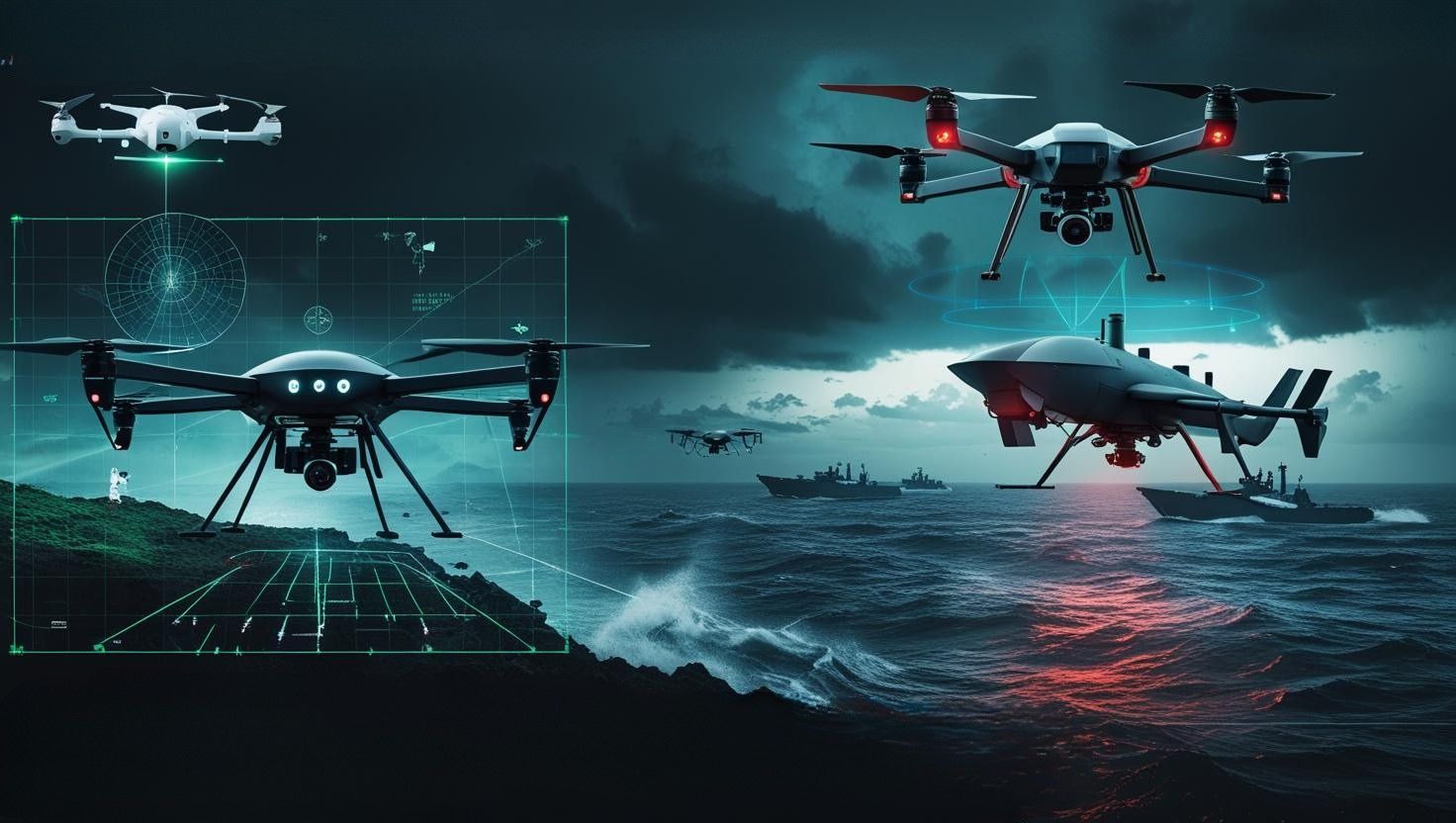
One proposed concept involves equipping a Thunder Tiger unmanned surface vessel (USV) with a launcher capable of carrying multiple Switchblade loitering munitions. The companies will evaluate system compatibility and consider conducting demonstrations to assess the feasibility of the integration.
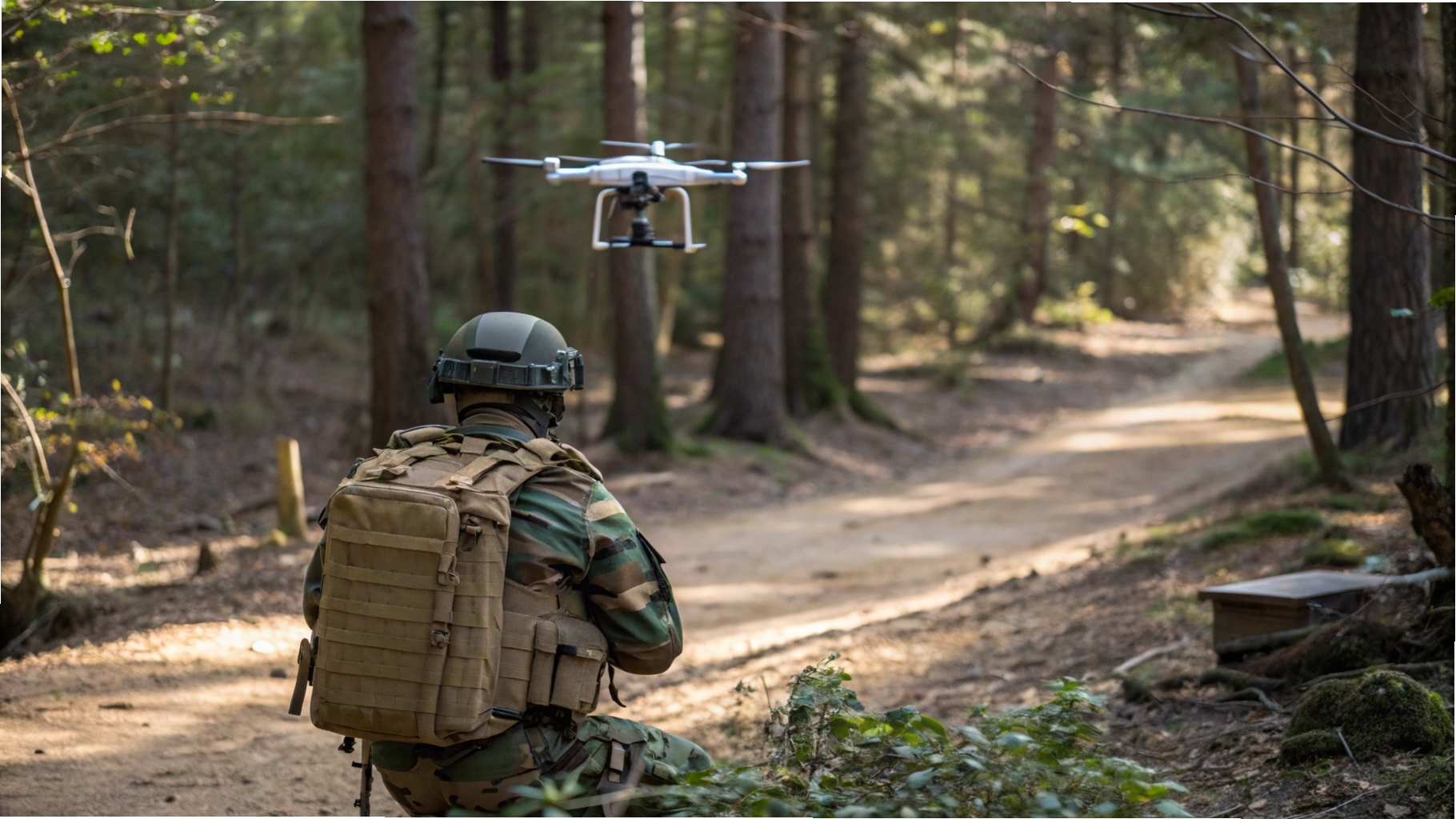
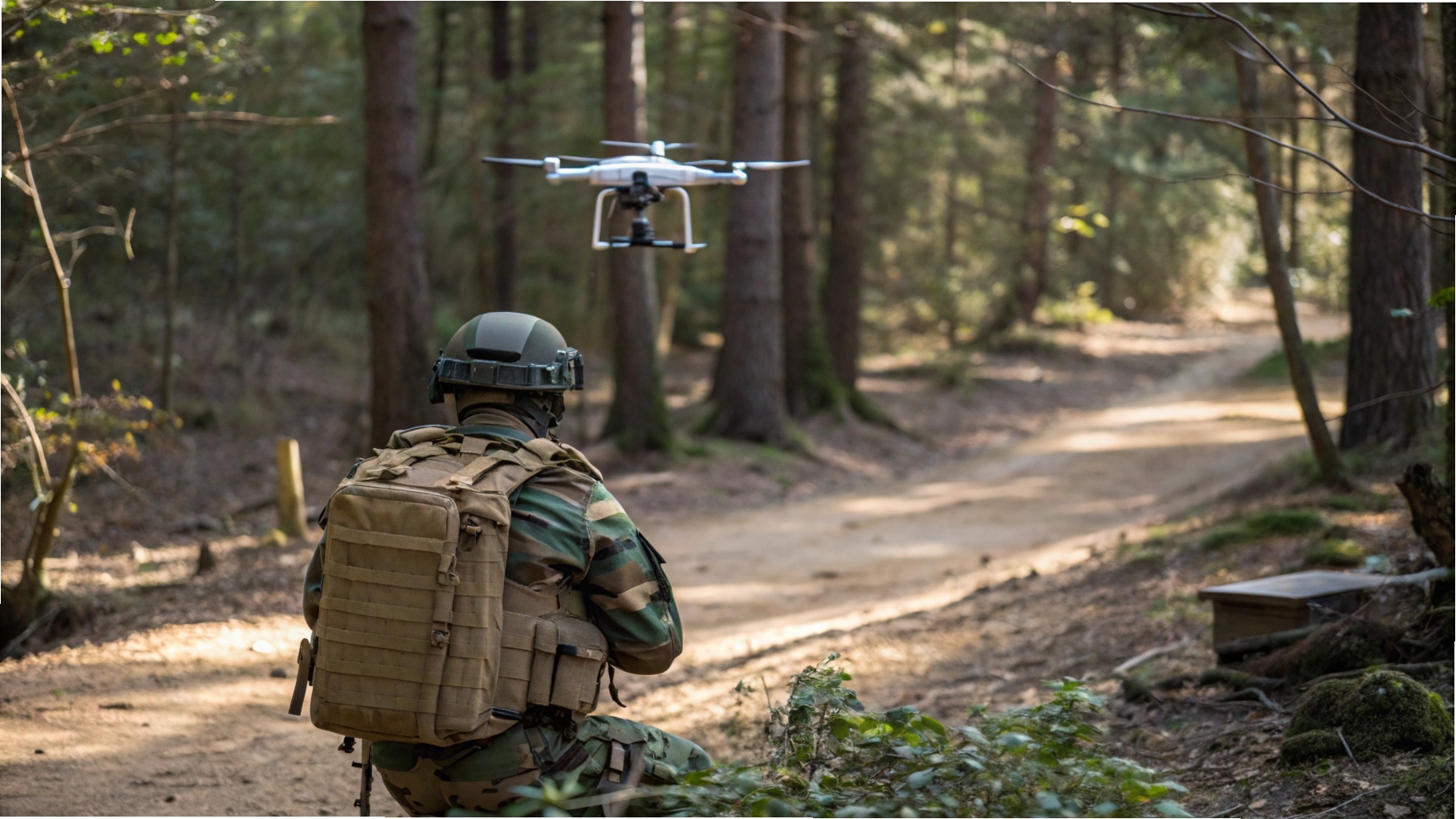
Switchblade loitering munitions are launched aerial systems designed to search for targets before striking them, destroying themselves upon impact. According to AeroVironment, integrating these systems with uncrewed platforms could expand deployment options across land and maritime environments.
The MoU was signed during the Association of the US Army’s annual exhibition in Washington, covering potential collaboration in drone production and technology development in Taiwan.
Taiwan Strengthens Its Domestic Drone Supply Chain
The partnership comes as Taiwan accelerates efforts to expand its domestic drone manufacturing capabilities and reduce reliance on components sourced from China.
Last month, Taiwanese President Lai Ching-te inaugurated the Minxiong aerospace and drone campus at the National Chung-Shan Institute of Science and Technology, the country’s state-owned defence research and development organisation.
Designed to accommodate approximately 100 companies, the campus will bring together facilities for drone design, airframe assembly, and testing. Engineers will also use digital twins—virtual representations of aircraft—to evaluate designs and improve development processes before flight testing.
An adjoining industrial park is expected to connect manufacturers, government agencies, and universities through shared computing resources and engineering facilities. The initiative aims to strengthen local research, manufacturing, and supply-chain capabilities while supporting Taiwan’s broader ambitions in unmanned systems development.