
Malaysia’s interest in acquiring the BrahMos air-to-surface missile system could broaden its defence partnerships and provide Kuala Lumpur with an additional strategic and economic partner in India, according to a report by IANS citing the South China Morning Post.
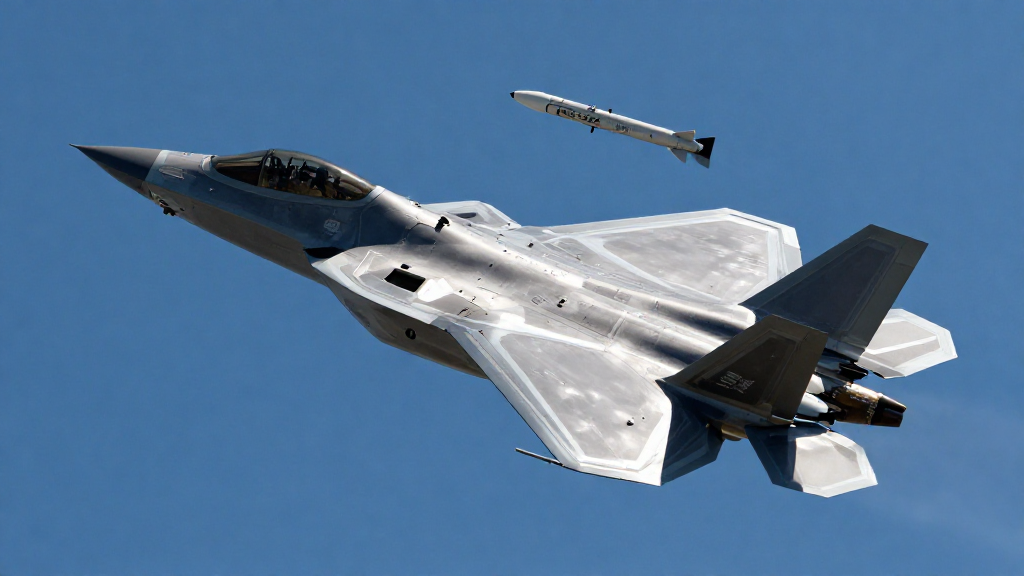
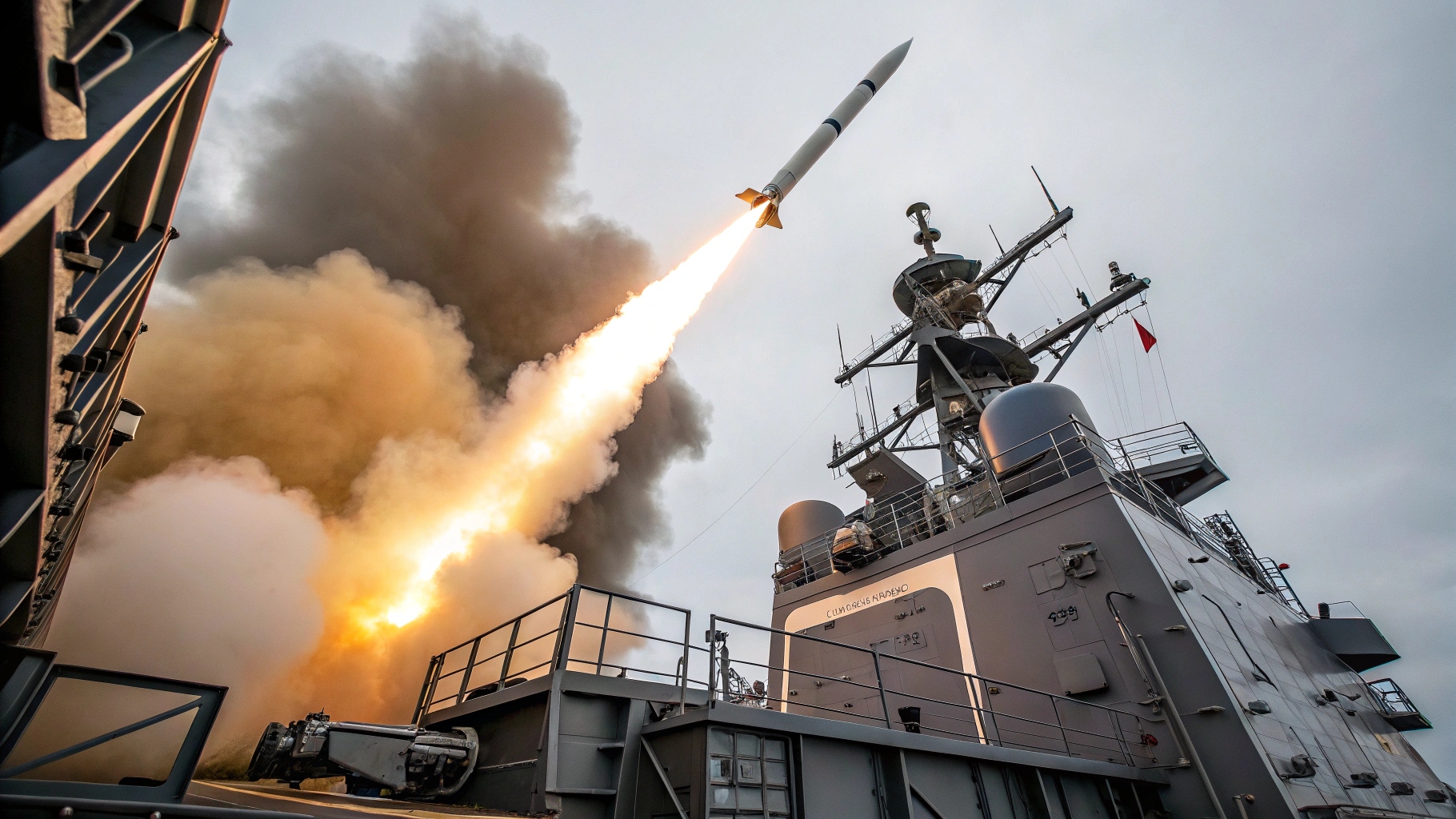
BrahMos is a supersonic cruise missile developed jointly by India and Russia and is designed for precision strikes against land and maritime targets.
Malaysia’s interest in the system emerged during Prime Minister Anwar Ibrahim’s September visit to New Delhi for the BRICS Summit. Following his meeting with Prime Minister Narendra Modi, Anwar confirmed that Malaysia was exploring the possibility of acquiring BrahMos. However, no final procurement decision, contract, quantity, price, or delivery schedule has been announced.
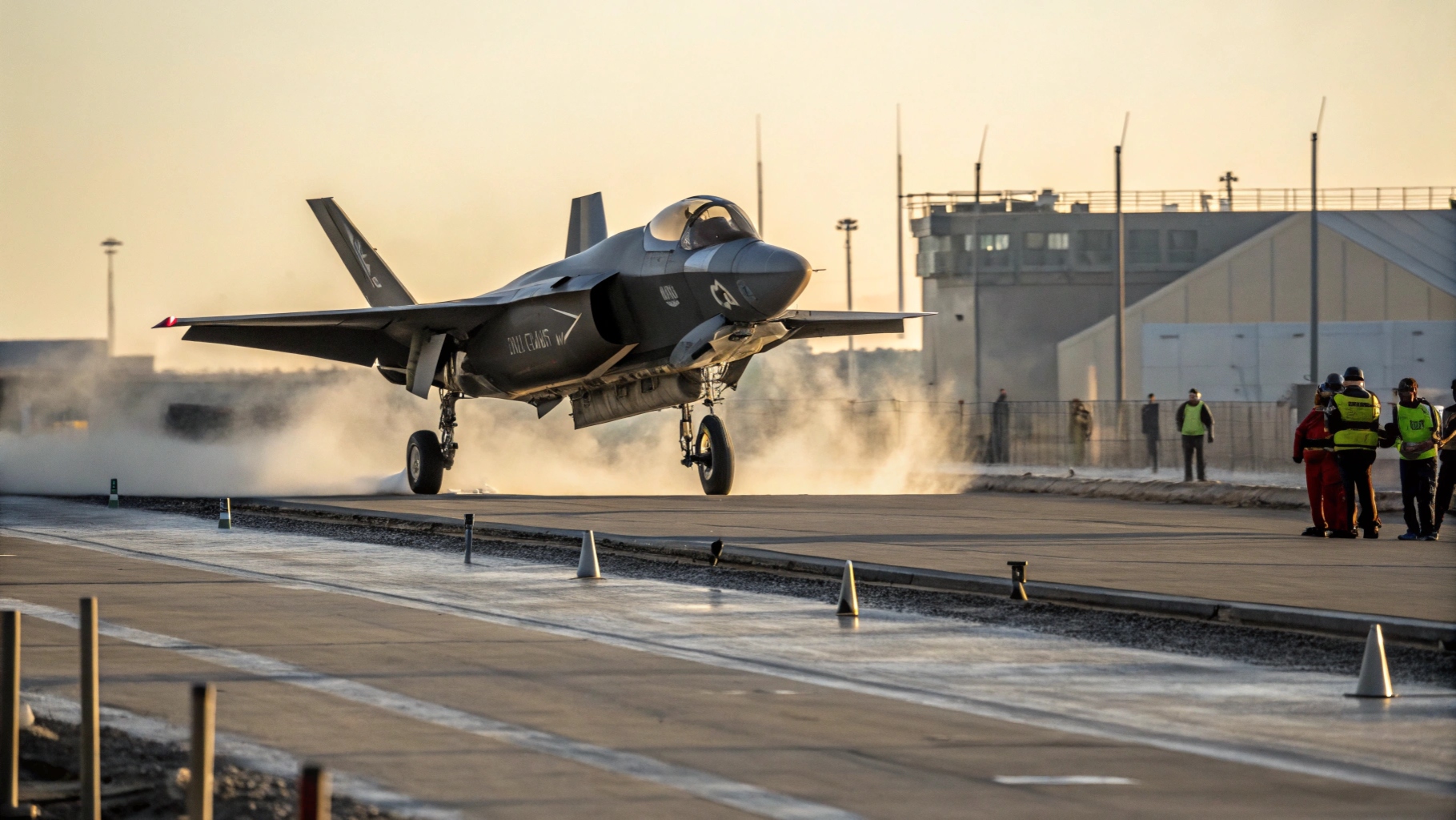
One potential option could involve integrating an air-launched BrahMos variant with Malaysia’s Russian-origin Su-30MKM fighter fleet. Such an integration would require extensive technical assessments, aircraft modifications, avionics and software compatibility testing, crew training, maintenance infrastructure, missile storage facilities, and supporting command-and-control systems.
An acquisition could add another long-range maritime-strike capability to Malaysia’s defence inventory, including in the South China Sea, where Malaysia and China have overlapping maritime claims. However, the capabilities available to Malaysia would ultimately depend on the specific BrahMos configuration, export arrangements, and applicable regulations.
Strategic analyst Kamles Kumar, quoted by SCMP, said deeper defence cooperation with India could give Malaysia another significant economic and security partner while allowing Kuala Lumpur to maintain relationships across different strategic groupings. He also noted that BrahMos’ range and versatility could influence perceptions of Malaysia’s deterrence posture in the South China Sea.
Kumar further suggested that Malaysia would need to clearly communicate that any potential acquisition was intended to strengthen national defence rather than target a particular country. Such an approach would be consistent with Kuala Lumpur’s broader effort to diversify its international defence relationships while maintaining strategic autonomy.
The BrahMos discussions form part of a broader expansion in India-Malaysia relations. During the September 2026 BRICS Summit, Modi and Anwar reviewed cooperation in areas including defence and security, trade and investment, semiconductors, infrastructure, digital technologies, energy, and education. Both governments also reaffirmed their commitment to advancing the India-Malaysia Comprehensive Strategic Partnership.
Economic ties remain an important component of the relationship. According to the report, Malaysia-India trade reached 79.3 billion ringgit in 2025, compared with more than 900 billion ringgit in combined trade with the United States and China. Malaysian economic and strategic advisers cited in the report said stronger relations with India should be viewed as an effort to expand Kuala Lumpur’s long-term economic and strategic options rather than simply as a move away from either China or the United States.
If the exploratory BrahMos discussions eventually result in a procurement agreement, the deal could expand India’s defence-export presence in Southeast Asia while giving Malaysia another option for strengthening its maritime-strike capabilities and diversifying its network of defence suppliers.