
BAE Systems Explores ‘Make in India’ Production for Tridon Mk 2 V-SHORADS Platform
BAE Systems is considering local production of its Tridon Mk 2 mobile air defence system in India as the company seeks to participate in the Indian Army’s forthcoming Very Short-Range Air Defence System (V-SHORADS) acquisition programme.
Tony Walton, Managing Director of BAE Systems India, told Janes that the company is assessing opportunities to collaborate with Indian industry for domestic manufacturing of the Swedish-designed system. The proposal reflects BAE Systems’ commitment to supporting India’s “Make in India” initiative, which increasingly prioritizes localized production and technology transfer in major defence procurements.
The establishment of an Indian production line, however, remains dependent on the Tridon Mk 2 being selected through the Ministry of Defence’s procurement process.
Overview of the Tridon Mk 2
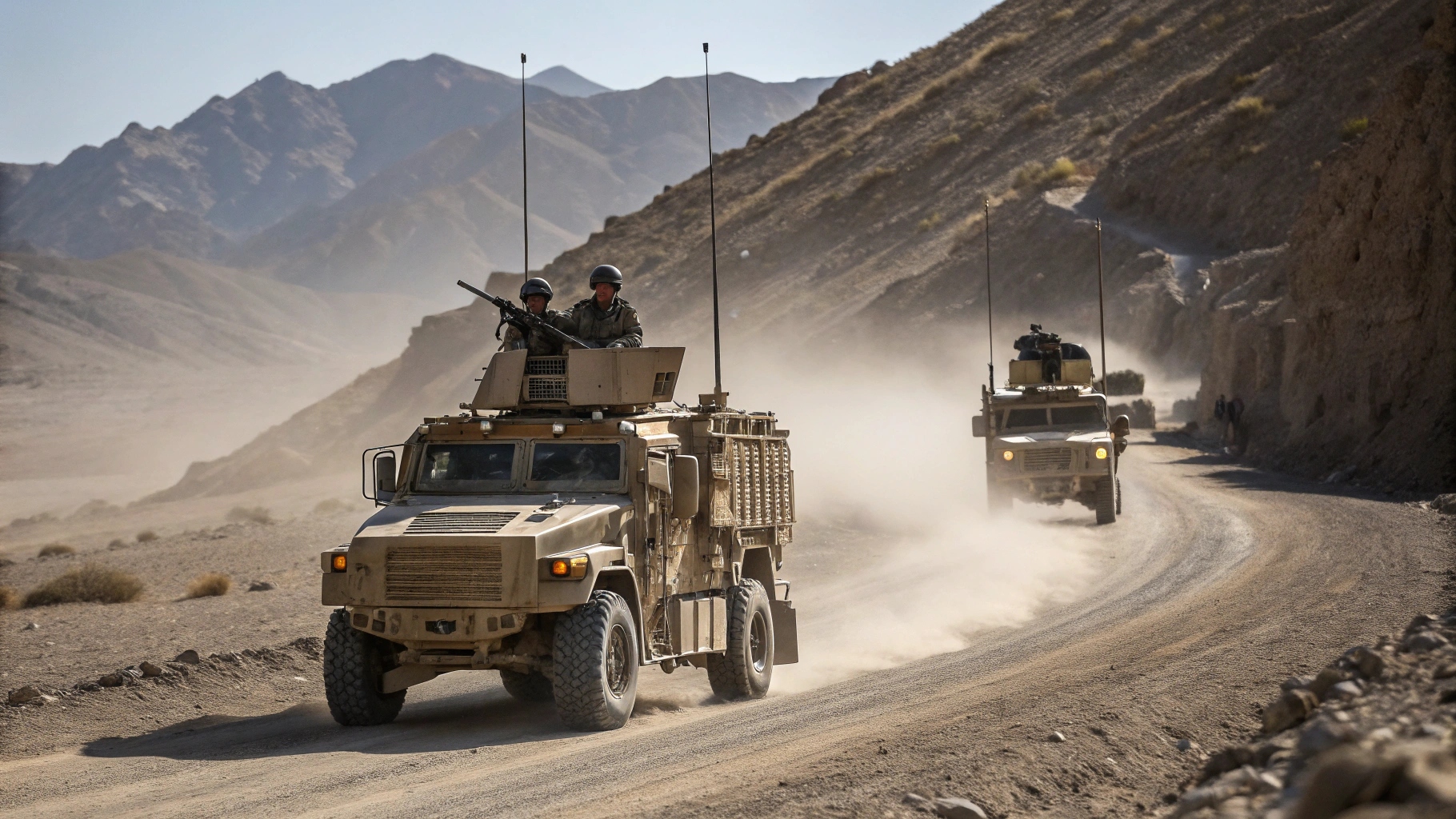
Manufactured by BAE Systems Bofors, the Tridon Mk 2 is a highly mobile anti-aircraft artillery system equipped with an upgraded version of the combat-proven Bofors 40 mm cannon. The platform has been developed to counter a wide spectrum of low-altitude threats, including fighter aircraft, helicopters, cruise missiles, unmanned aerial systems, and small drones.
As drone warfare continues to reshape modern battlefields, gun-based air defence systems capable of delivering rapid, high-volume fire have gained renewed importance for protecting military formations and critical infrastructure.
India’s Expanding Air Defence Requirements
The potential induction of Tridon Mk 2 comes as India accelerates the modernization of its layered air defence network. In July 2026, the Defence Acquisition Council approved the acquisition of a new V-SHORADS capability under a wider capital procurement package valued at several thousand crore rupees.
The future system is expected to incorporate advanced multi-spectral sensors designed to improve detection accuracy while maintaining effectiveness against electronic warfare and countermeasure environments.
Recent operational lessons have reinforced the urgency of strengthening India’s short-range air defence capability. During Operation Sindoor, Pakistan reportedly employed a combination of drones, Fatah-II ballistic missiles, and CM-400AKG supersonic missiles against Indian targets, highlighting the need for rapidly deployable systems capable of neutralizing low-altitude aerial threats.
BAE Systems’ Localization Vision
BAE Systems has indicated that it sees significant potential in India’s defence manufacturing ecosystem and believes domestic companies possess the capability to absorb the technologies required for Tridon Mk 2 production.
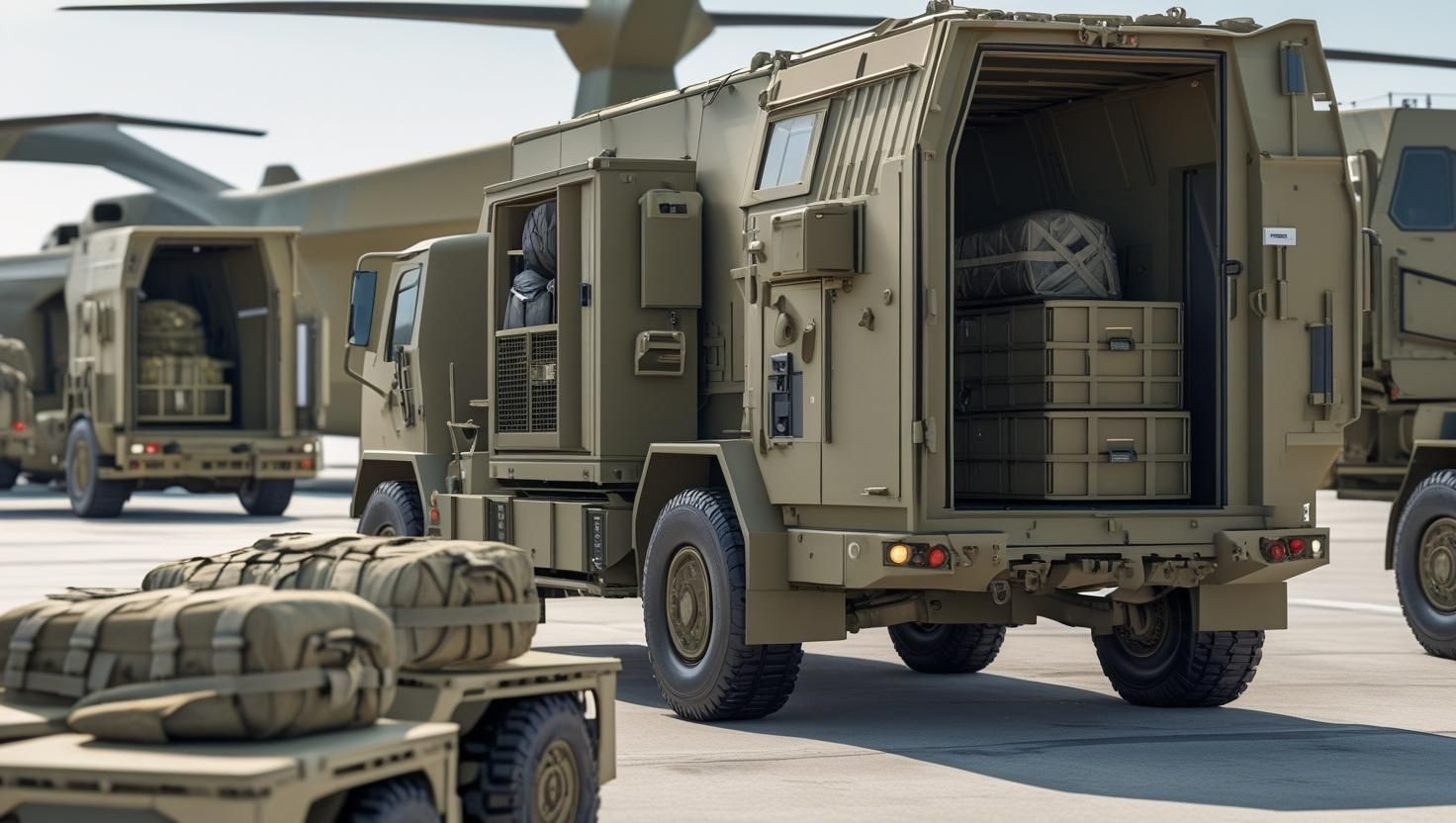
The company has stated that its long-term objective is for Tridon Mk 2 systems supplied to the Indian Army to be manufactured locally through an Indian industrial partner rather than delivered as imported equipment.
At present, BAE Systems has not identified any prospective Indian partners, confirmed ongoing negotiations, or specified the exact procurement programme under which the system is being offered. This approach reflects the early stage of engagement, where foreign defence companies typically announce localization intentions ahead of formal tender issuance.
Part of a Multi-Layered Air Defence Strategy
The Tridon Mk 2 proposal complements India’s broader investment in integrated air defence capabilities. Recent approvals by the Defence Acquisition Council also include the Akash Tarang anti-UAV electronic warfare system, MR-SAM medium-range surface-to-air missiles, and continued deployment of the S-400 long-range air defence system.
Collectively, these programmes are intended to establish a comprehensive, multi-layered defensive shield capable of engaging threats across every altitude—from long-range missiles and combat aircraft to helicopters, loitering munitions, and commercial drones.
Future Prospects
Whether Tridon Mk 2 ultimately enters service with the Indian Army will depend on its performance during future evaluations, its formal selection under India’s procurement process, and BAE Systems’ ability to establish an effective domestic manufacturing partnership that satisfies indigenization and offset requirements.
With its combination of the proven Bofors 40 mm weapon system, advanced fire-control technology, high mobility, and compatibility with India’s localization goals, the Tridon Mk 2 is positioned as a credible candidate for the country’s next-generation V-SHORADS capability.