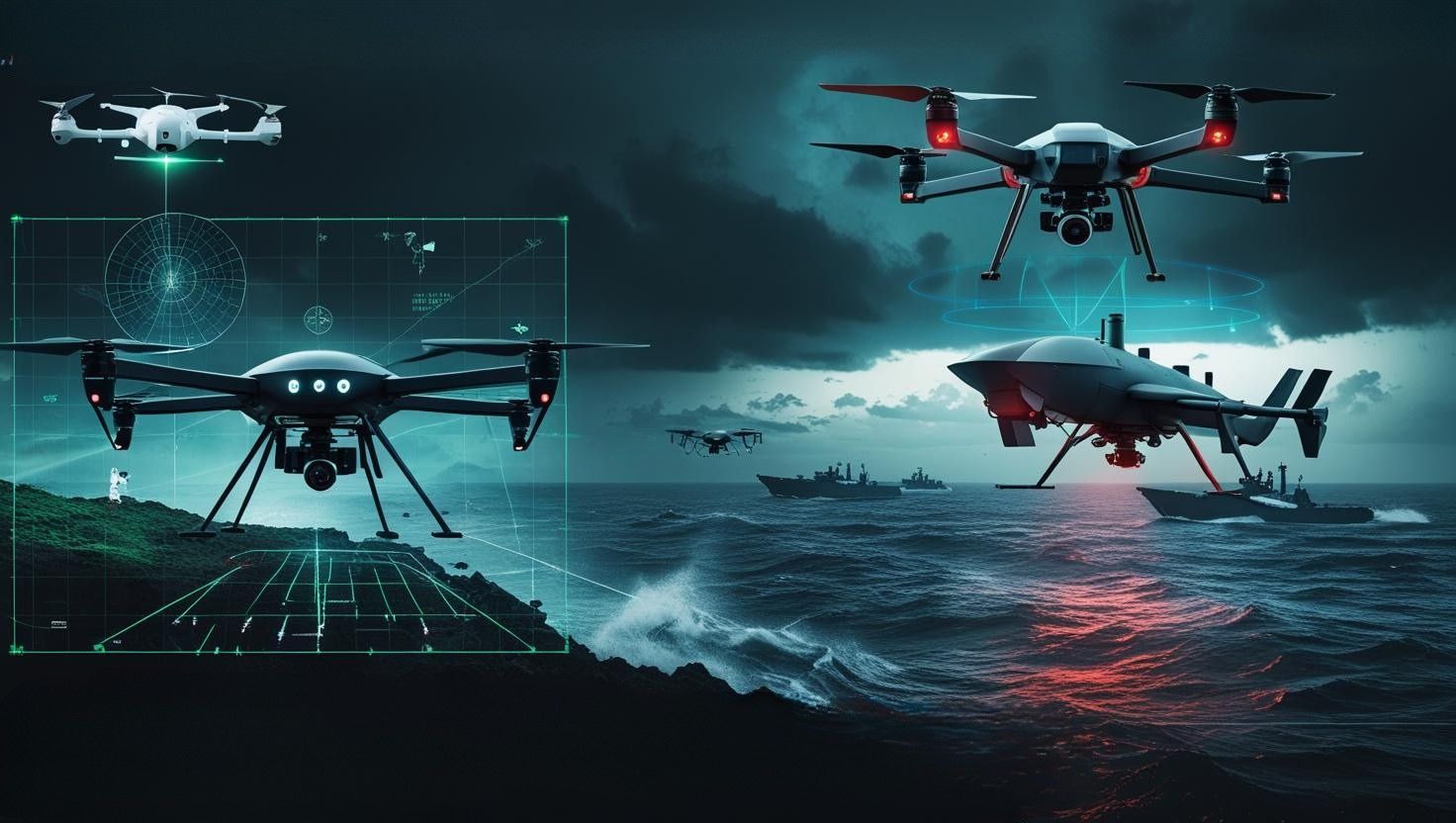

Hild Defence and Aerospace has won a series of Indian Army contracts for its locally developed drone systems, marking another step in the military’s push to expand its inventory of indigenous tactical UAVs and loitering munitions.
At Def-Tech 2026 in Bengaluru, company officials confirmed that the Army has chosen the Atlas heavy-lift attack drone and the Talon FPV kamikaze UAV for operational deployment. The selections align with the Army’s ongoing modernization efforts, which have increasingly prioritized cost-effective unmanned systems following the extensive battlefield use of drones in recent international conflicts.
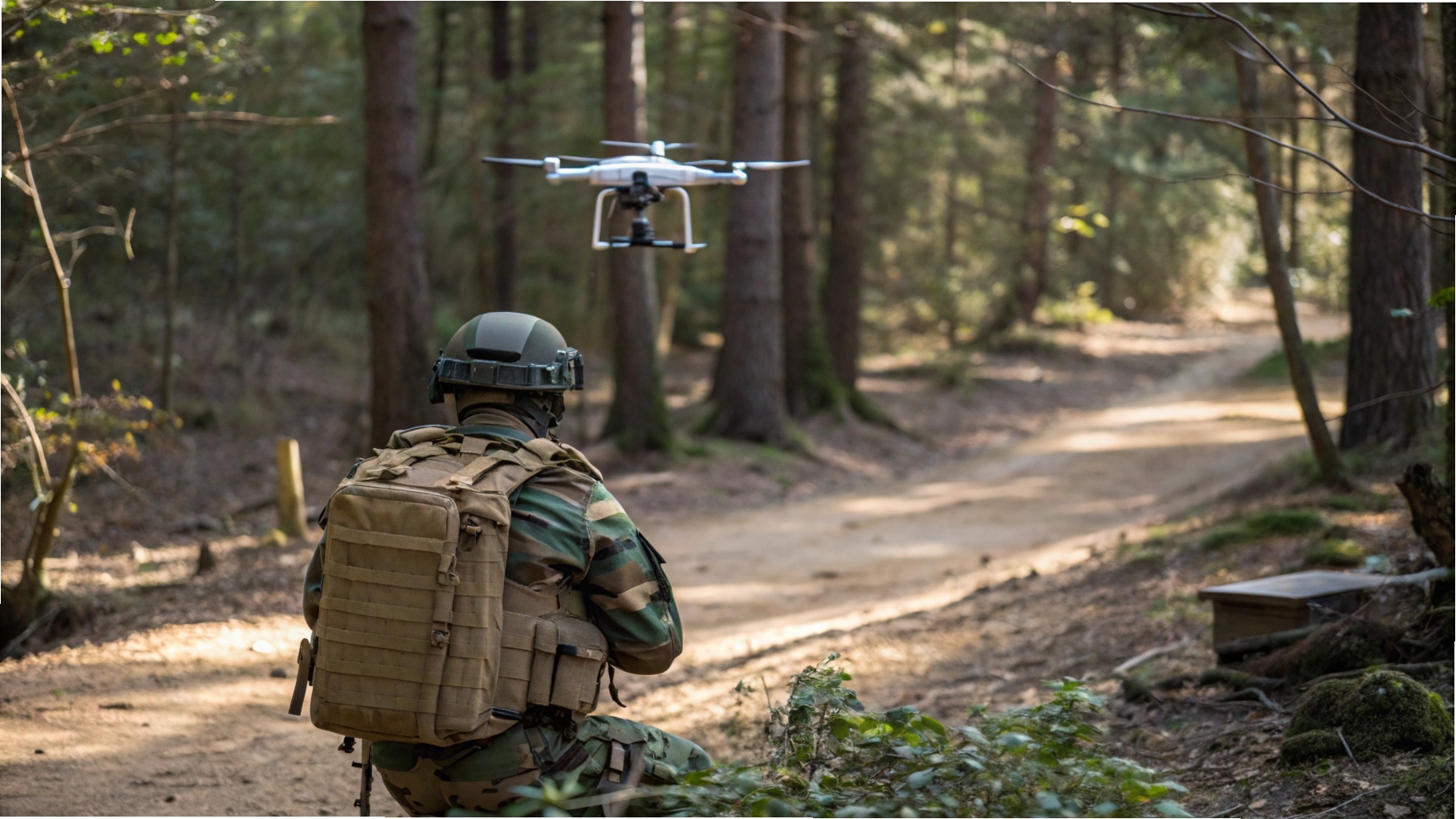
The company completed deliveries of five Atlas drones to an Army unit stationed in northern India during late 2025. Notably, the platform was developed in less than a year after work began in early 2025. Designed for strike missions, Atlas is a heavy-lift quadcopter capable of carrying between two and four mortar rounds, with a total payload capacity of approximately 20 kilograms. The UAV is optimized for difficult operational environments, including high-altitude areas where conventional support assets may face limitations.
Atlas can fly at heights of up to 1,000 feet above ground level, sustain flight for up to 55 minutes, and travel at a cruising speed of around 12 meters per second. Its operational range of 25 kilometers enables forces to conduct reconnaissance and attack missions at extended distances, particularly in mountainous regions where terrain can complicate traditional combat operations.
Industry sources suggest that Hild Defence has also taken part in additional Army programs focused on tactical UAV procurement, indicating broader interest in the Atlas platform.
The company has also secured an Army order for around 30 Talon FPV drones, with deliveries scheduled to begin in June. The purchase reportedly originated from a command-level Army formation seeking expendable precision-strike capabilities at relatively low cost.
Talon is an FPV loitering munition designed to merge surveillance and attack functions. The drone offers an effective range of 10–20 kilometers and can be equipped with a warhead weighing up to 3 kilograms. FPV drones have transformed modern combat by allowing operators to maintain direct visual control of targets through live video feeds while conducting precision attacks against a wide range of battlefield objectives.
Compared with traditional indirect-fire systems, FPV drones provide greater flexibility and target discrimination during the final attack phase, helping improve strike effectiveness and reduce collateral damage.
The Army’s procurement of both Atlas and Talon demonstrates a growing emphasis on establishing a comprehensive unmanned ecosystem that includes reconnaissance, logistics, attack, and loitering munition capabilities. Together, the two systems provide complementary operational benefits, with Atlas functioning as a reusable strike platform and Talon serving as a cost-effective one-way attack drone.
The contracts also reflect the strengthening role of India’s domestic defense sector in meeting emerging military requirements. As global conflicts continue to showcase the battlefield value of drones and autonomous systems, indigenous manufacturers such as Hild Defence are increasingly developing solutions tailored to India’s unique operational challenges, including high-altitude warfare and border security missions.