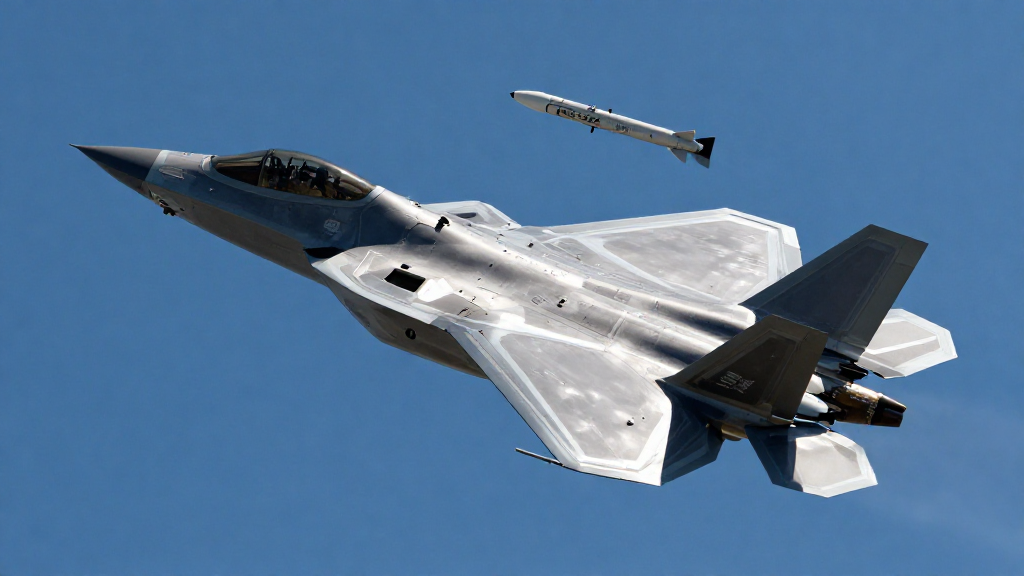
Modern air forces require combat aircraft capable of adapting instantly to changing battlefield conditions. Whether conducting air superiority missions, precision strikes, or supporting reconnaissance operations, today’s fighters must deliver exceptional versatility. The Eurofighter Typhoon has consistently demonstrated this capability, establishing itself as one of the world’s most capable fourth-plus generation multirole fighters and a cornerstone of European air power.
Overview
The Eurofighter Typhoon is a twin-engine multirole fighter developed through a collaborative programme involving the United Kingdom, Germany, Italy, and Spain under Eurofighter Jagdflugzeug GmbH. Designed primarily for air superiority, the aircraft has steadily evolved into a highly capable multirole platform capable of executing precision strike, air defence, and network-centric combat missions.
Its combination of agility, advanced avionics, and extensive weapons compatibility enables the aircraft to perform effectively across diverse operational scenarios.
Programme Evolution
Development of the Typhoon began during the 1980s, when European nations sought a common successor to ageing fighter aircraft from the Cold War era. The programme aimed to deliver a technologically advanced aircraft capable of countering future threats while remaining adaptable through decades of upgrades.
Key milestones include:
Launch of European Future Fighter Aircraft studies (1983–1986)
Creation of the Eurofighter consortium (1986)
First prototype flight (1994)
Entry into frontline service (2003)
Continuous modernization throughout the 2010s and beyond
The programme remains one of Europe’s largest and most complex multinational aerospace initiatives.
Aircraft Design
Air dominance formed the foundation of the Typhoon’s design philosophy. The aircraft features a highly agile aerodynamic configuration that supports excellent maneuverability, sustained supersonic flight in selected operating conditions, and strong performance across a wide range of combat environments.
Its rapid climb rate and acceleration also make it particularly effective for Quick Reaction Alert (QRA) missions, allowing operators to intercept unidentified aircraft with minimal response time.
Core Technologies
The Typhoon incorporates numerous advanced technologies, including:
Captor-E AESA radar on modernized aircraft
Integrated sensor fusion providing enhanced battlefield awareness
Digital fly-by-wire flight controls
Helmet-mounted cueing and targeting system
Compatibility with a wide range of air-to-air and precision-guided strike weapons
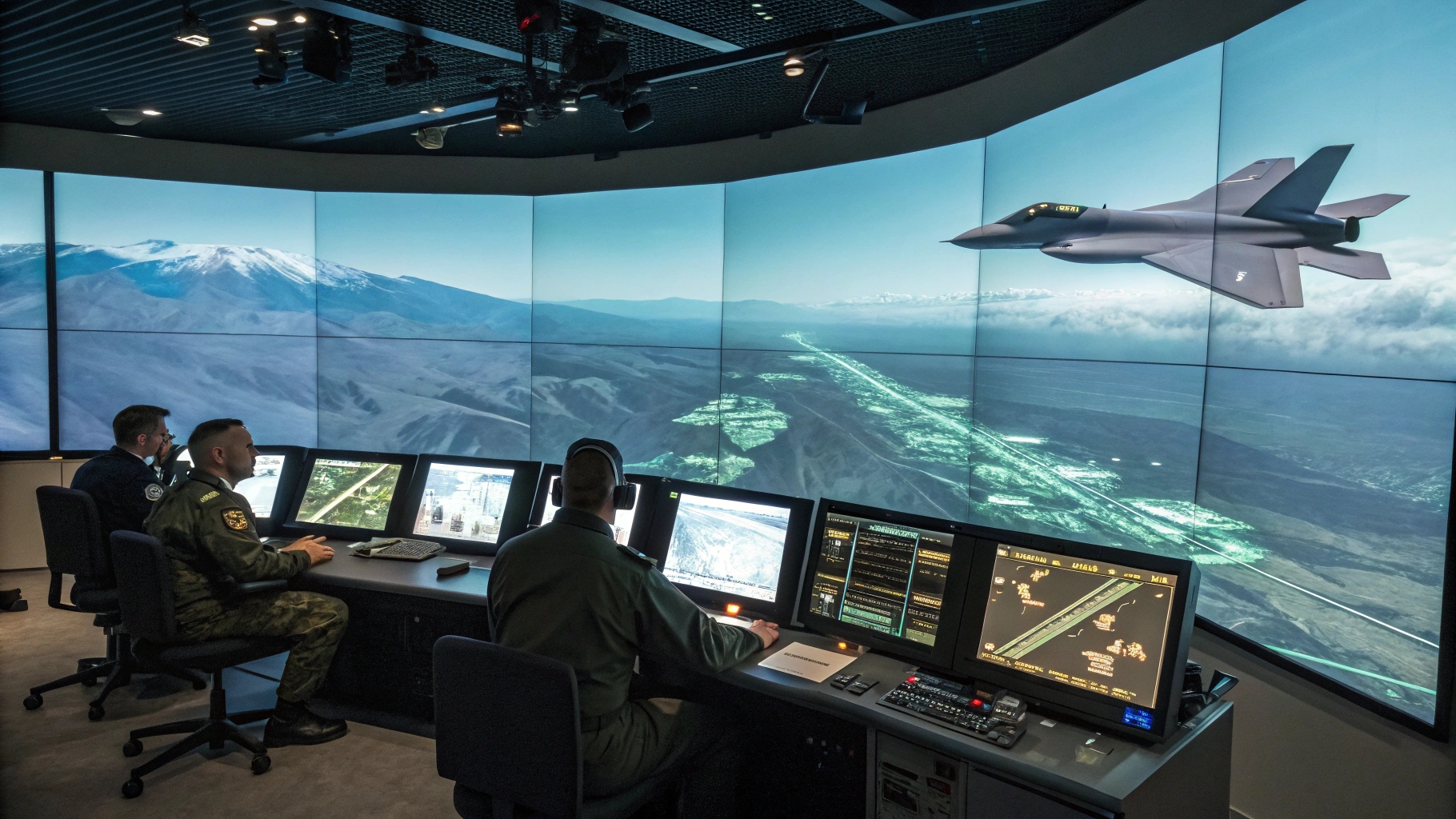
Through secure tactical data links, the aircraft exchanges real-time information with allied aircraft, airborne surveillance platforms, naval assets, and ground-based command centres.
Performance Assessment
Among its principal strengths are:
Exceptional air combat agility
Advanced radar and mission systems
Proven multirole operational capability
Continuous technology upgrades across partner nations
Extensive combat and NATO operational experience
Areas where the aircraft faces challenges include:
Relatively high operating and maintenance costs
Earlier production aircraft requiring significant avionics upgrades
Reduced stealth characteristics compared with fifth-generation fighters
Coordination challenges associated with multinational production and modernization programmes
International Service
The Eurofighter Typhoon continues to perform frontline duties across Europe, supporting NATO air policing, homeland defence, and expeditionary operations. The Royal Air Force relies on the aircraft for Quick Reaction Alert missions, while Germany and Italy routinely deploy Typhoons for Baltic Air Policing.
The aircraft has also established a significant presence in the Middle East. Saudi Arabia operates one of the largest export fleets, employing the Typhoon for national air defence, deterrence, and combat operations. Qatar acquired the platform as part of a comprehensive defence modernization programme designed to improve interoperability with Western allies and strengthen regional air combat capabilities.
Looking Ahead
Despite ongoing development of the sixth-generation Global Combat Air Programme (GCAP) by the United Kingdom, Italy, and Japan, operational deployment remains years away. Consequently, the Eurofighter Typhoon will continue serving as Europe’s primary frontline fighter well into the next decade.
Modernization efforts remain extensive, with upgrades including Captor-E AESA radar integration, Meteor long-range missile capability, potential adoption of the Advanced Precision Kill Weapon System (APKWS), and enhanced network connectivity across NATO forces.
Germany and Spain are also introducing the F-35 into their fleets, creating a mixed-force approach in which the Typhoon is expected to specialize increasingly in interception, air policing, and suppression of enemy air defences rather than being rapidly phased out. Meanwhile, export operators lacking access to fifth-generation aircraft are likely to continue upgrading and operating the Typhoon for decades.
As sixth-generation fighters gradually emerge, the Eurofighter Typhoon is expected to remain a highly relevant combat platform, supported by continuous modernization and evolving operational roles across Europe and international partner nations.