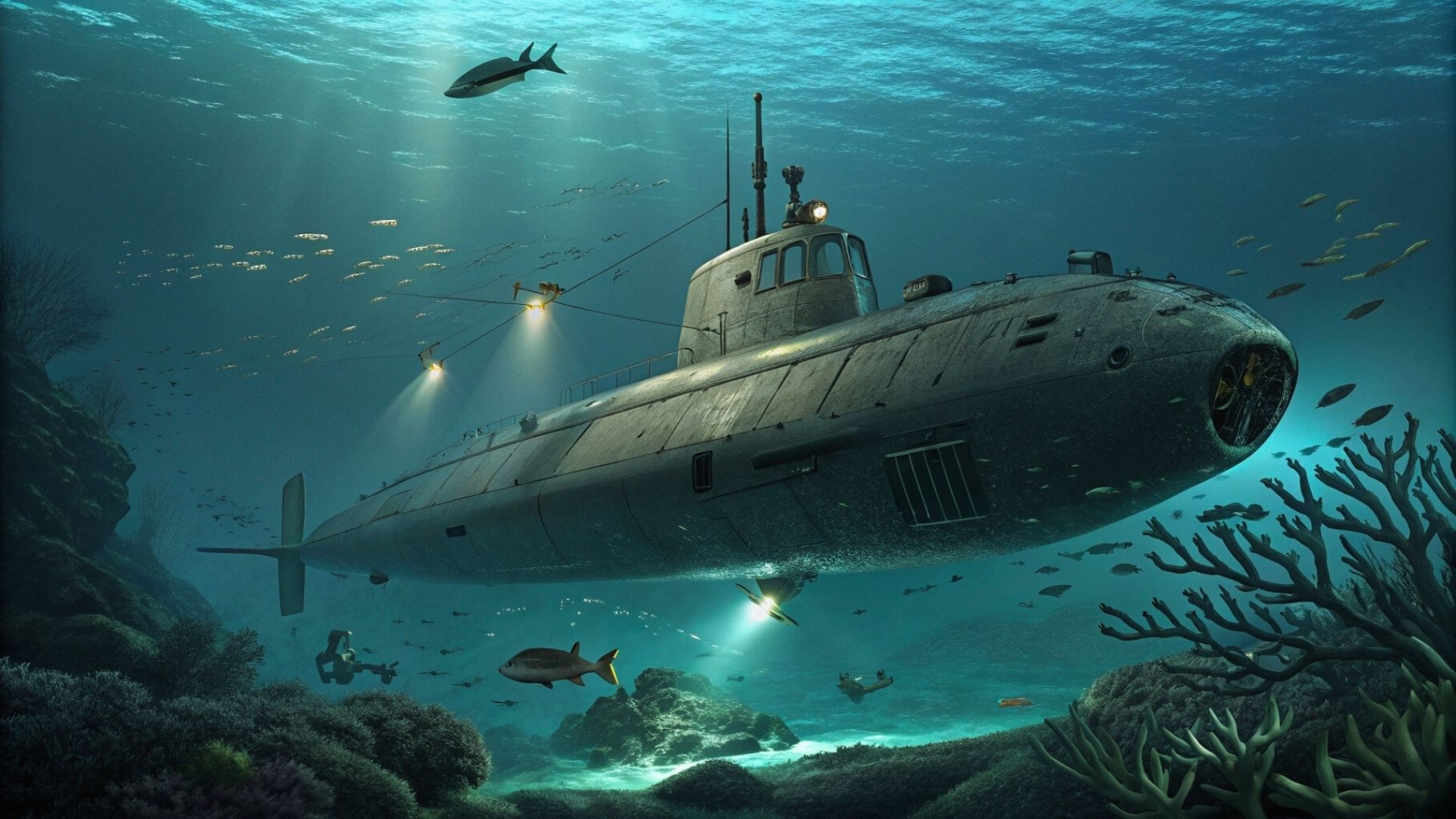
The Royal Navy is adopting advanced 3D-printing capabilities to accelerate submarine maintenance and improve fleet availability through QinetiQ’s additive manufacturing solutions. By deploying its Additive Manufacturing All In One system and Market Access Cell at HM Naval Base Clyde, the company has enabled dockside production of submarine components, allowing engineers to manufacture, scan, and reverse engineer parts directly at the naval base.
The initiative follows QinetiQ’s maintenance support for the nuclear-powered submarine HMS Anson, where replacement components were developed and supplied in just four weeks, significantly reducing delays compared to traditional procurement methods.
According to Will Blamey, Chief Executive of UK Defence at QinetiQ, the new technology will enable rapid on-demand printing and reverse engineering of submarine parts, helping return vessels to operational service more quickly.
The UK is also expanding additive manufacturing across its wider defense sector. In April, Rolls-Royce established a dedicated additive manufacturing facility in Bristol, supported by the UK Ministry of Defence, to produce vital parts for future military aircraft engines. Earlier this year, QinetiQ worked with Lancashire-based Additive Manufacturing Solutions to manufacture aircraft components from recycled titanium, demonstrating improved sustainability and material efficiency. The project builds on a 2025 program that recycled parts from retired Royal Air Force Tornado jets into newly 3D-printed components for next-generation combat aircraft.