
India’s ISTAR (Intelligence, Surveillance, Target Acquisition and Reconnaissance) aircraft project has moved into a decisive acquisition phase after the Defence Acquisition Council cleared the purchase of three dedicated platforms at an estimated cost of nearly ₹10,000 crore ($1.2 billion). The program is expected to significantly strengthen the Indian Air Force’s ability to conduct real-time battlefield surveillance and support multi-domain operations.
The Bombardier Global 6500 has been widely viewed as the preferred platform since late 2025, largely due to concerns surrounding the long-term supportability of the discontinued Gulfstream G550. As a newer-generation aircraft, the Global 6500 offers greater endurance, improved operating efficiency, and a more sustainable upgrade path. However, Dassault Aviation has reportedly entered the picture with its Falcon 10X, presenting an alternative solution that could prompt further evaluation.
Dassault’s aircraft brings advantages in terms of cabin volume, mission endurance, and high-altitude performance, making it well suited for complex intelligence-gathering operations. Regardless of the airframe ultimately selected, the mission package will be domestically developed by DRDO’s Centre for Airborne Systems, ensuring a high degree of indigenous content and operational sovereignty.
Designed as an airborne intelligence command platform, the ISTAR aircraft will focus on deep surveillance of ground and maritime targets rather than conventional airborne threat monitoring. Its sensor suite will include a high-performance Synthetic Aperture Radar capable of producing detailed imagery through adverse weather conditions, along with Ground Moving Target Indicator technology for tracking mobile military assets over long distances.
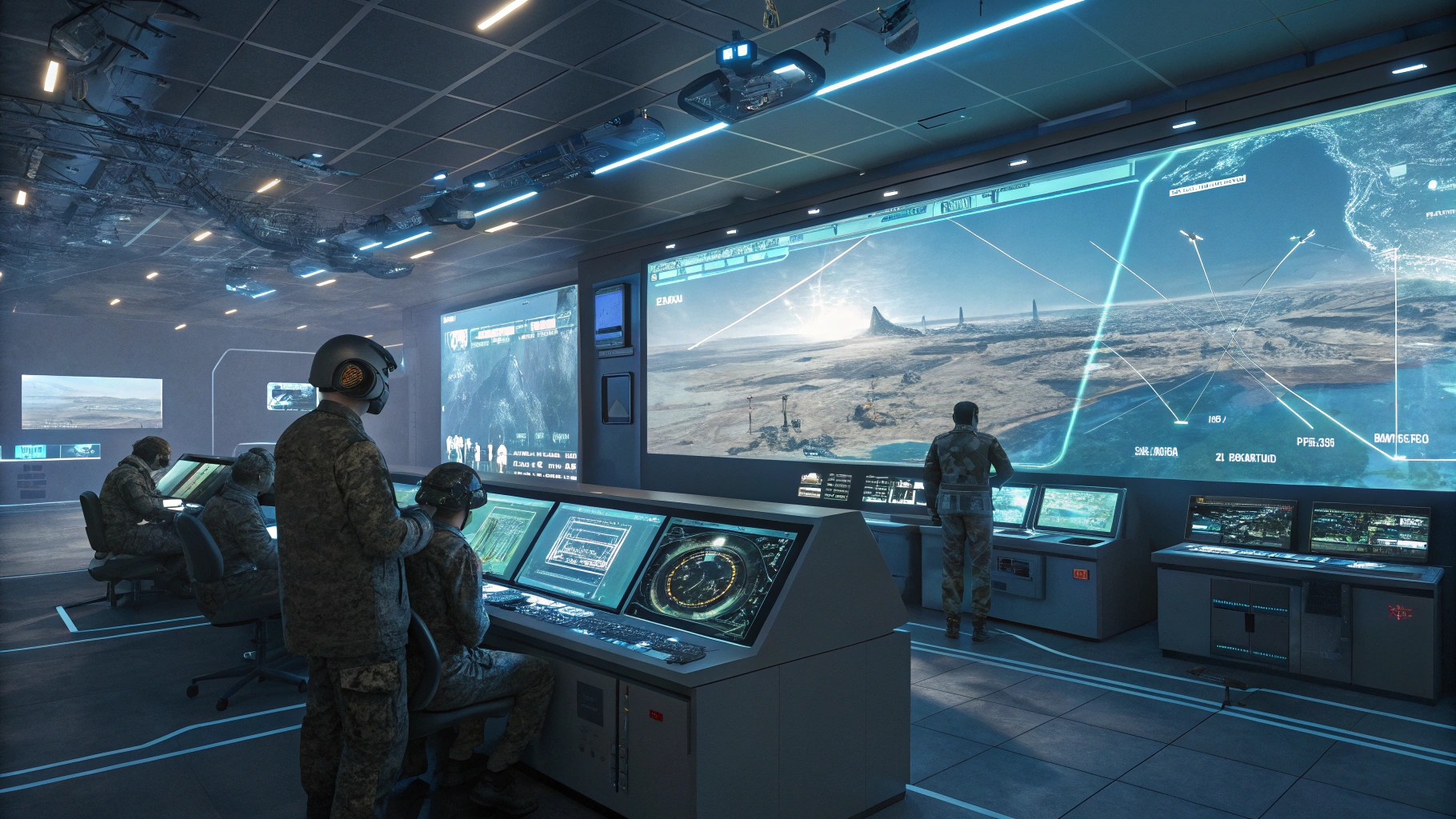
Additional capabilities will include Electronic Intelligence (ELINT), Communications Intelligence (COMINT), and Electro-Optical/Infrared surveillance systems, enabling comprehensive monitoring of enemy activity. Artificial intelligence and machine learning tools are expected to enhance data processing, automate target recognition, and accelerate decision-making.
Operating at altitudes exceeding 40,000 feet, the aircraft will be able to monitor developments deep inside hostile territory while remaining at safe stand-off distances. Integration with the Indian Air Force’s IACCS network will allow real-time sharing of intelligence with combat aircraft, UAVs, missile units, and ground forces, significantly reducing the sensor-to-shooter timeline. Although the Bombardier Global 6500 remains the favorite, Dassault’s Falcon 10X proposal introduces fresh competition as India moves closer to finalizing one of its most important surveillance and reconnaissance programs.