
The Indian Army is pursuing an ambitious technological initiative under ADITI 4.0: the development of a Ramjet-Powered Supersonic Loitering Munition. This effort reflects a strategic shift toward advanced strike systems capable of overcoming modern air defences and executing fast, precise attacks.
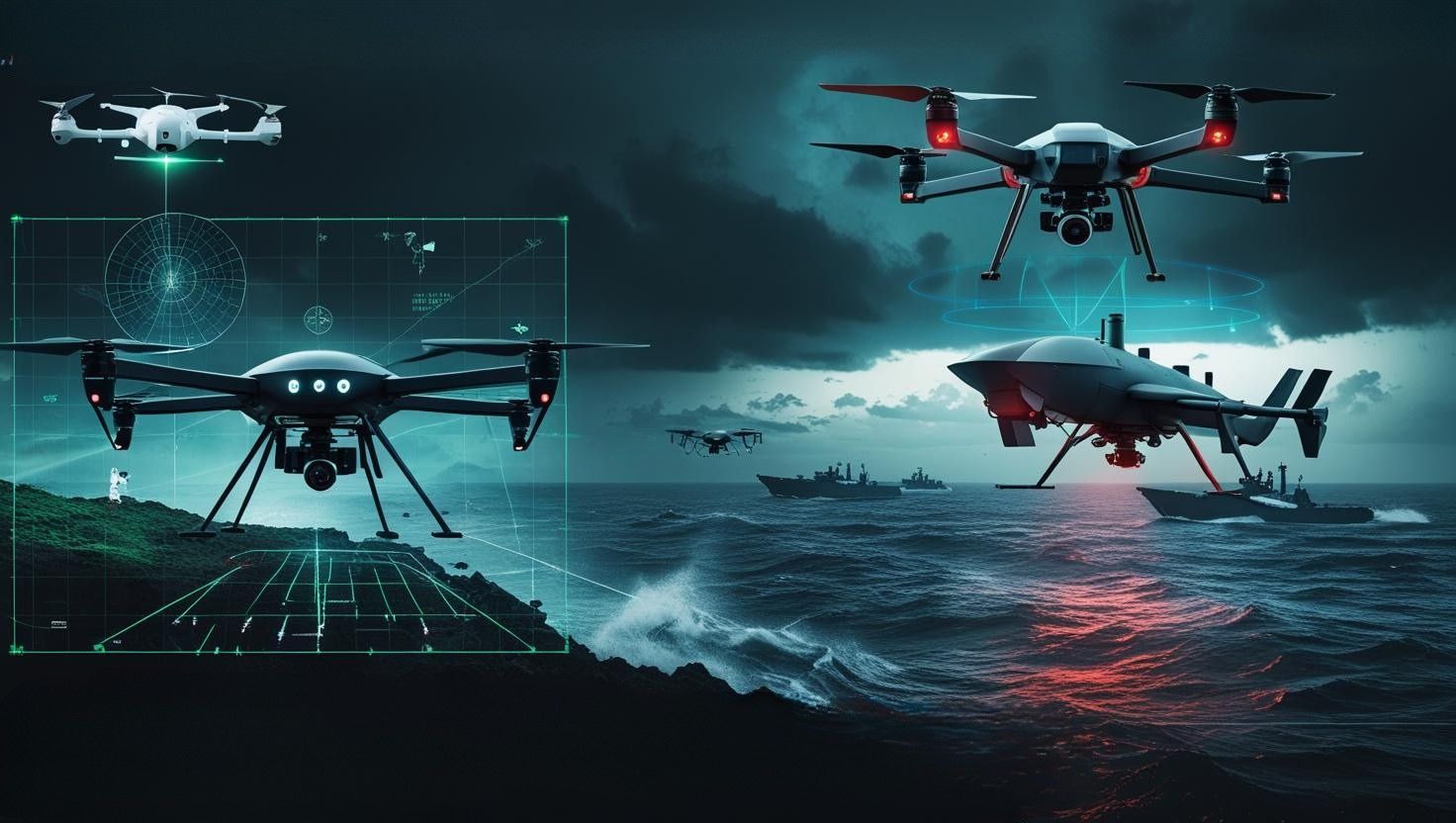
Early phases of modern warfare increasingly rely on UAVs, loitering munitions, and small missiles to suppress enemy defences and target critical assets. Current loitering munitions are largely subsonic, leaving them vulnerable to interception by sophisticated air defence and counter-UAS technologies.
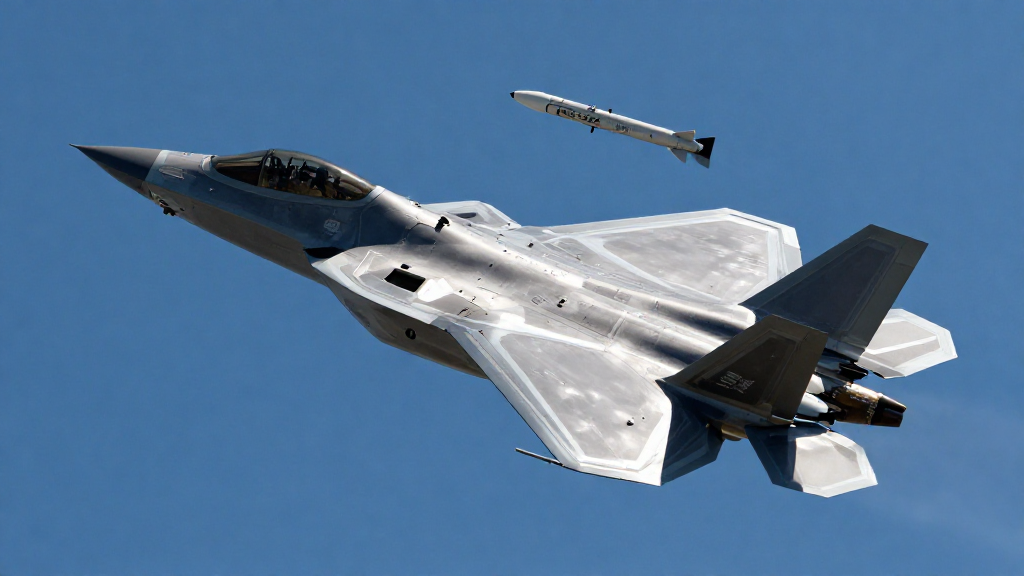
To address this, the Army plans a supersonic loitering munition using ramjet propulsion. Ramjets generate thrust by compressing incoming air without rotating parts, allowing sustained supersonic speeds and dramatically reducing enemy reaction time, thereby improving survivability and mission effectiveness.
The concept combines the endurance of conventional loitering munitions with the rapid strike capability of supersonic missiles. The system will loiter over target areas, identify and track threats, and execute swift terminal attacks.
Development covers multiple technological fronts: propulsion and aerodynamics for optimized ramjet performance; guidance, navigation, and control for autonomous target engagement; warhead and fuze design for maximum effect; and materials engineering to withstand extreme thermal stresses. Advanced thermal management ensures reliability at high speeds.
Operationally, the loitering munition will engage high-value and time-sensitive targets, including mobile air defence units, armored formations, and command centers, with particular efficacy in SEAD and deep-strike roles.
The Army has tasked developers with delivering three fully validated prototypes, highlighting a focus on practical demonstration and operational readiness. Successful deployment would represent a major advancement in India’s loitering munition capabilities, establishing a high-speed, autonomous strike platform and reinforcing indigenous expertise in advanced propulsion, autonomous systems, and precision strike technology.