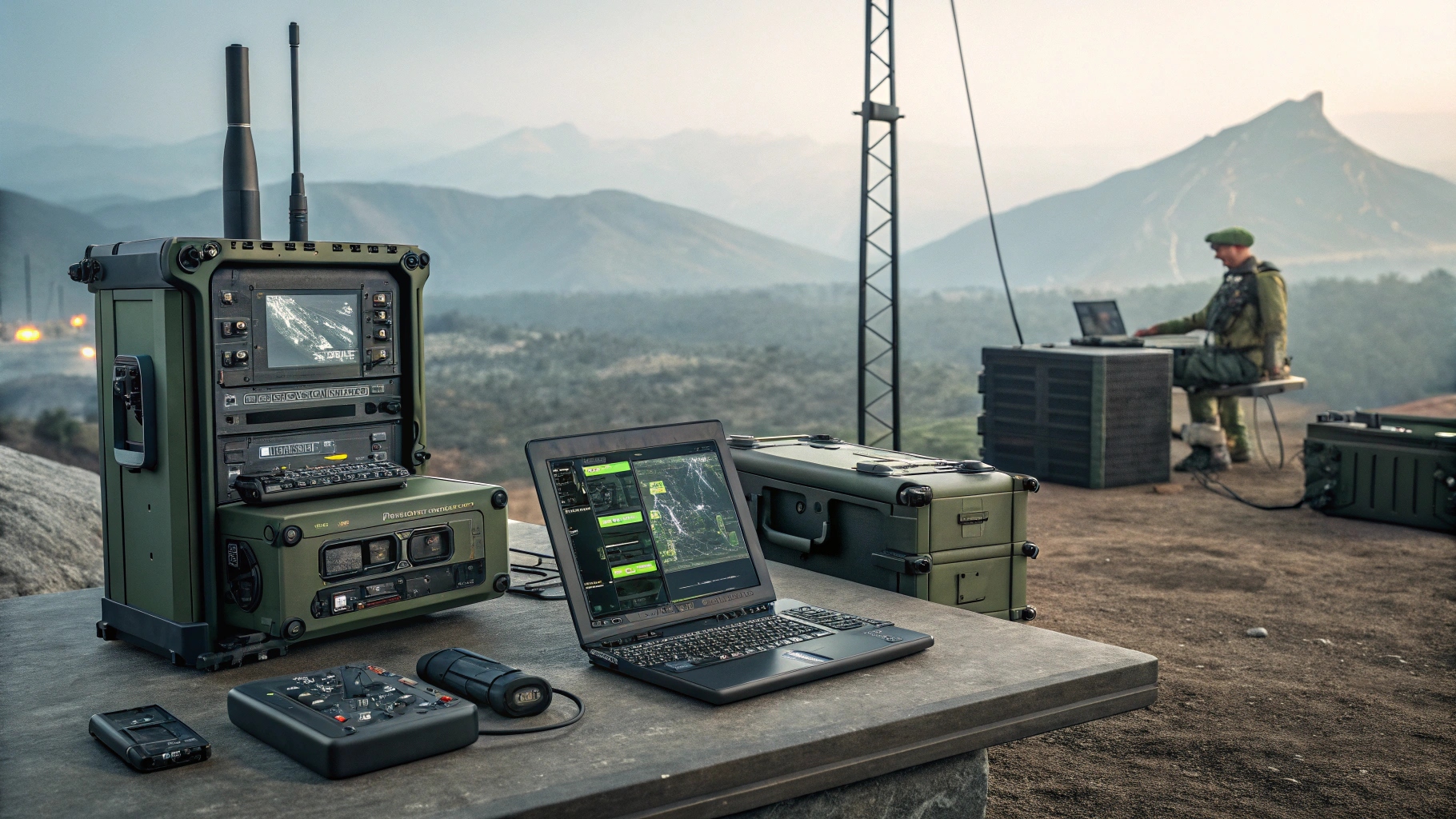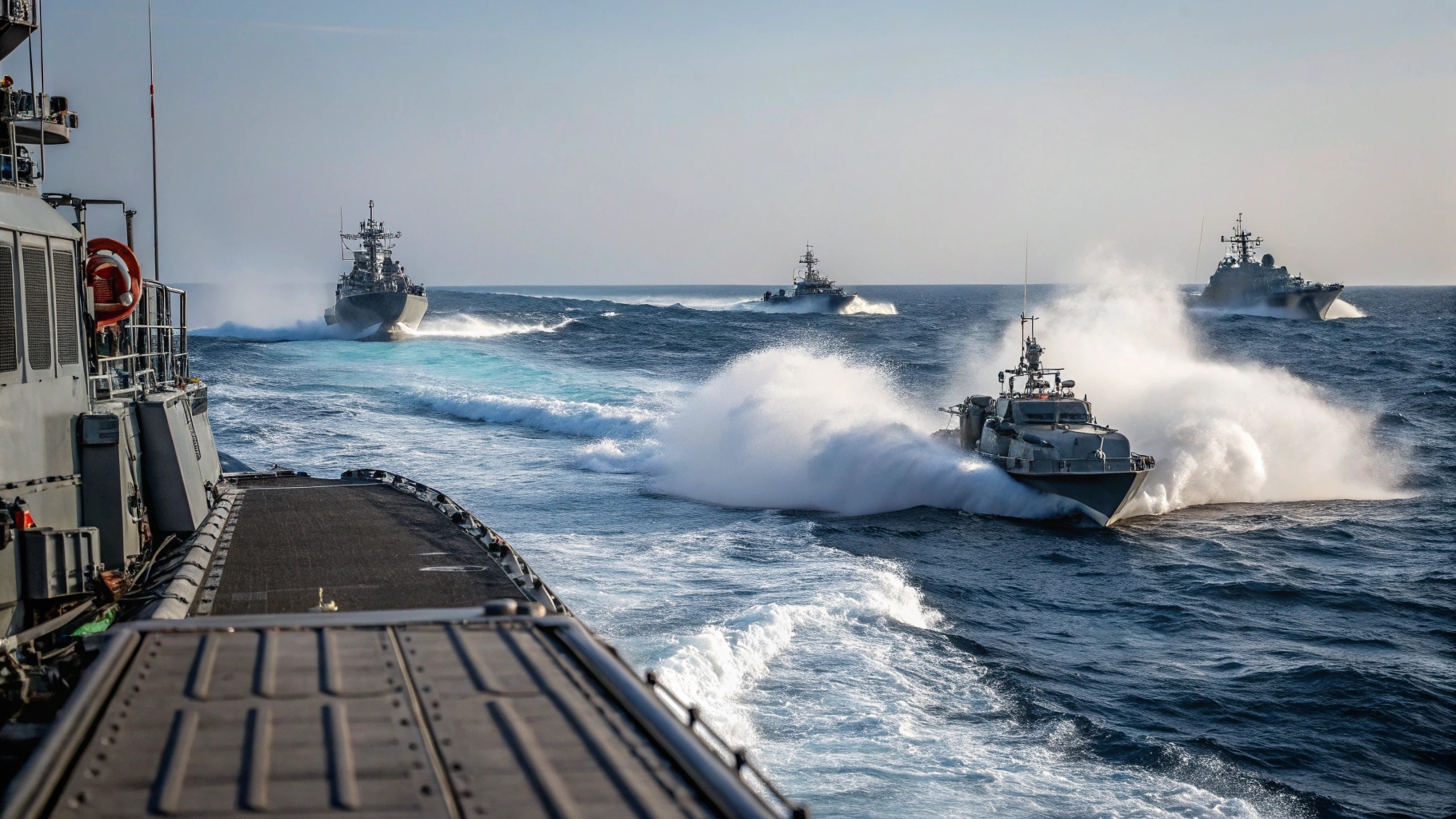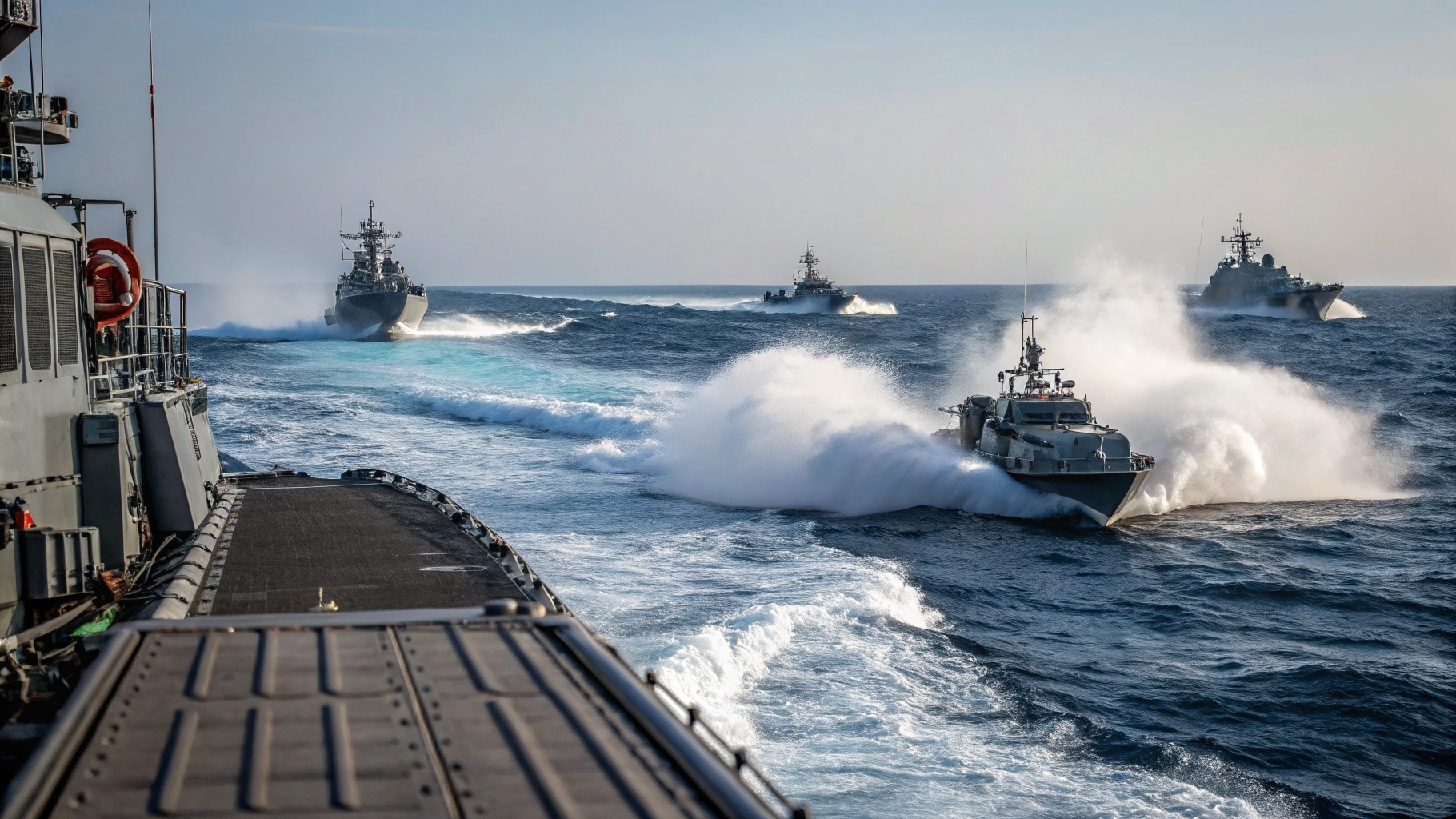
HII and Shield AI have completed a dual-autonomy integration trial on the ROMULUS unmanned surface vessel (USV), marking a significant advancement in autonomous naval operations. Conducted over three days in late October, the trial integrated Shield AI’s Hivemind mission autonomy software with HII’s Odyssey autonomy suite aboard the ROMULUS 20 USV. The test, revealed at the Indo Pacific International Maritime Expo, demonstrated cooperative operation between the two systems, validating their compatibility in maritime environments. The exercise represents the first instance of Shield AI’s Hivemind, previously deployed on aerial platforms, being tested at sea. Both HII and Shield AI emphasized the integration as a critical milestone in developing multi-domain autonomous solutions capable of executing complex missions independently or in concert with manned assets. The ROMULUS platform served as the host vessel for evaluating system performance, communication stability, and autonomous decision-making in dynamic maritime scenarios. The successful demonstration reflects increasing defense sector investment in modular autonomy architectures designed for scalability across surface, subsurface, and aerial systems. HII stated that the Odyssey suite’s open framework allows the integration of external autonomy software like Hivemind, providing operational flexibility for defense customers. Shield AI noted that Hivemind’s sea trial builds on its proven combat performance in airborne systems such as the MQ-35 V-BAT and Nova quadcopter series. The test underscores a broader shift toward networked, intelligent maritime operations that can extend mission duration, reduce human risk, and enhance situational awareness across naval fleets.