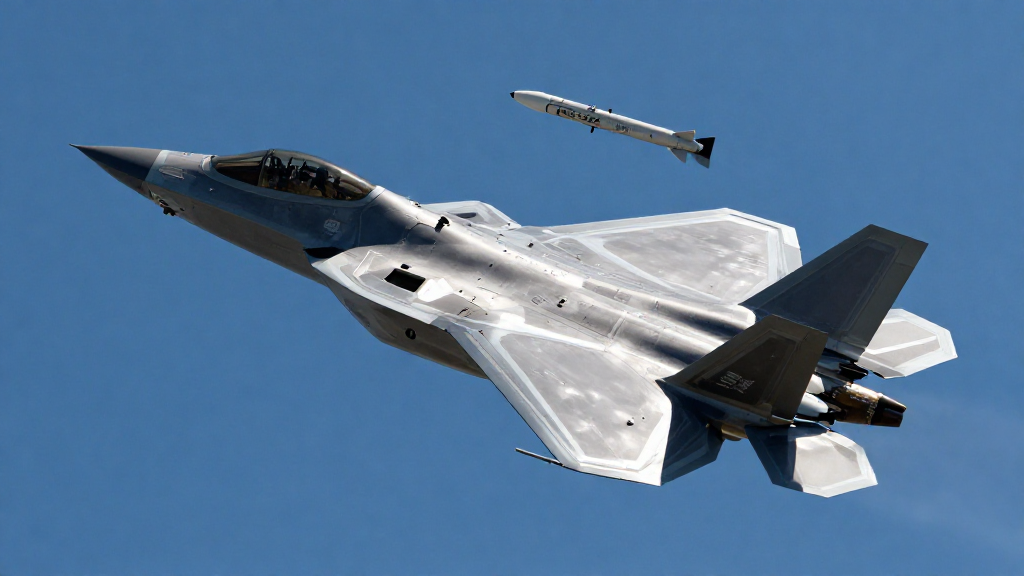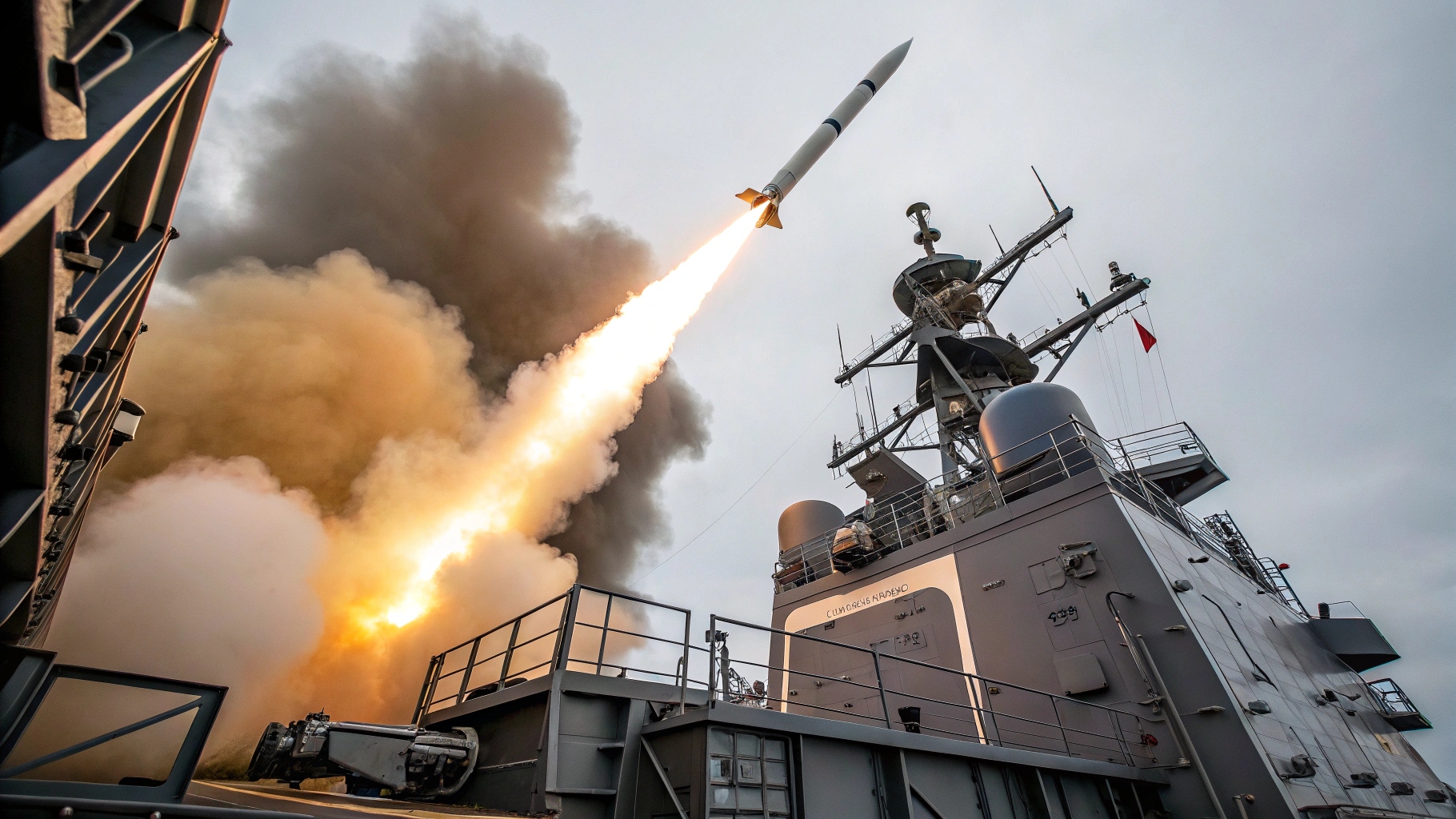

The Indian Air Force (IAF) is moving ahead with plans to induct the 160-kilometer version of the indigenous Astra MkII beyond-visual-range air-to-air missile as part of a phased strategy to enhance its long-range air combat capability. According to sources within the Defence Research and Development Organisation (DRDO), the missile will serve as an interim operational solution before the arrival of an enhanced 200–220 km variant currently under development.
The initial procurement is expected to support operational clearance by the end of 2026, enabling the IAF to quickly field the new missile while development of the longer-range version continues. The strategy is aimed at ensuring India’s fighter fleet remains equipped with advanced indigenous BVR weapons.
The Astra MkII builds upon the capabilities of its predecessor by incorporating a dual-pulse propulsion system, providing improved maneuverability during the terminal phase of flight, along with an active radar seeker capable of engaging targets in all weather conditions. The missile is planned for integration with the Su-30MKI, Rafale, and Tejas fleets and is designed to work seamlessly with the indigenous Uttam AESA radar.
DRDO is also advancing technologies that will increase the missile’s range to over 200 kilometers, using improvements in propulsion and aerodynamic design. These enhancements are expected to be validated before the extended-range version enters production, allowing a smooth transition from the baseline missile.
The 160-km Astra MkII is expected to enter limited production in the near term, with operational deployment anticipated from 2027. Manufacturing by Bharat Dynamics Limited (BDL) is planned to shift progressively toward the upgraded variant as development milestones are achieved.
The IAF is expected to procure hundreds of Astra MkII missiles, beginning with a limited batch for operational validation before expanding production. The programme reinforces India’s commitment to indigenous missile development, reducing dependence on foreign systems while supporting future advancements, including the development of the longer-range Astra MkIII.