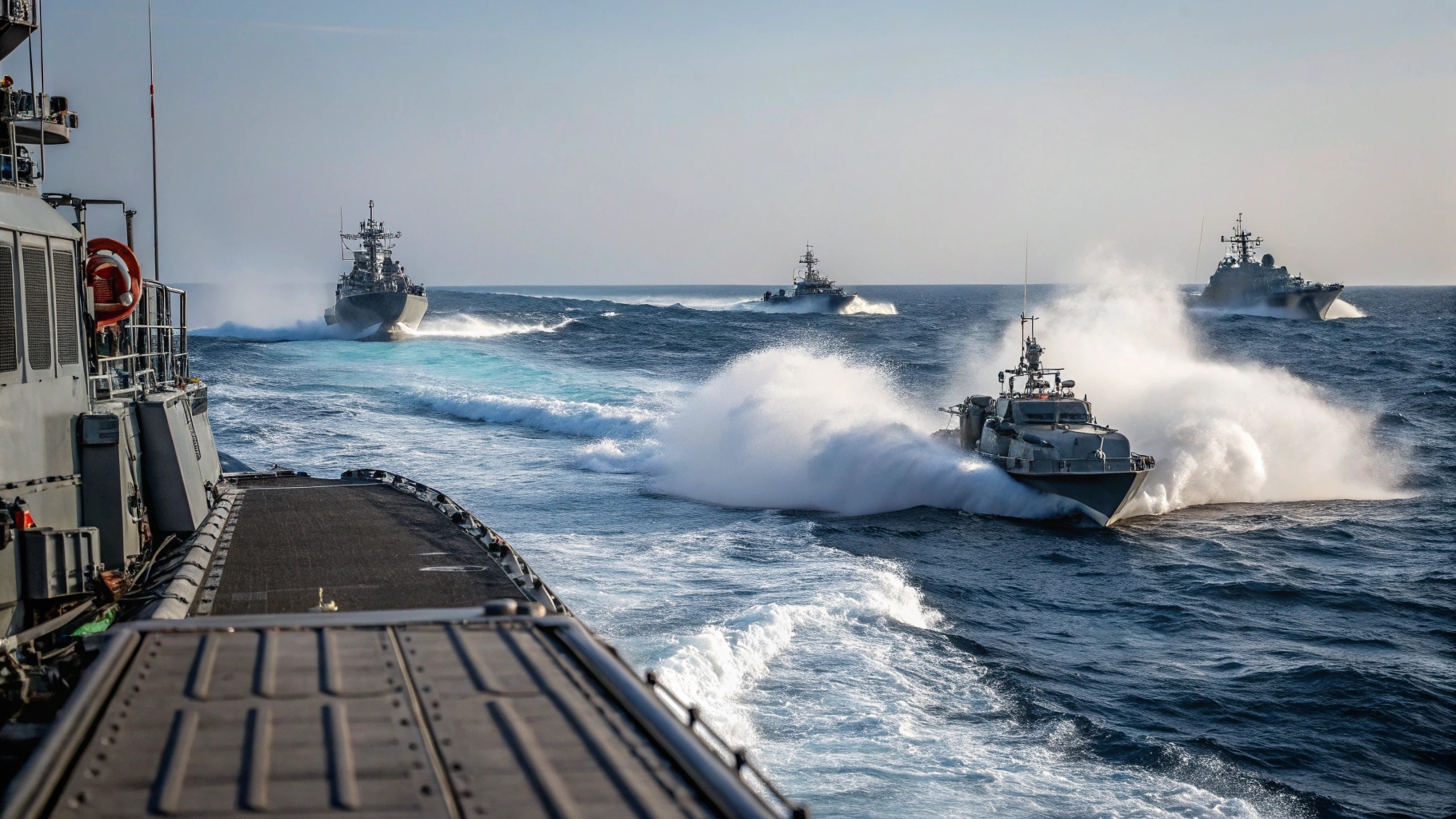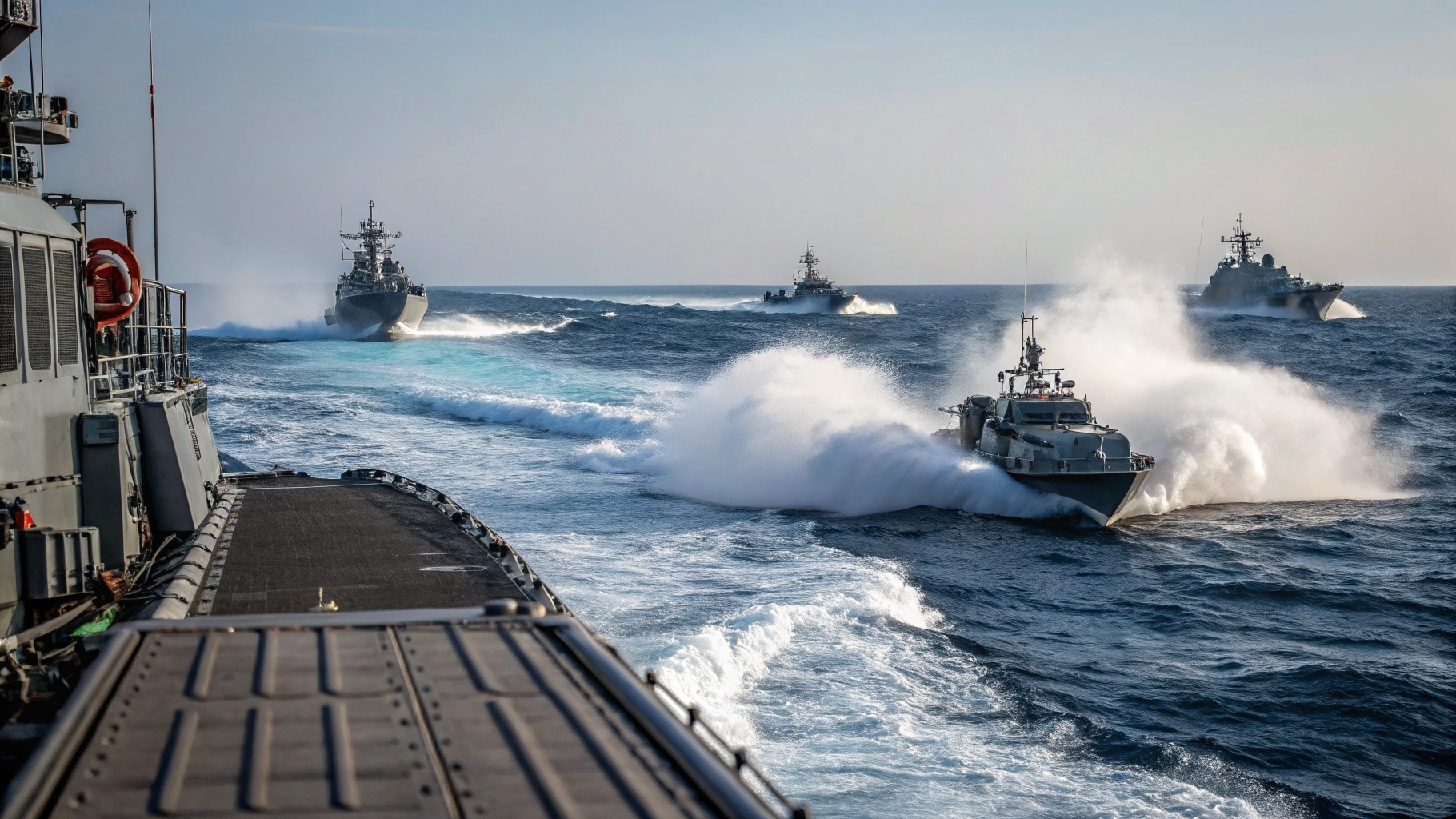

Germany has taken a major step toward modernizing its naval fleet after the Parliamentary Budget Committee approved the purchase of four MEKO A-200 DEU frigates worth approximately 6.3 billion euros (US$7.2 billion). The decision clears the way for thyssenkrupp Marine Systems (TKMS) to formally sign the construction contract.
The procurement package also includes an option for four additional frigates, which would add approximately 5.3 billion euros (US$6.06 billion) to the programme, according to Hartpunkt.
The decision comes shortly after Berlin cancelled the troubled F126 frigate programme in June. Although the MEKO A-200 DEU was initially intended to serve as an interim capability while the F126 entered service, it has now been selected as the German Navy’s primary future frigate.
Compared with the 10,000-ton F126, the approximately 4,000-ton MEKO A-200 DEU offers a lower-cost, lower-risk solution based on an established design already operated by several navies worldwide. The platform was chosen because it promises faster delivery while preserving the navy’s critical anti-submarine warfare capabilities.
The first frigate is expected to be delivered by December 2029.
About the MEKO A-200 DEU
Built on a flexible and modular design philosophy, the MEKO A-200 DEU is optimized to enhance Germany’s maritime defence capabilities, particularly in anti-submarine operations.
The vessel is 121 meters long, features a 16.4-meter beam and 4.4-meter draught, and has a full-load displacement of approximately 3,950 metric tons.
A standard crew of 125 sailors operates the ship, while accommodations are available for an additional 49 personnel. Powered for high performance, the frigate can exceed 29 knots (54 km/h) with a reduced acoustic signature, while offering an operational range of more than 6,500 nautical miles when cruising at 16 knots (30 km/h).
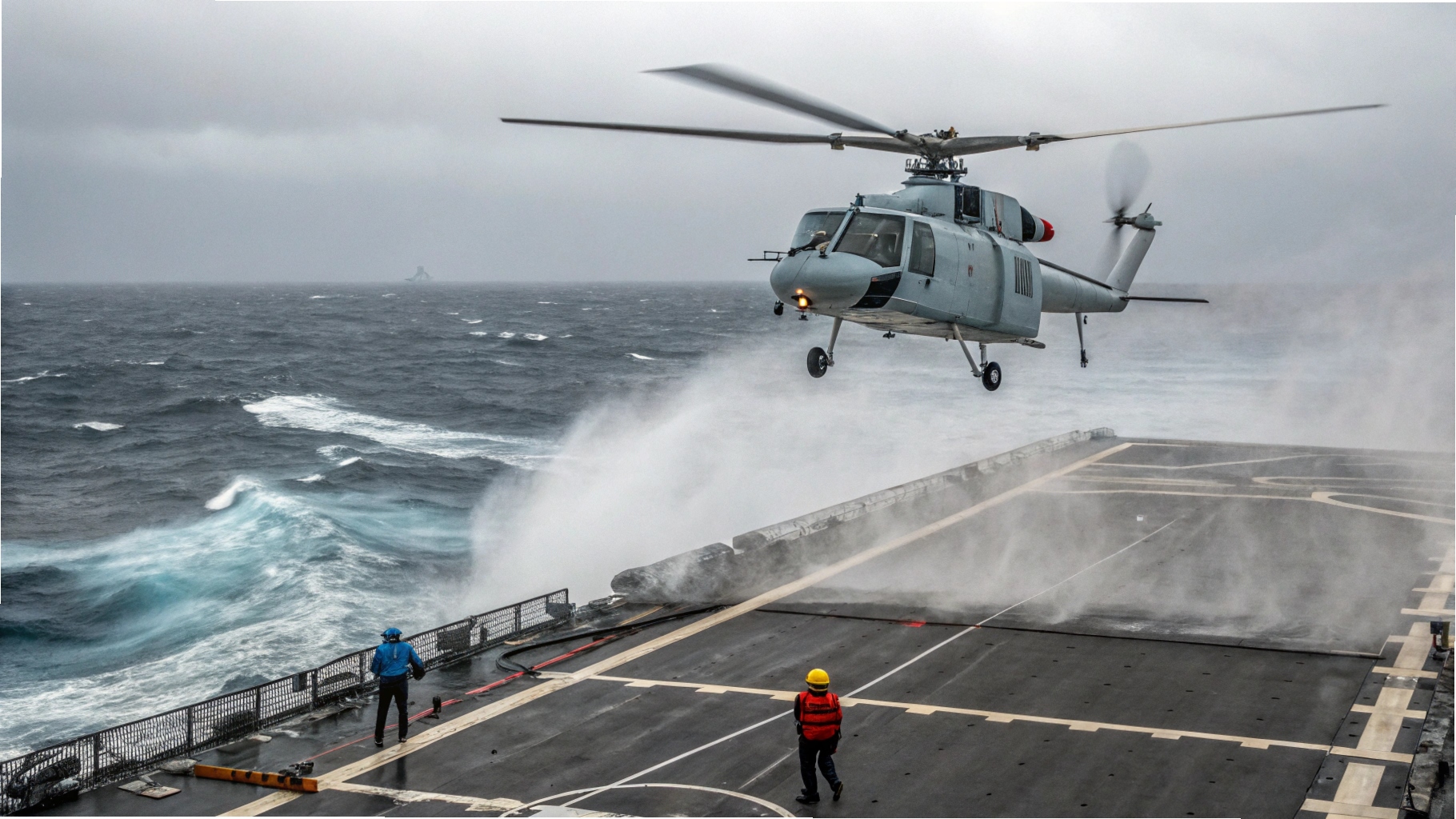
Its modular architecture supports two interchangeable mission modules housed within standard 20-foot containers, enabling rapid adaptation to various mission requirements. The flight deck and hangar can accommodate either two medium helicopters weighing up to 6 tons each or one heavy 11-ton helicopter, together with two unmanned aerial vehicles.
The frigate also features dual side-mounted launch and recovery systems for 8-meter rigid-hull inflatable boats, allowing it to conduct a broad spectrum of naval missions, including anti-submarine warfare, maritime patrol, special operations support, and humanitarian assistance.