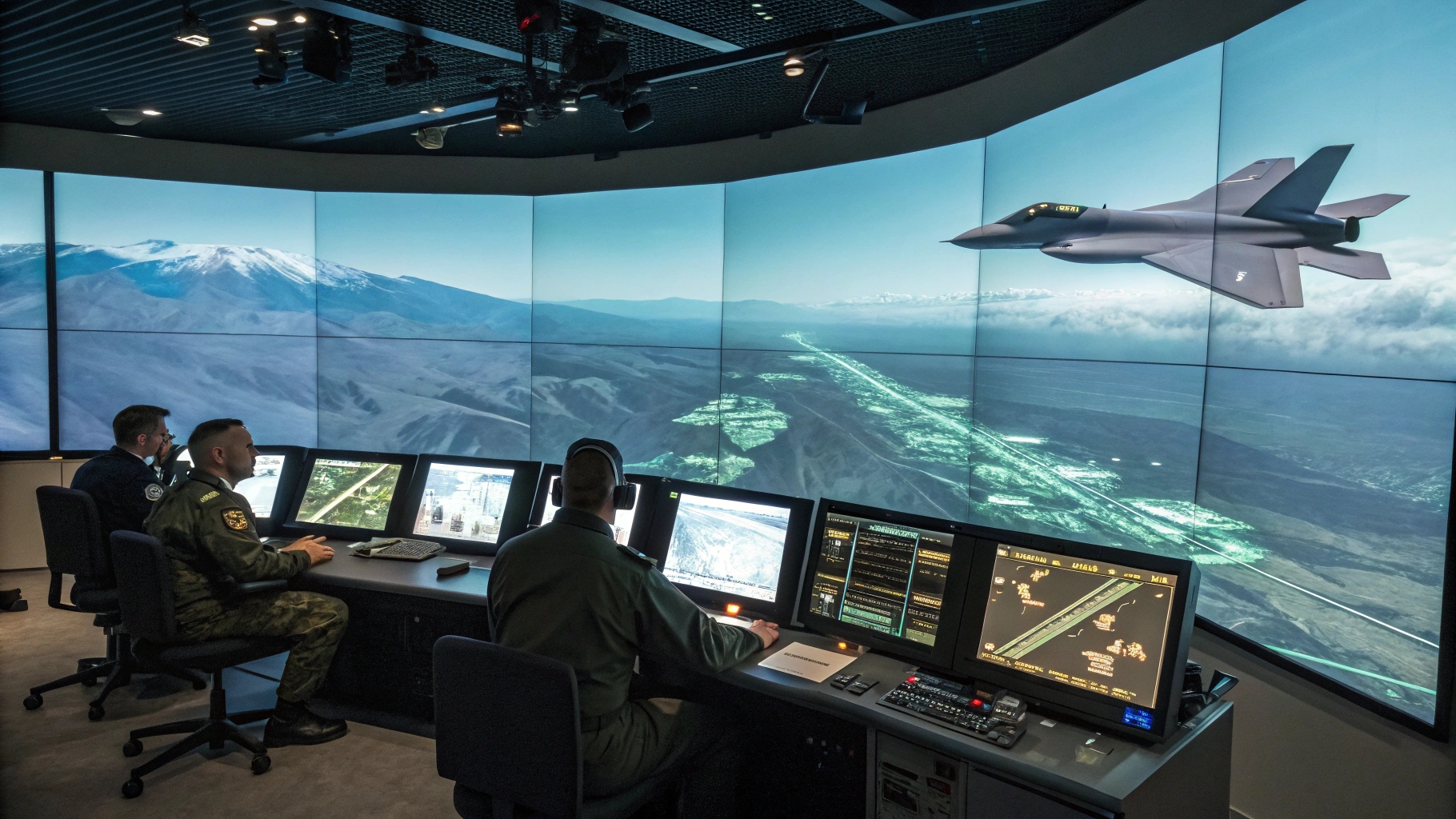
Although the Tejas Mk1A is widely recognized for upgrades such as its AESA radar, advanced electronic warfare suite, improved maintainability, and beyond-visual-range combat capabilities, its most transformative future role could lie elsewhere. The aircraft has the potential to evolve into India’s first operational fighter capable of directing drones and loyal wingman UAVs as part of a fully integrated combat network.
If realized, this capability would elevate the Tejas Mk1A beyond its role as a light fighter and position it as an airborne battle management platform capable of coordinating autonomous assets across the battlefield.
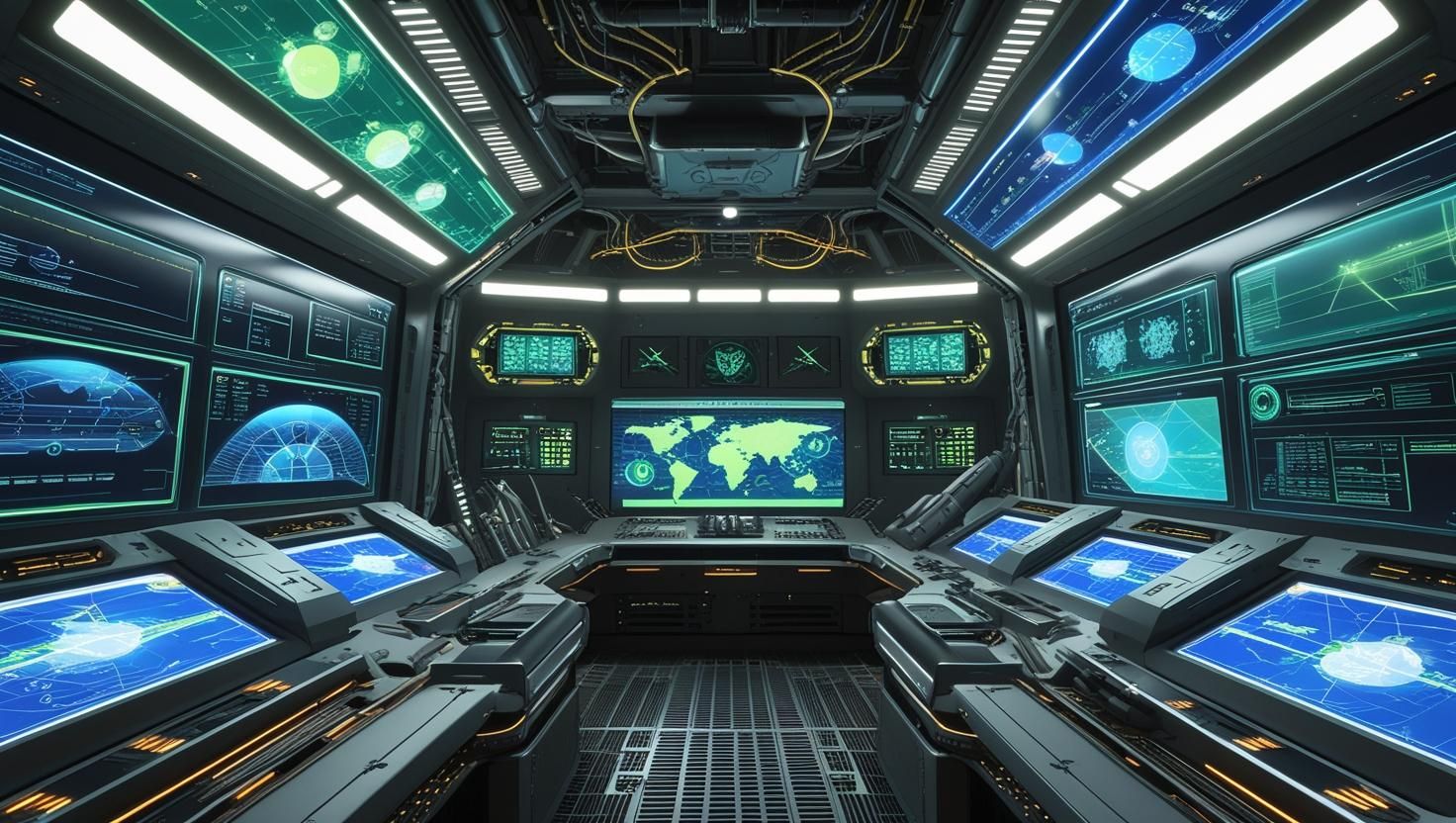
Air forces worldwide are increasingly embracing manned-unmanned teaming as a cornerstone of future combat operations. Modern fighter programs are no longer designed solely around aircraft performance but are being developed as networked command platforms capable of controlling drone formations, sharing targeting data, and orchestrating electronic warfare activities.
Countries including the United States, China, Australia, Russia, and Turkey are investing heavily in such capabilities, and India is steadily building the technological foundation required to adopt similar operational concepts.
While the AMCA is often viewed as the natural candidate for drone-control operations, the Tejas Mk1A could become India’s first practical implementation of the concept. The aircraft’s earlier induction timeline, combined with its indigenous software architecture and unrestricted access to mission systems, gives it a significant advantage in integrating future autonomous technologies.
Unlike imported fighters, where software modifications and mission-system upgrades often depend on foreign manufacturers, the Tejas platform allows India to independently develop and integrate AI-enabled capabilities, advanced networking systems, and evolving mission software.
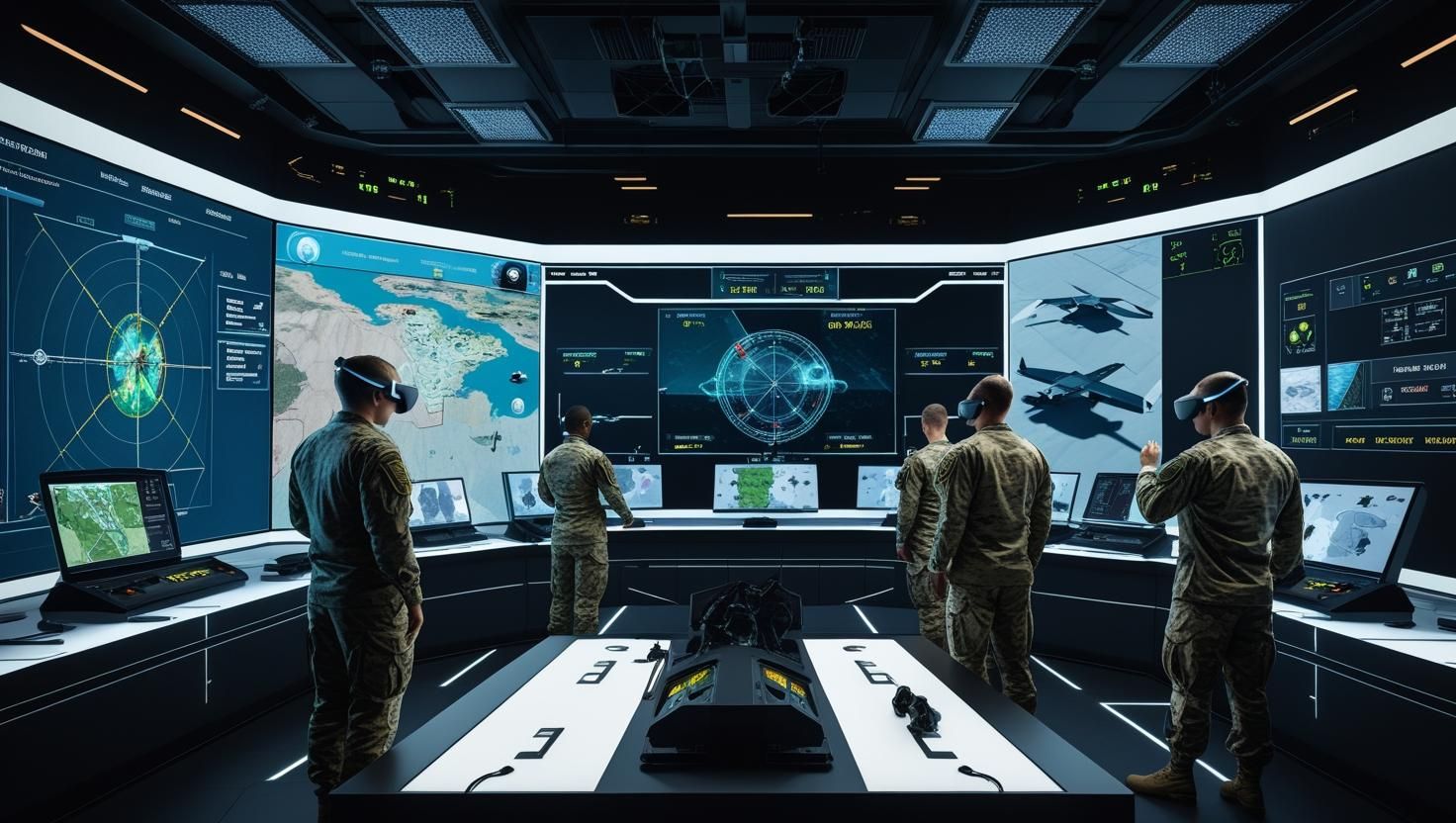
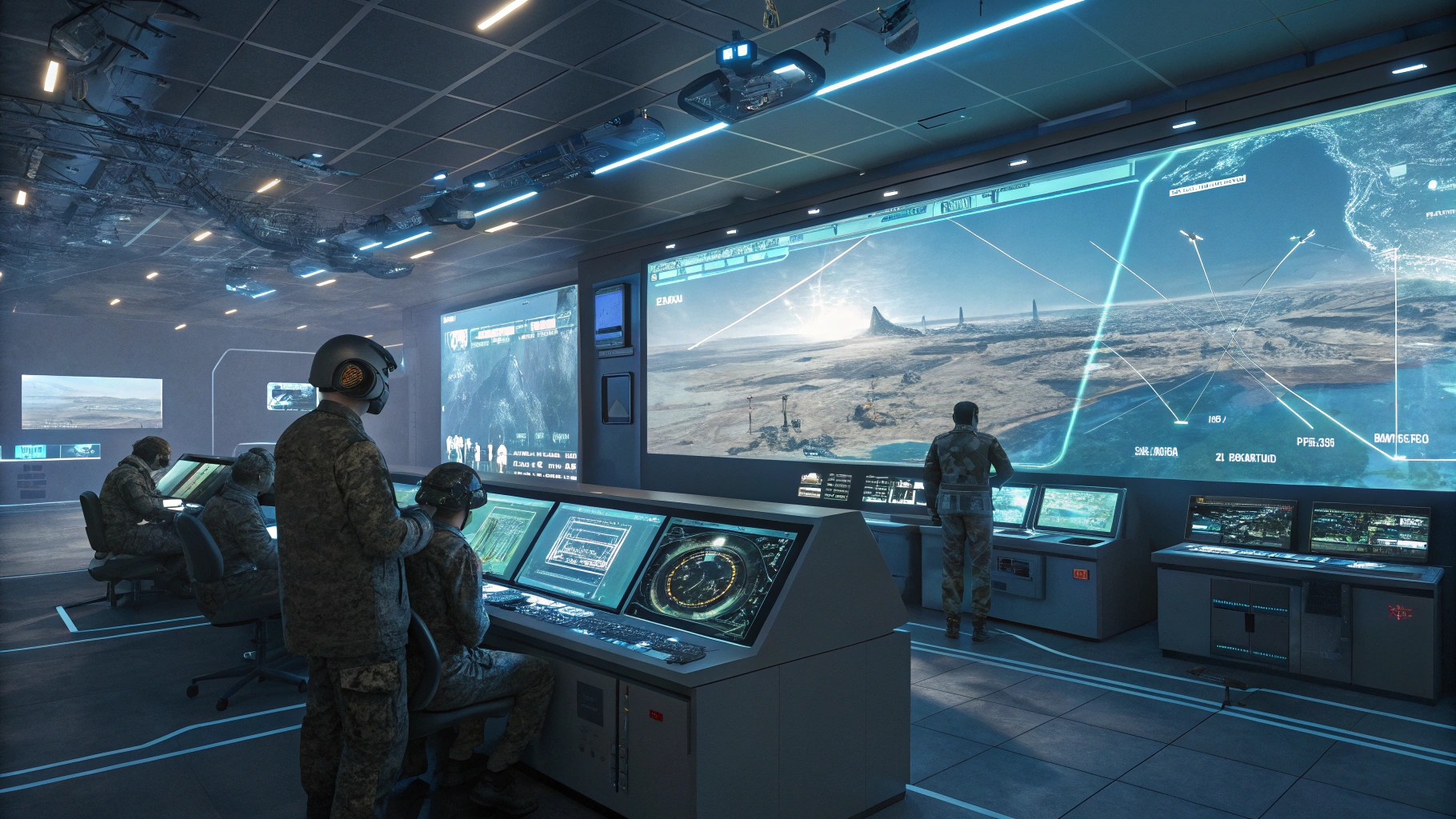
This flexibility is increasingly important as warfare shifts toward network-centric operations. Modern air combat is becoming less about individual aircraft engagements and more about sensor fusion, distributed targeting, and coordinated battlefield management. Fighters are gradually transforming into airborne command nodes within a larger combat ecosystem.
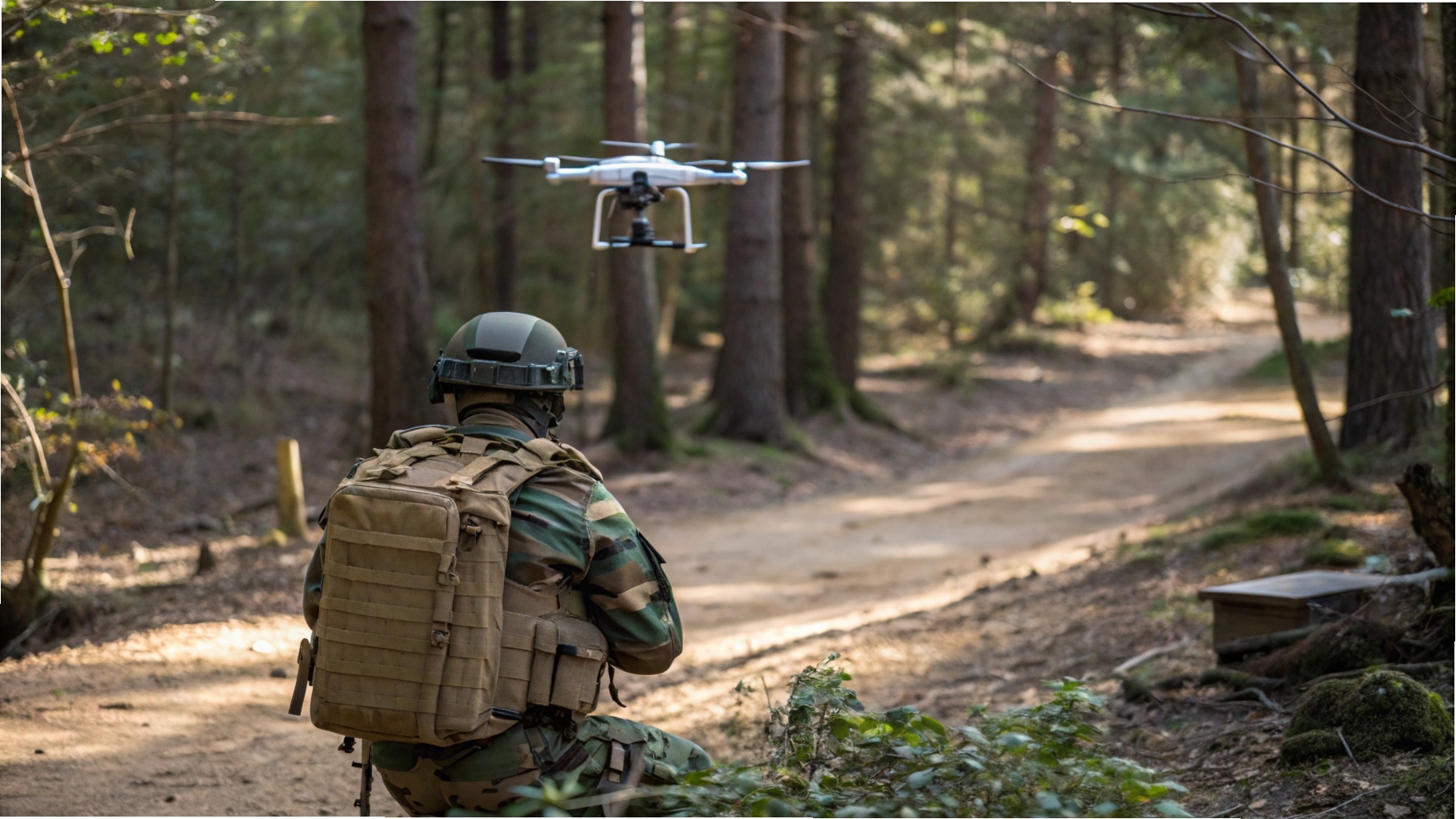
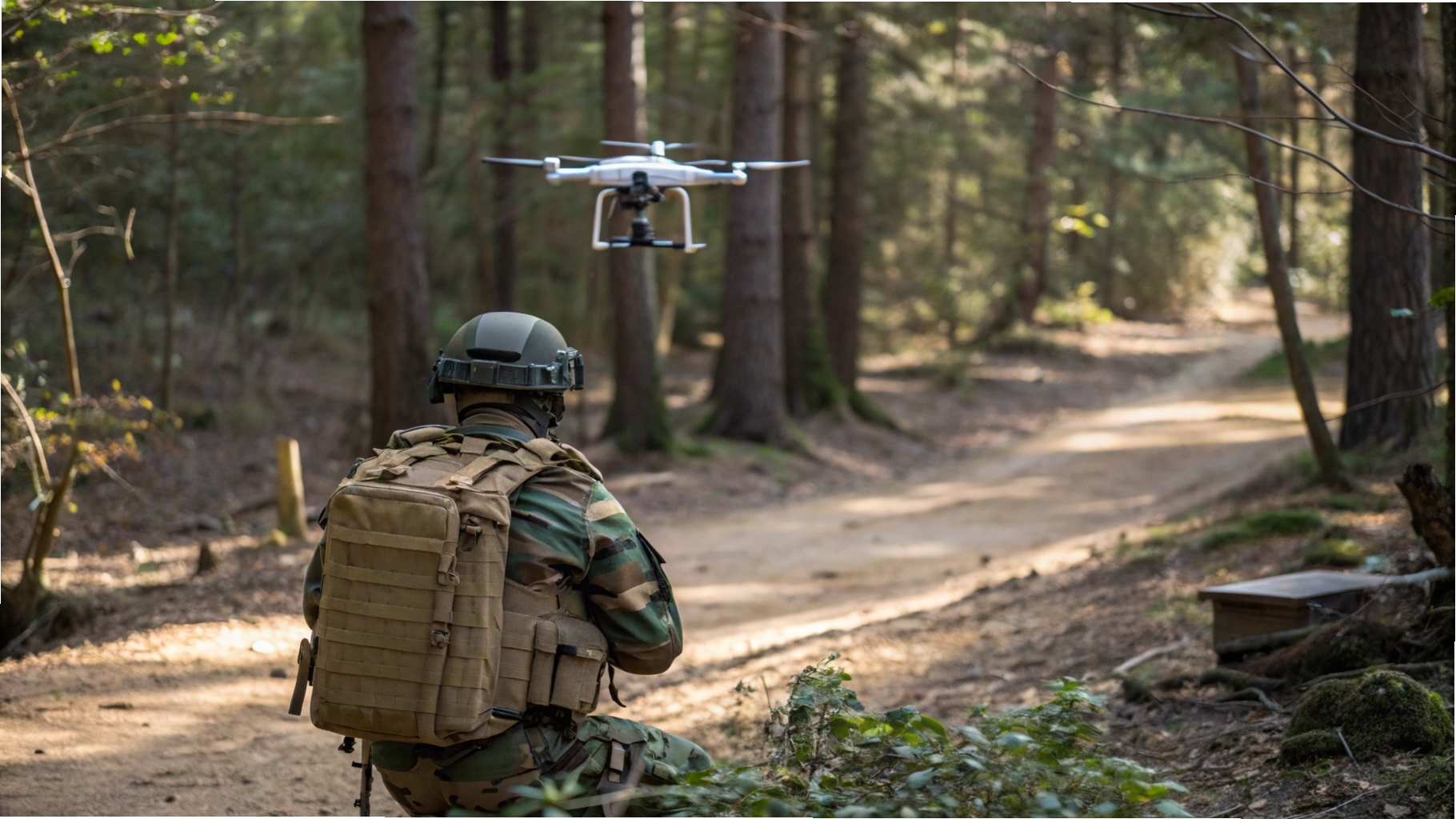
Within this framework, Tejas Mk1A could eventually control reconnaissance drones, receive real-time ISR intelligence, coordinate strike missions, and manage unmanned combat assets operating deep inside contested areas.
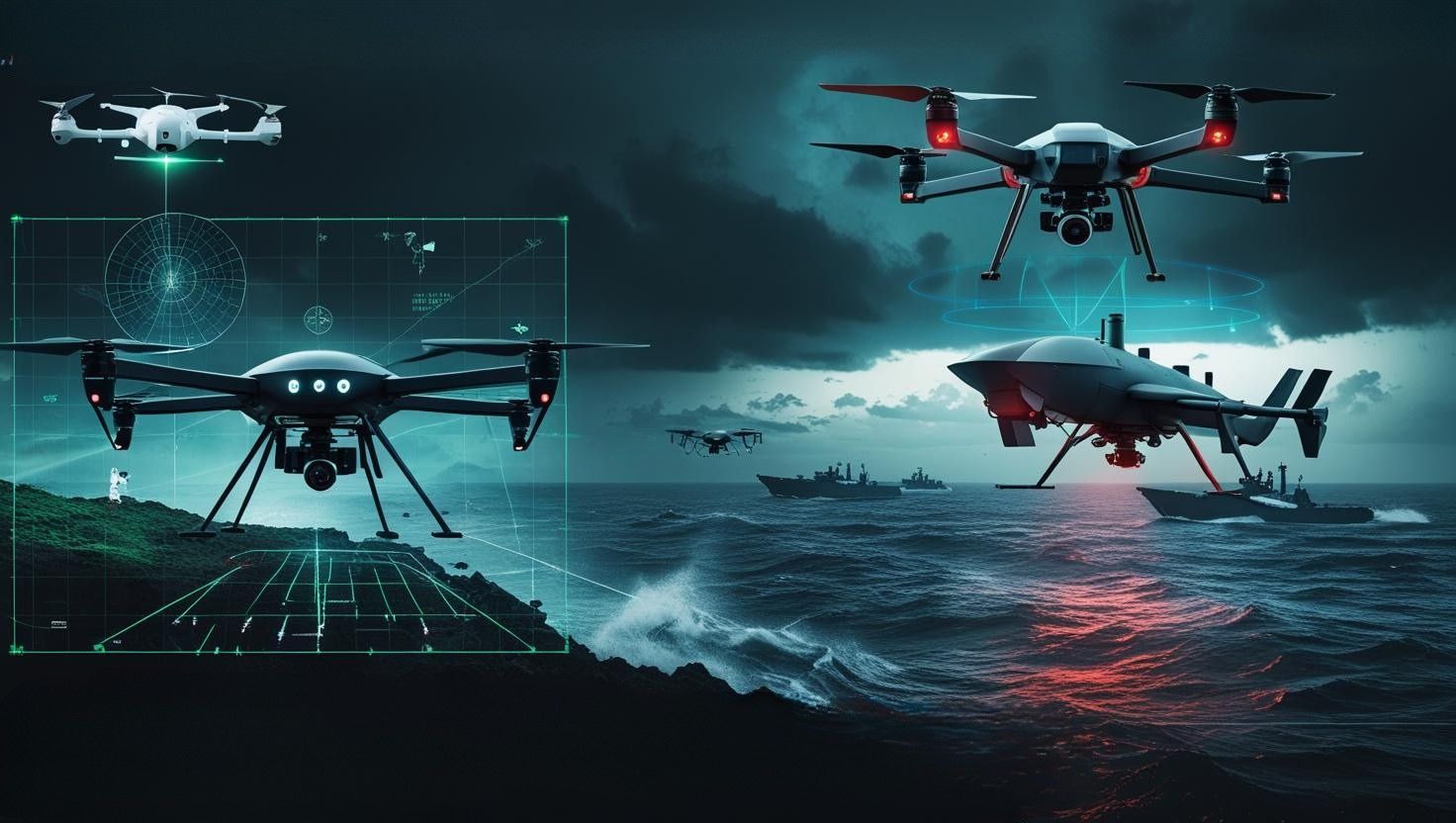
Future Indian loyal wingman programs may encompass stealth UAVs, electronic attack drones, reconnaissance platforms, decoy systems, and kamikaze drones working alongside Tejas squadrons. Depending on operational requirements and communications infrastructure, a single fighter could potentially supervise multiple unmanned platforms during a mission.
Each drone type could perform distinct battlefield functions. Reconnaissance UAVs could gather intelligence beyond the frontline, electronic warfare platforms could suppress enemy radar networks, decoy drones could overwhelm air defenses, and strike drones could engage heavily defended targets without risking manned aircraft.
This operational model carries particular relevance in the context of China’s growing investments in AI-enabled warfare, autonomous combat aviation, and coordinated drone swarm operations. Future military confrontations are likely to feature interconnected combat networks and unmanned strike systems rather than relying solely on traditional air-to-air engagements.
India’s defense ecosystem is already developing several technologies that could support such a transition. HAL’s CATS Warrior loyal wingman project, indigenous tactical datalinks, battlefield networking systems, and DRDO’s work on AI-driven target recognition, autonomous navigation, and swarm-control technologies all contribute to the foundation required for manned-unmanned teaming.
The open-architecture design of the Tejas Mk1A remains one of its most valuable long-term advantages. It provides the flexibility to integrate future drone-control systems, AI-assisted mission management software, swarm-command interfaces, and autonomous targeting functions without dependence on foreign vendors.
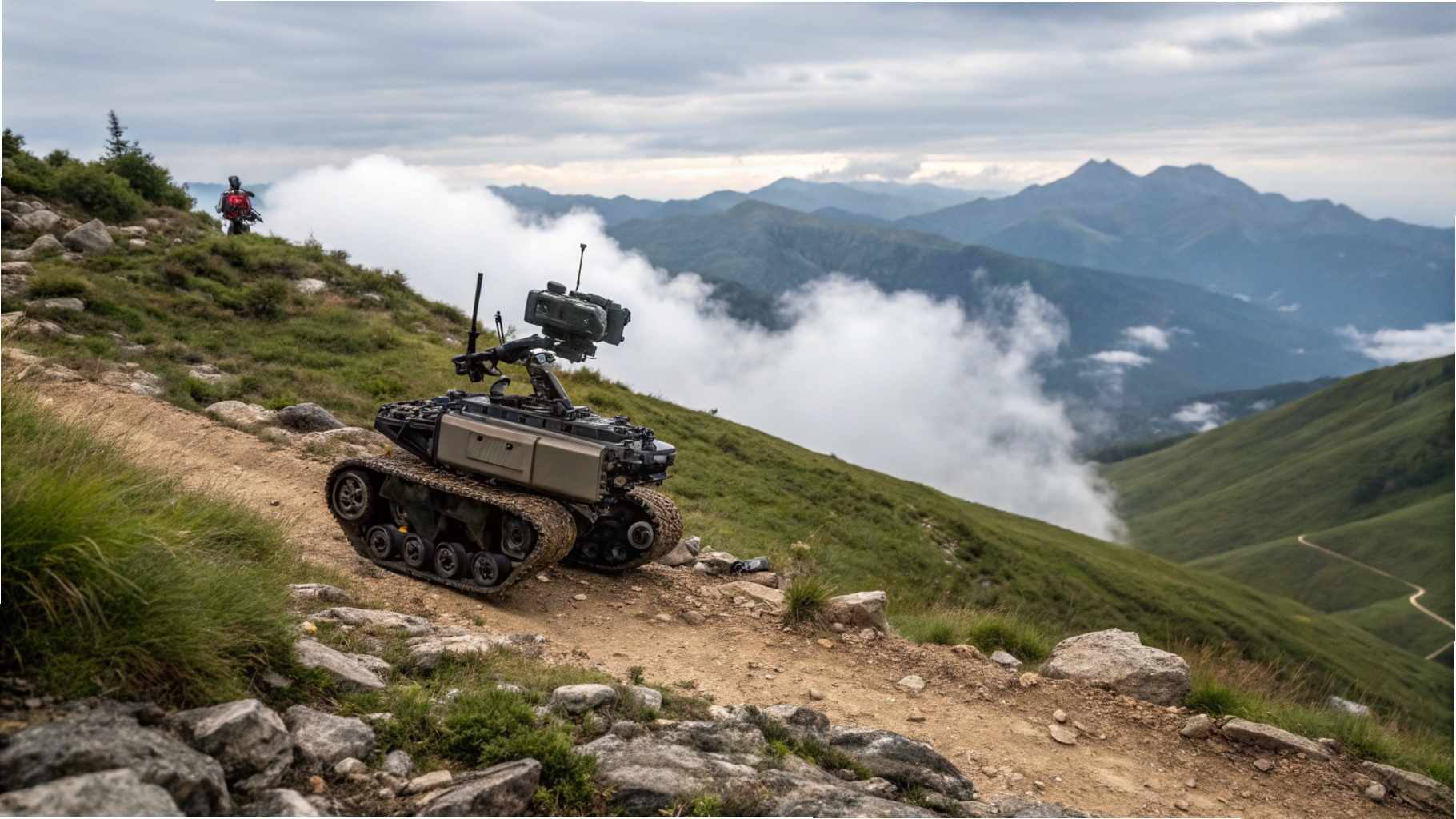
In a future high-intensity conflict, particularly in challenging regions such as the Himalayas, Tejas Mk1A aircraft could operate as command platforms directing ISR drones, electronic warfare UAVs, and loitering munitions from stand-off distances. These unmanned assets would conduct reconnaissance, suppress enemy defenses, strike targets, and feed real-time battlefield data back to the pilot, creating a highly networked and survivable combat force.