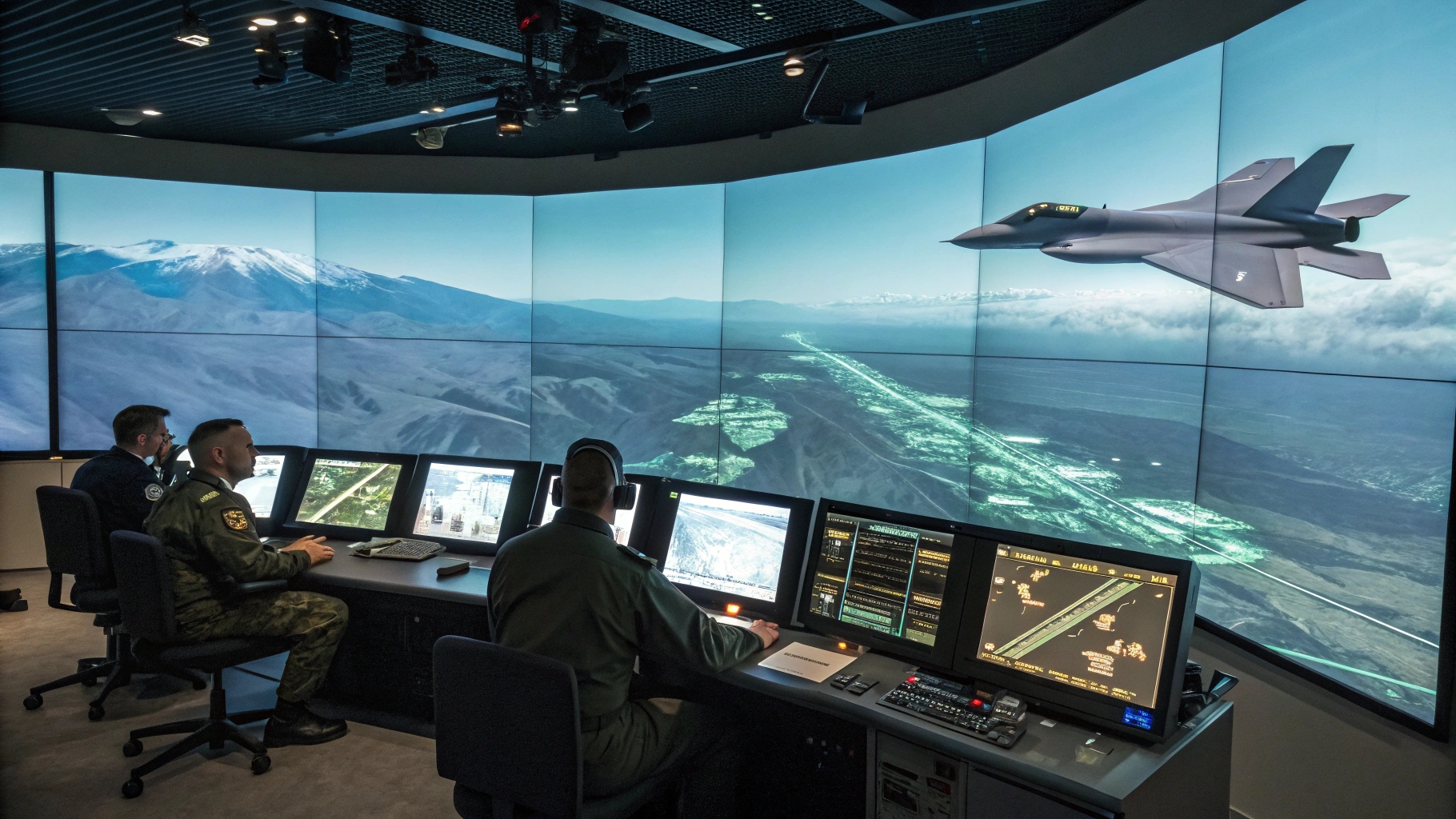
HAL and the Indian Navy are progressing with the development of the Navy Combat Air Teaming System (N-CATS), a carrier-capable Loyal Wingman drone designed to operate alongside crewed naval fighter aircraft. While the programme stems from HAL’s wider CATS initiative, newly unveiled concept visuals suggest that the naval variant may be an entirely new UCAV design rather than a navalized version of the existing CATS Warrior.
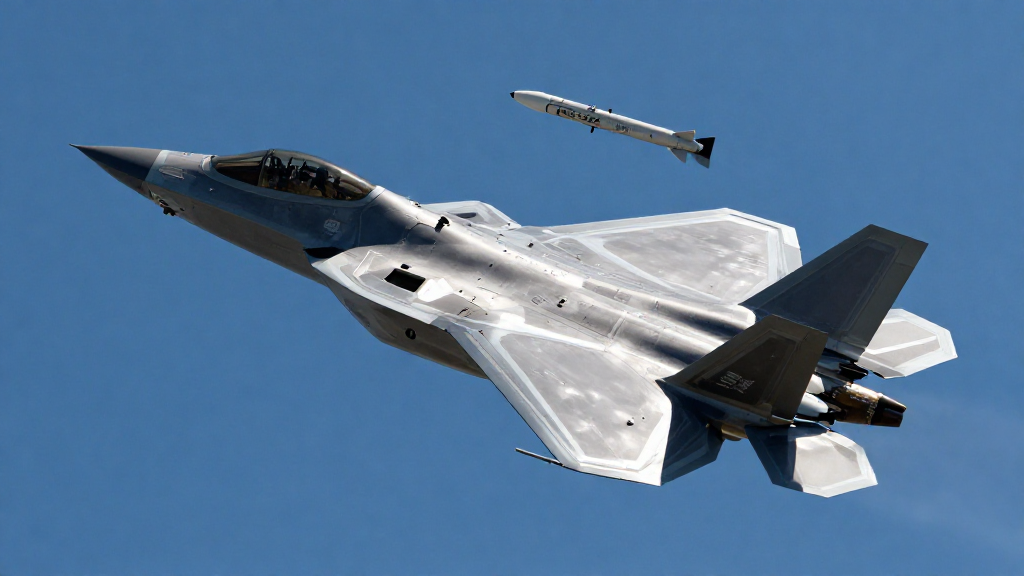
The concept depicts a stealth-oriented, multi-mission unmanned aircraft engineered for aircraft carrier operations. Key features include folding wings for carrier compatibility, low-observable shaping, advanced teaming capabilities with manned aircraft, and a weapons payload capacity of approximately one tonne.
This payload capacity represents a significant increase over the land-based CATS Warrior, which is capable of carrying about 650 kilograms. The higher payload figure, combined with the aircraft’s apparent twin air-intake configuration, indicates a larger airframe designed to accommodate greater fuel reserves, more powerful propulsion, and expanded mission capabilities.
Visual assessments of the concept suggest the platform could exceed three tonnes in maximum take-off weight. The larger size would be required to support naval-specific modifications such as strengthened structures for carrier operations, arrestor-capable landing gear, folding wings, enhanced avionics, and additional fuel for extended maritime missions.
The programme aligns with the Indian Navy’s strategy of incorporating unmanned systems into future carrier strike groups. Loyal Wingman platforms are intended to work closely with manned fighters, providing additional sensing capabilities, carrying weapons, conducting electronic warfare, performing surveillance missions, and increasing overall combat effectiveness.
The N-CATS drone could eventually operate alongside MiG-29K fighters and the Navy’s planned Rafale M fleet. In combat scenarios, it could enter contested airspace ahead of manned aircraft, detect and track targets, transmit real-time intelligence, deploy stand-off munitions, or serve as a decoy to overwhelm hostile air-defense systems.
Developing a carrier-based UCAV presents unique technical challenges compared to land-based programmes. The aircraft must be capable of handling ski-jump or catapult launches, arrested recoveries, harsh maritime conditions, and intensive deck operations. These requirements are likely driving substantial design changes, reinforcing the view that N-CATS is evolving into a dedicated naval combat drone.
N-CATS also complements the Navy’s broader unmanned aviation roadmap, which includes the NUCAV programme derived from the Ghatak UCAV. Whereas NUCAV is expected to emphasize deep-strike missions, long endurance, and aerial refuelling roles, N-CATS is being positioned as a tactical combat-teaming platform optimized for carrier air wing operations.