
DRDO has reached a major milestone in India’s missile defence efforts by completing the final developmental trials of the Phase 2 Ballistic Missile Defence programme. The achievement strengthens the country’s ability to defend against long-range ballistic missile attacks and moves India closer to deploying an advanced layered shield capable of engaging high-speed strategic threats.
The Phase 2 system is built around two next-generation interceptors, AD-1 and AD-2, which are designed to destroy incoming ballistic missiles both within the Earth’s atmosphere and in the exo-atmospheric region of flight. This dual-layer interception capability enhances the probability of successfully neutralizing hostile missiles before they reach their intended targets.
While official statements indicate that the system is intended to counter intercontinental ballistic missile threats, reports suggest that the recent tests focused on targets representing missiles with ranges of 2,000–5,000 kilometres. Such weapons are generally categorized as intermediate-range ballistic missiles, whereas ICBMs are defined as missiles capable of travelling more than 5,500 kilometres.
India’s missile defence journey began in 1999 in response to evolving regional security challenges. The programme achieved a significant breakthrough in 2006 when a Prithvi-II missile was intercepted successfully at an altitude of around 48 kilometres, demonstrating the viability of indigenous missile defence technologies.
Phase 1 of the BMD programme was completed in 2019 and established a protective shield for key strategic locations, including the national capital and major economic centres. The phase incorporated the Prithvi Defence Vehicle and Advanced Air Defence interceptor systems, capable of engaging ballistic missile threats at altitudes of approximately 100 kilometres and 25 kilometres respectively.
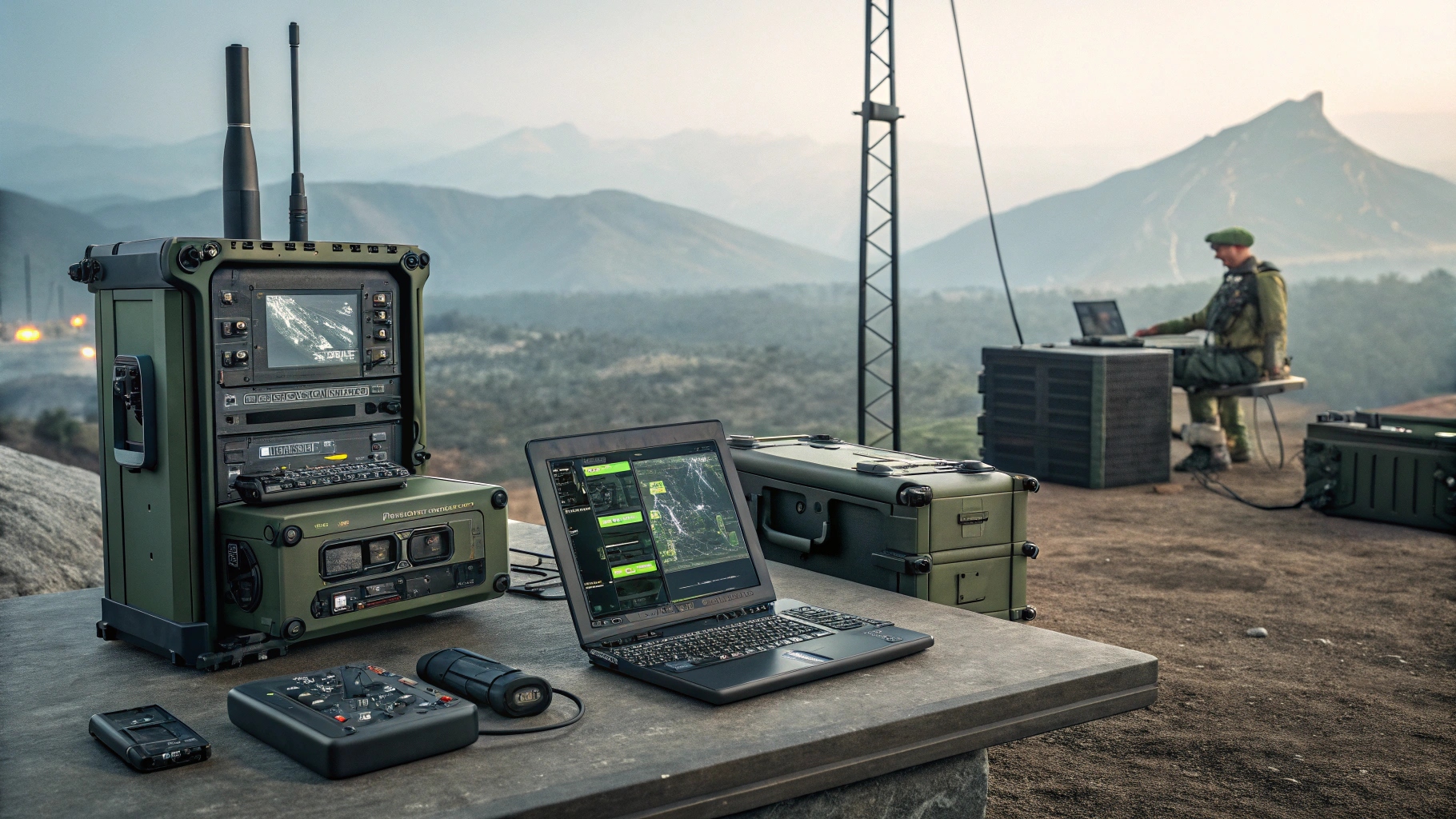
Supporting the interceptor network is the Long Range Tracking Radar, an indigenous system developed using technologies associated with Israel’s Green Pine radar. The LRTR significantly improves India’s missile detection capability, reportedly extending target tracking ranges beyond 1,500 kilometres and providing valuable reaction time against incoming threats.
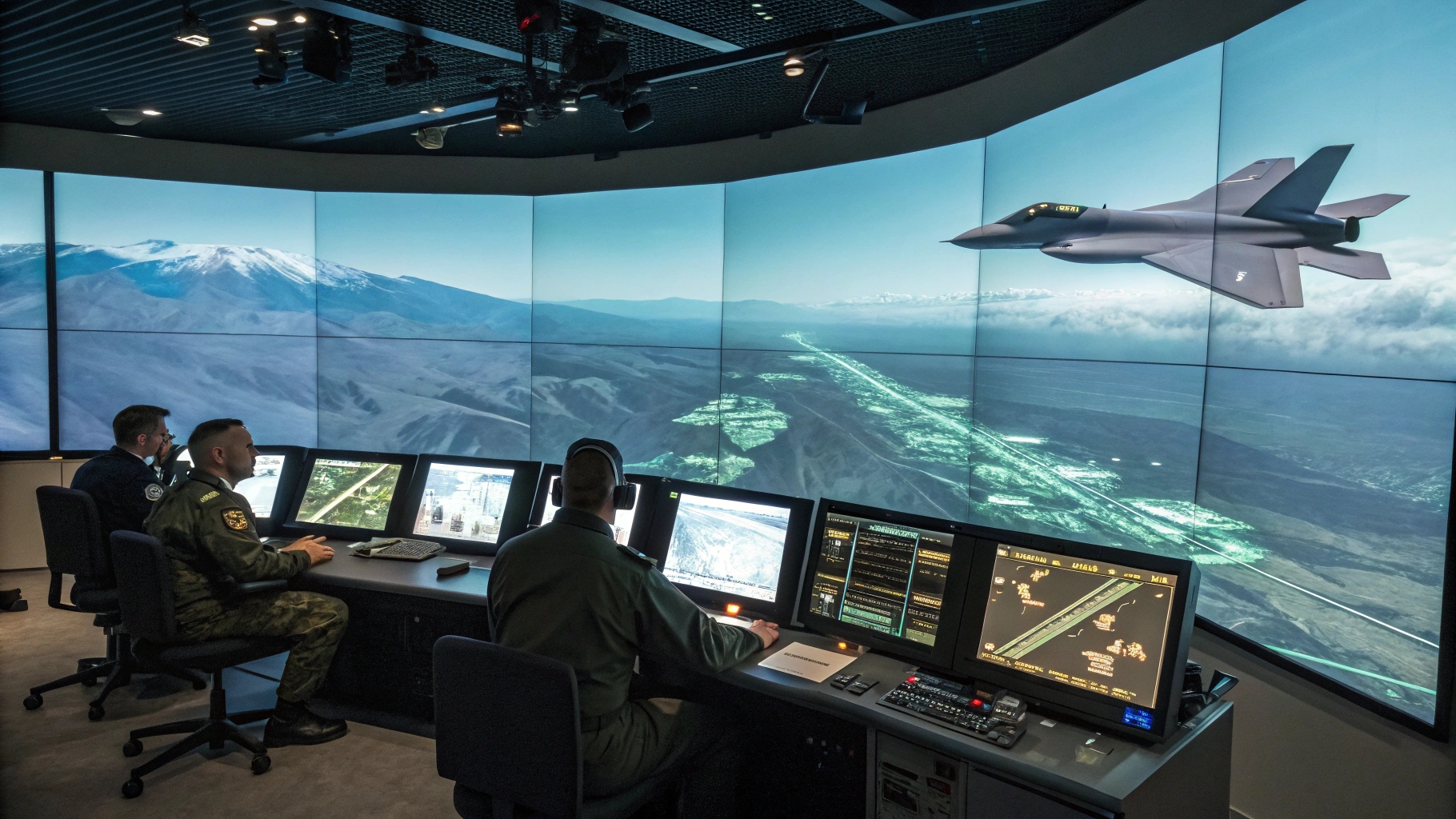
The overall BMD architecture integrates a network of sensors, interceptor launchers, launch control facilities, and mission control centres connected through secure communication links. This allows real-time data sharing, coordinated engagements, and centralized command-and-control during missile defence operations.
India is now preparing for the next stage of development through Phase 3 of the programme. The upcoming phase is expected to address advanced challenges posed by hypersonic weapons and MIRV-equipped ballistic missiles, ensuring that the country’s missile defence capabilities continue to evolve alongside emerging global missile technologies.