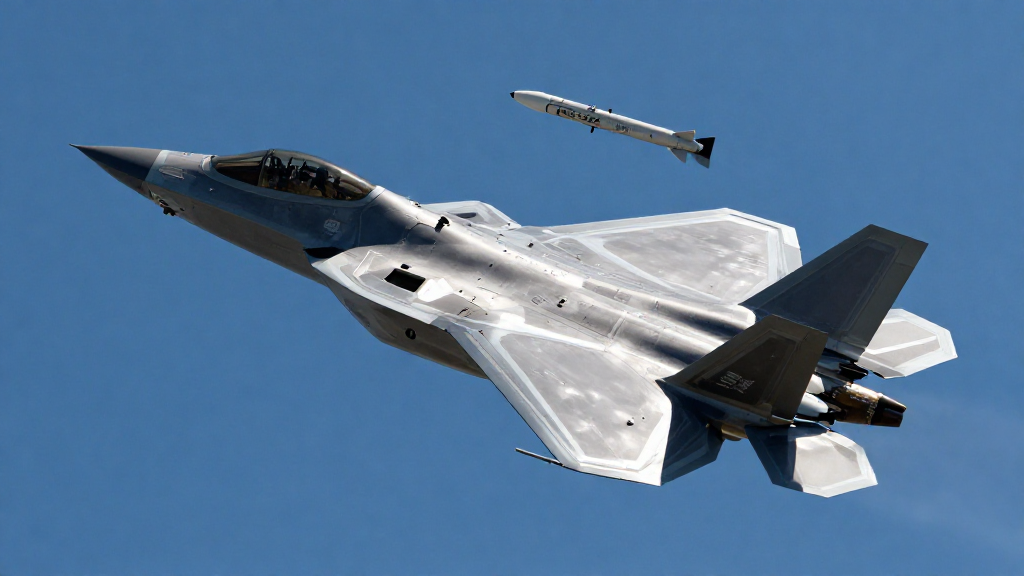

MBDA has achieved another key milestone in the development of its MICA NG air-to-air missile after a Rafale fighter successfully carried out the weapon’s second development firing test. The event marked the missile’s first launch from a Rafale operating in a supersonic flight regime and was conducted at the DGA Missile Testing Centre in the Mediterranean region with support from MBDA, Dassault Aviation, the DGA, and the French Air and Space Force.
The objective of the trial was to verify the performance of the missile’s imaging infrared seeker in the intense thermal environment generated by high-speed flight above Mach 1. Under such conditions, the reduced temperature difference between targets and background surroundings can complicate target acquisition. The successful outcome demonstrated the seeker’s ability to maintain effective detection and tracking capabilities, further advancing the missile toward full operational qualification and integration on the Rafale.
The latest test builds on the missile’s initial developmental firing completed in June 2025. MICA NG, or MICA Next Generation, belongs to MBDA’s family of all-weather air-to-air missiles and maintains the same physical dimensions as the current MICA, with a length of 3.1 meters, a diameter of 160 millimeters, and a weight of 112 kilograms. It is offered with either an active RF AESA seeker or a passive imaging infrared seeker, providing operational flexibility across different mission scenarios.
Capable of performing both short-range and beyond-visual-range engagements, the MICA NG offers substantially improved capabilities, including up to 40 percent greater range. According to MBDA, the missile is designed to counter a diverse range of aerial threats, from conventional aircraft and helicopters to drones, stealth platforms, and low-signature cruise missiles.