
The joint Russian-Chinese Advanced Heavy Lift (AHL) helicopter programme is moving closer to production as both countries continue work on a next-generation rotorcraft tailored for demanding missions in mountainous and high-altitude environments. First unveiled in 2019, the project has now advanced to the state audit stage in China, marking another milestone in its development journey.
Developed under the leadership of AVIC, the AHL is intended primarily for the Chinese market, while Russia’s contribution focuses on critical technologies and systems that remain outside China’s current industrial expertise. According to Rostec representatives, Russian industry is providing key components such as advanced gearboxes, transmission technologies, and other essential helicopter assemblies.
The future helicopter is expected to occupy the capability gap between Russia’s Mi-171 and Mi-26 heavy-lift platforms, offering a payload capacity of approximately 14 to 16 tonnes. Such performance would make it substantially more capable than existing Chinese military helicopters, including the Z-18, currently the heaviest rotorcraft in service with China’s armed forces.
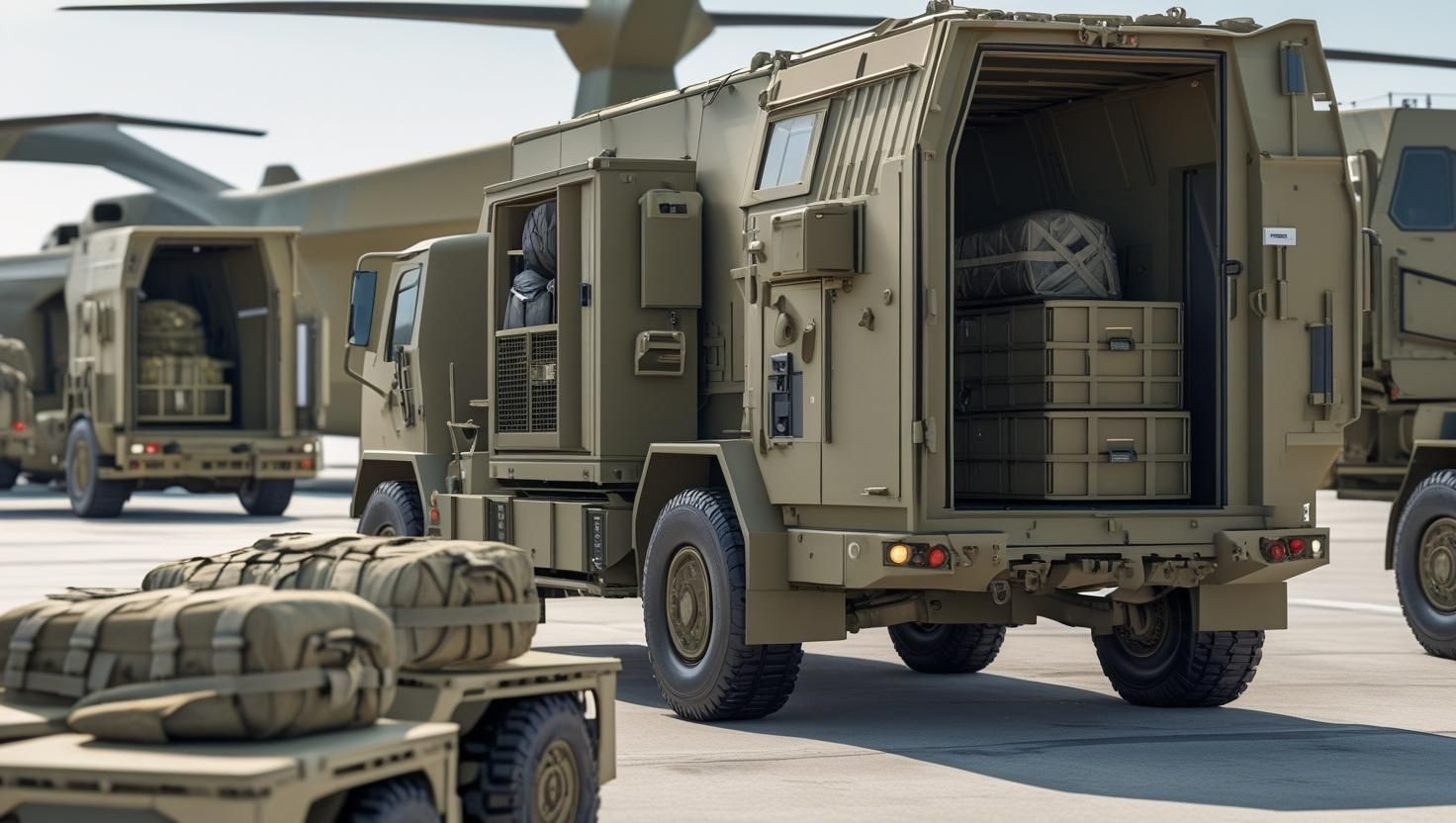
One of the programme’s principal goals is to address the unique operational challenges posed by high-altitude regions such as the Tibetan Plateau, where reduced air density can severely affect helicopter lift, payload capacity, and engine efficiency. The AHL is being designed to transport troops, military equipment, and logistical supplies more effectively in these demanding environments, thereby improving operational readiness and sustainment capabilities.
The helicopter is also expected to play an important role in strengthening China’s strategic air mobility, supporting rapid deployment operations across remote regions and providing additional flexibility during potential military contingencies. Chinese investment in the programme is reportedly around $2 billion, while long-term plans envision the acquisition of roughly 200 helicopters, representing a procurement effort valued at approximately $20 billion.