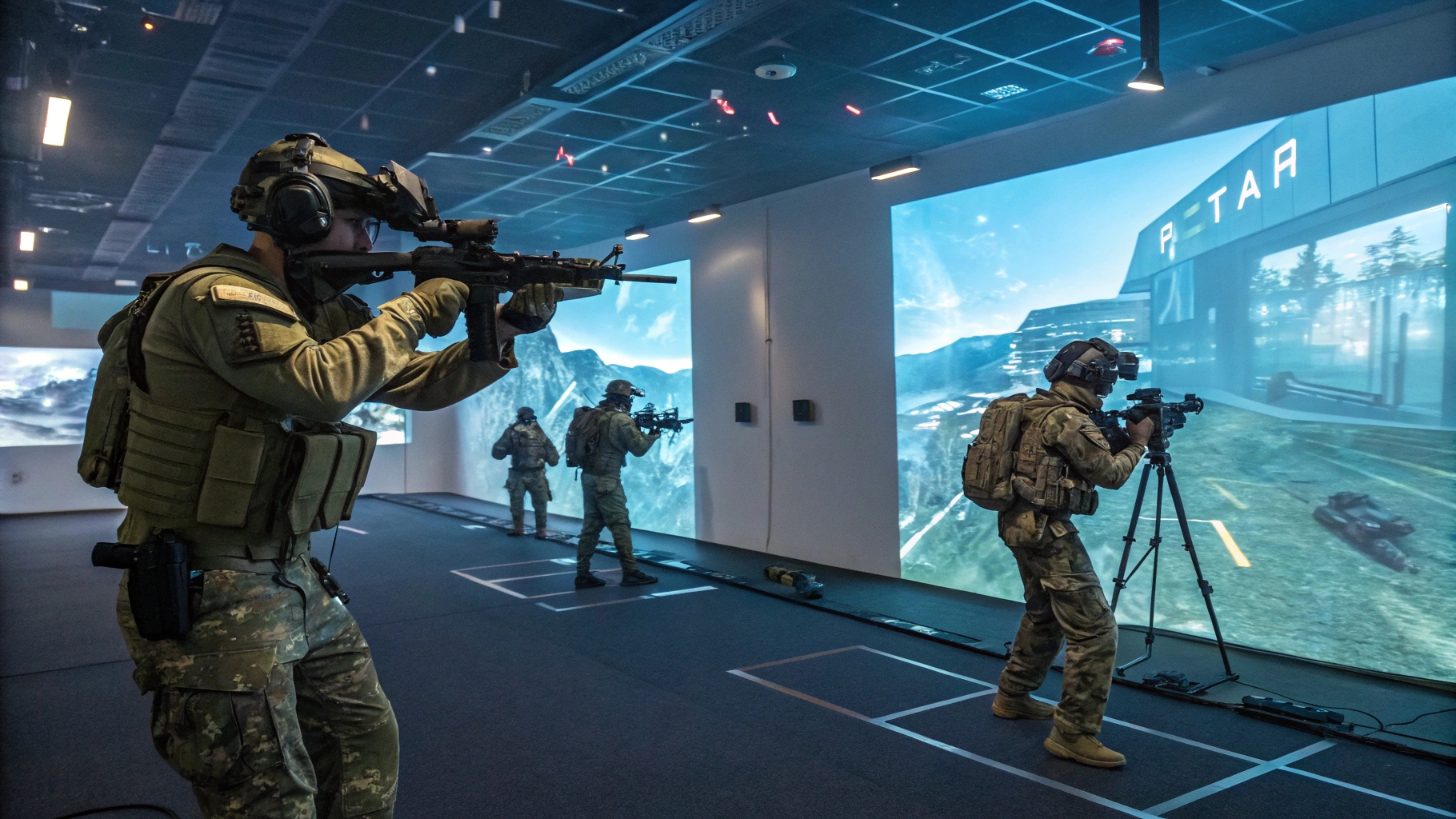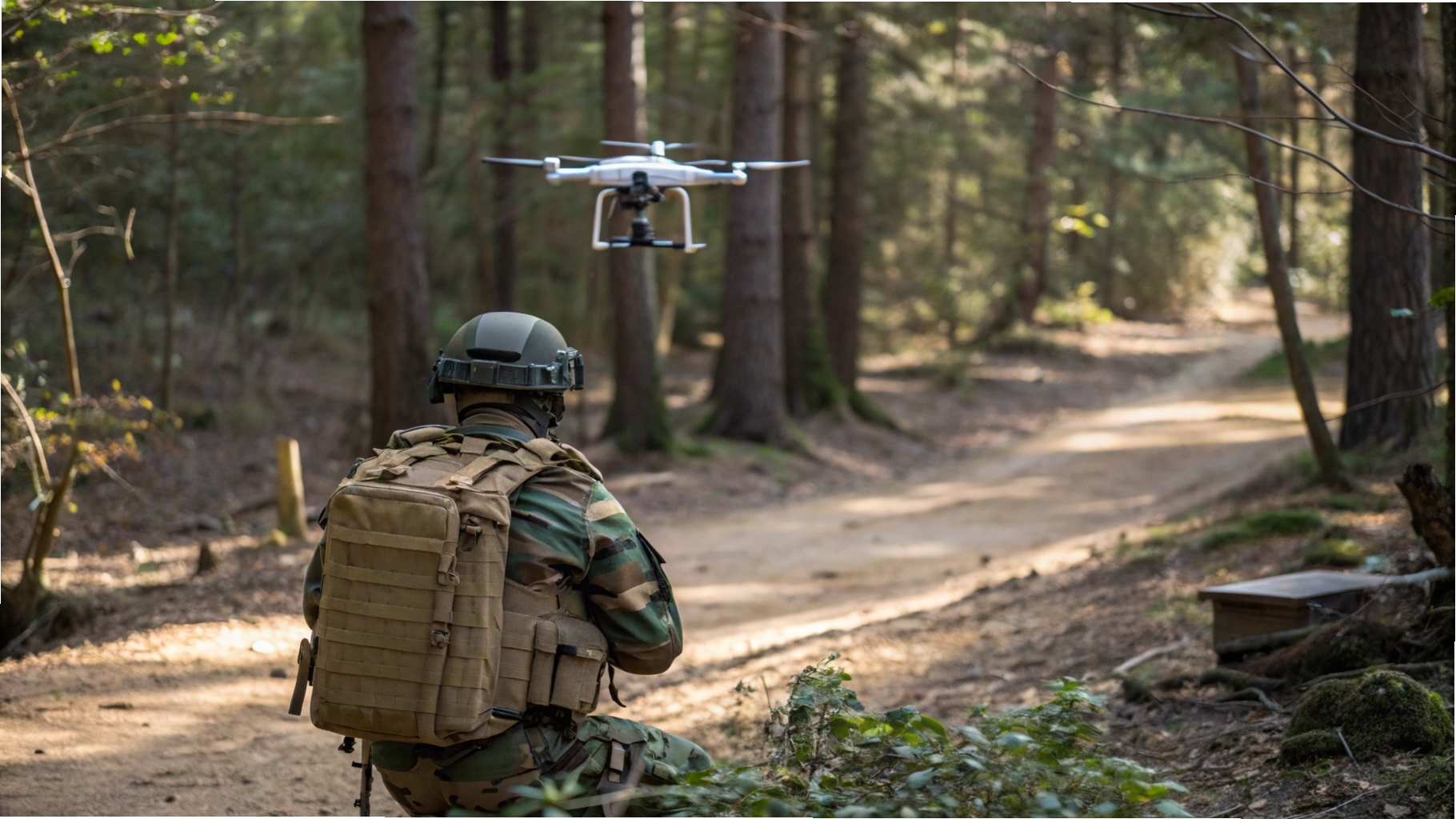

The future of armored warfare is increasingly being defined by connectivity, automation, and information dominance rather than armor protection alone. In response to this shift, Europe has launched the Main Ground Combat System (MGCS), one of the most ambitious land combat modernization efforts currently underway.
Led by France and Germany, MGCS aims to create a next-generation combat ecosystem capable of operating effectively in battlefields saturated with drones, precision-guided weapons, and advanced surveillance systems.
Understanding MGCS
The Main Ground Combat System is a multinational program designed to eventually replace the Leclerc and Leopard 2 main battle tanks. However, MGCS is not intended to be a single armored vehicle. Instead, it is envisioned as a fully integrated battlefield system combining crewed combat platforms, autonomous ground vehicles, sensor networks, and digital command systems.
The concept reflects a growing recognition that future battlefield success will depend on information sharing, rapid decision-making, and coordinated operations across multiple domains.
Why MGCS Was Created
The program emerged from concerns about the survivability of traditional tanks in modern combat environments. Recent conflicts have highlighted the effectiveness of anti-tank missiles, loitering munitions, drone reconnaissance, and networked targeting systems against armored formations.
To address these challenges, France and Germany chose to pursue a revolutionary approach rather than incremental upgrades to existing platforms.
The System-of-Systems Approach
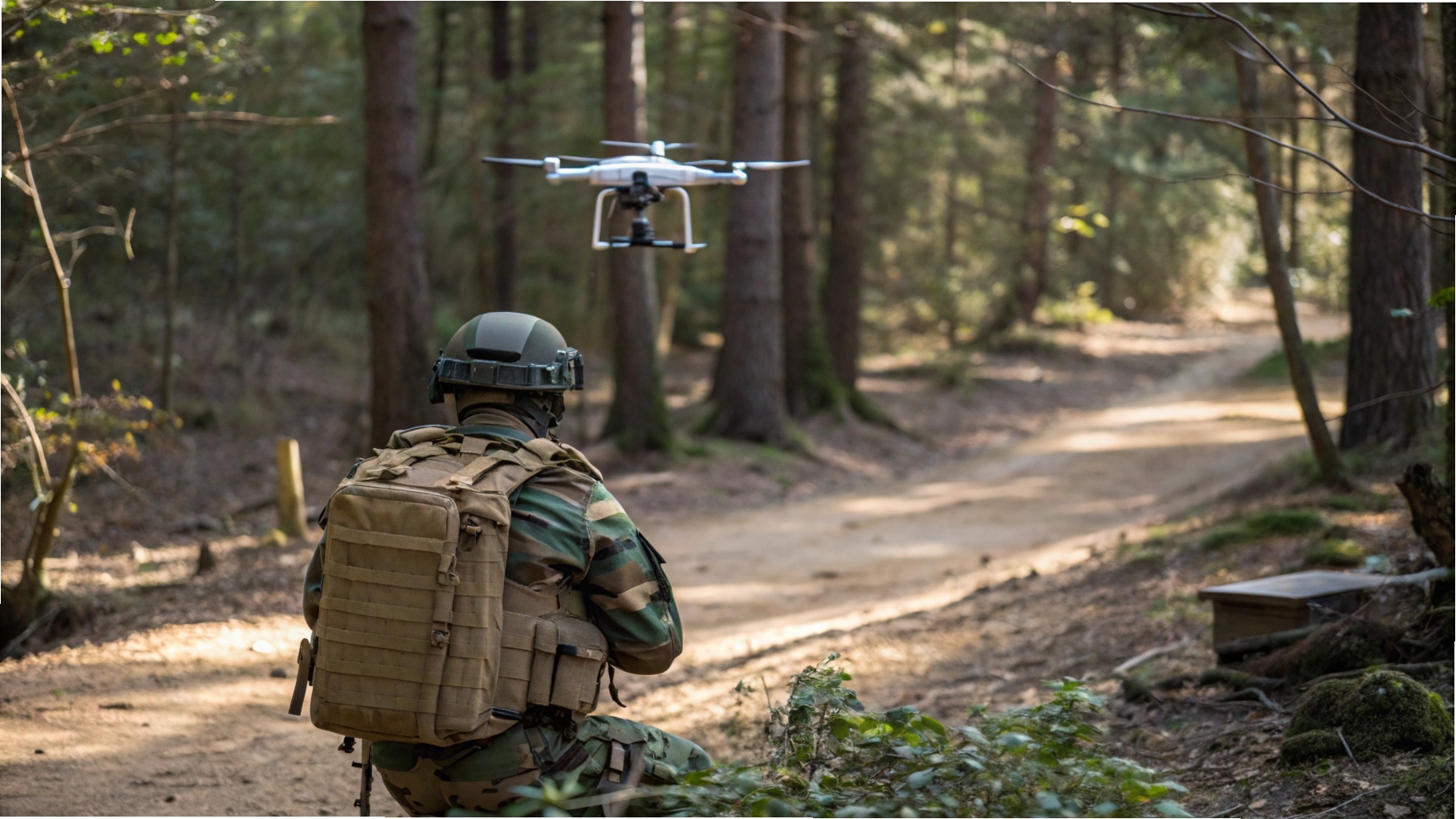
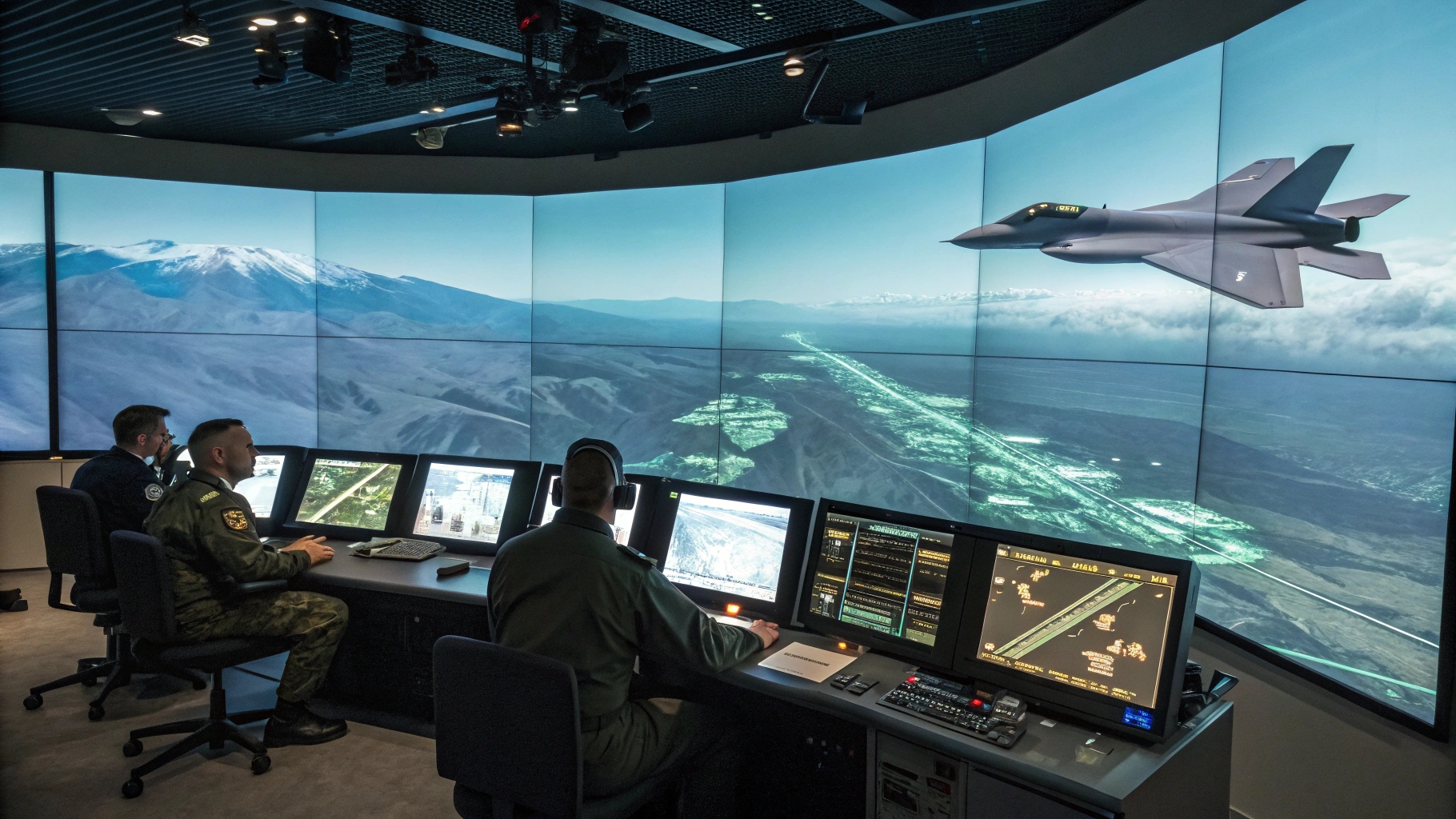
MGCS is built around a networked architecture where manned combat vehicles function as protected command hubs while unmanned systems perform reconnaissance, fire support, and other dangerous missions.
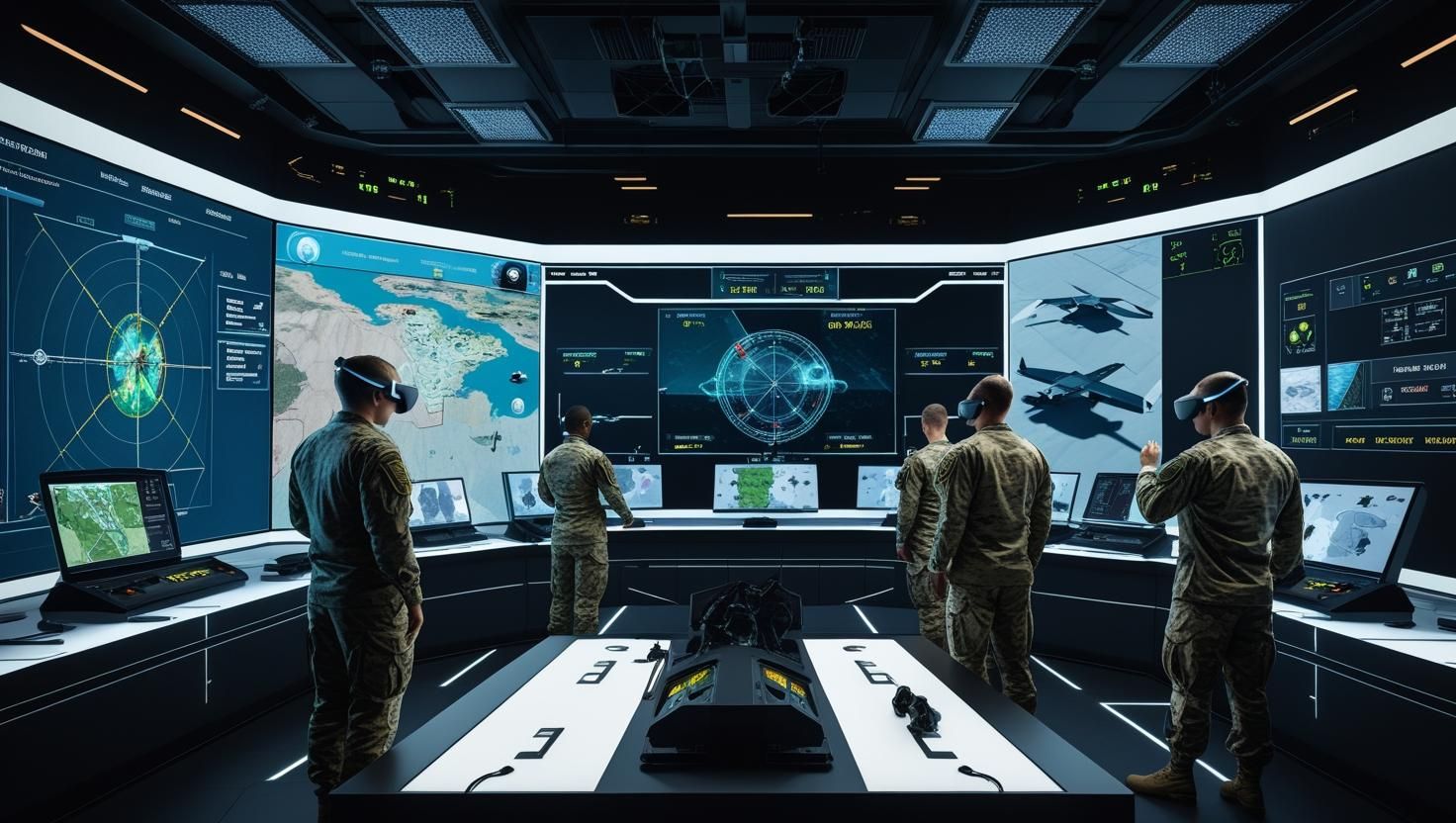
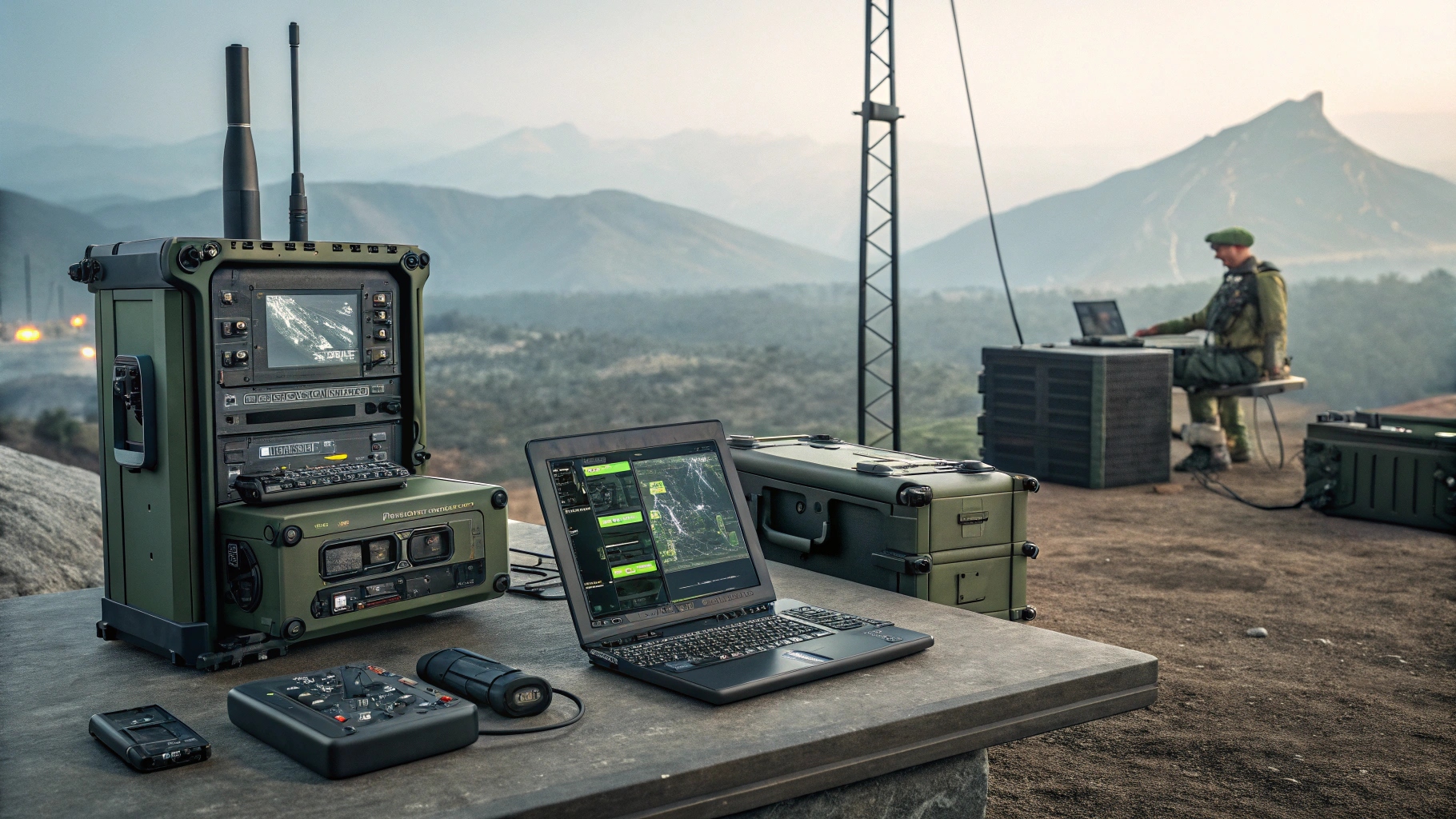
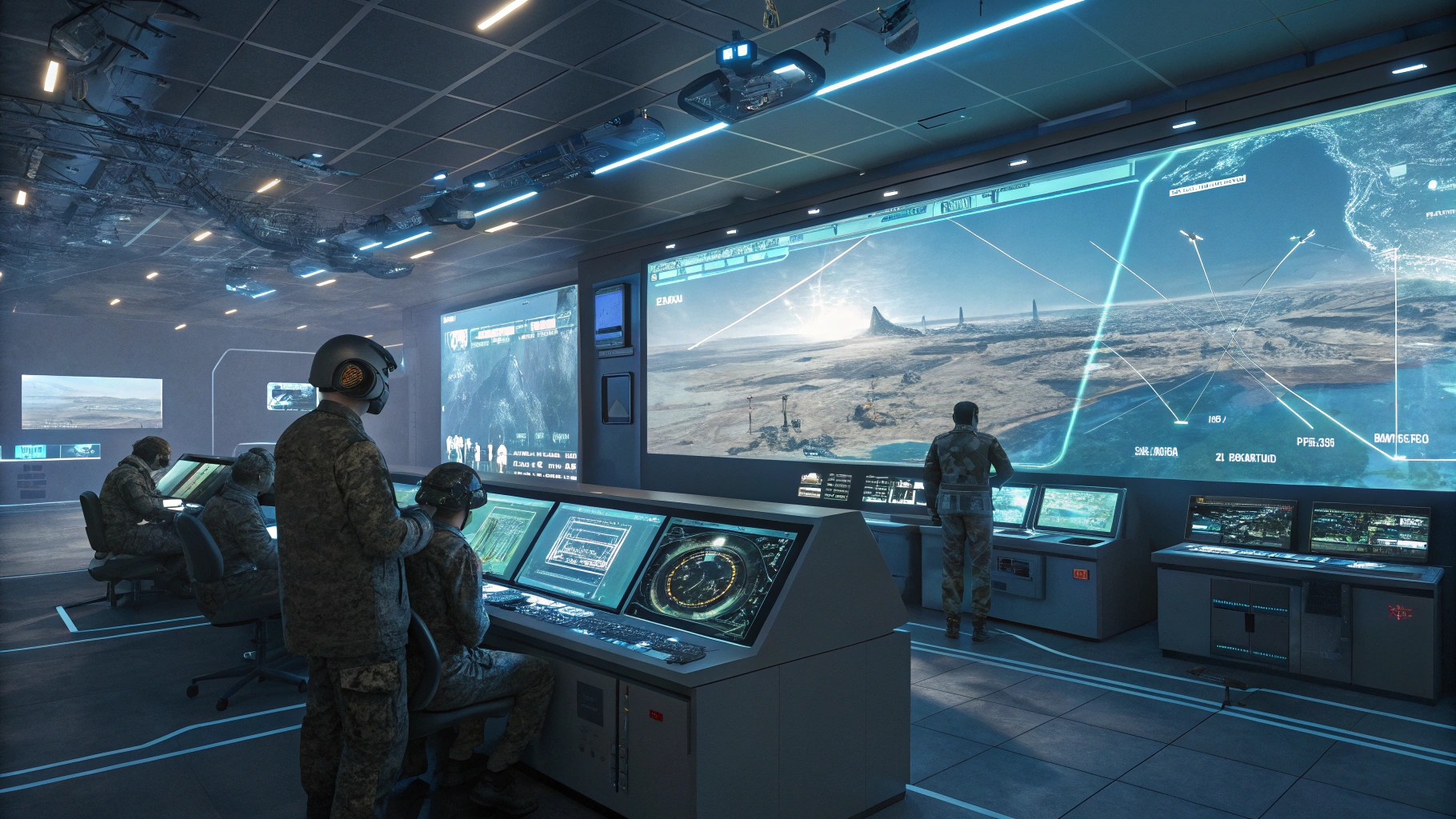
Supporting these platforms will be an advanced sensor ecosystem that merges data from radar systems, electro-optical sensors, and AI-driven target recognition technologies. A digital command network will connect all components, enabling real-time data exchange and coordinated battlefield operations.
Core Objectives
The MGCS initiative is designed to achieve several strategic goals:
Enhance battlefield survivability through distributed operations
Enable seamless integration with air, artillery, and unmanned assets
Deliver greater firepower through advanced weapon technologies
Increase automation to reduce crew workload and exposure to threats
Provide long-term flexibility through modular design principles
Key Obstacles
While the vision is ambitious, the program faces significant hurdles. These include balancing the industrial interests of participating nations, integrating emerging technologies such as AI and autonomy, controlling costs, and maintaining schedule discipline throughout development.
Looking Ahead
MGCS represents a major departure from conventional tank development. Instead of relying on a single heavily armored platform, future European armored forces may operate as interconnected combat networks that combine human decision-making with autonomous capabilities. As development progresses, MGCS continues to serve as a leading example of how armored warfare is evolving toward a more digital, distributed, and network-centric future.