Speculation surrounding the possible use of Indian sonar technology in Taiwan’s indigenous submarine programme has attracted widespread interest, but no official confirmation has been provided by either New Delhi or Taipei. As of now, there is no publicly available evidence to substantiate claims that India has exported military sonar systems or related naval technologies to Taiwan.
Despite the lack of confirmation, the reports reflect the increasing strategic relevance of India and Taiwan in advanced maritime technologies. Both countries are expanding indigenous capabilities while navigating complex geopolitical dynamics involving China.
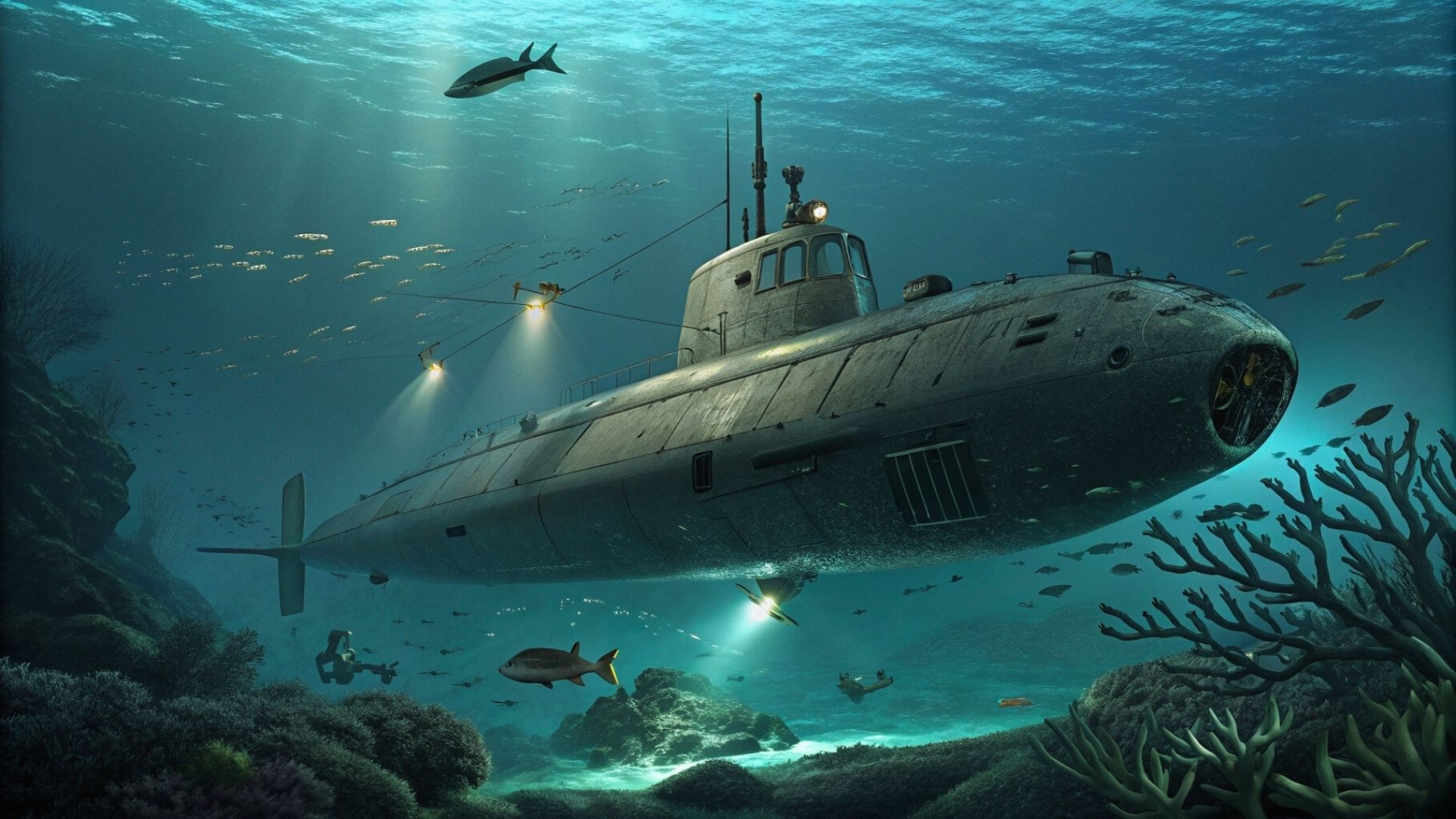
Taiwan’s indigenous submarine initiative is aimed at enhancing its underwater defence capabilities amid rising regional security challenges. Owing to diplomatic restrictions and limited access to traditional defence suppliers, Taiwan has relied on a global network of companies for specialised technologies, engineering expertise, and key components. Previous media reports have suggested that suppliers from several countries have quietly contributed to the programme, although many details remain undisclosed.
India has also made significant advances in underwater warfare technology through DRDO’s Naval Physical and Oceanographic Laboratory, which developed indigenous sonar systems such as USHUS for submarines and HUMSA for surface combatants. These programmes have strengthened India’s self-reliance in naval sensors and reduced dependence on foreign systems.
Analysts note that any potential Indian involvement, if it exists, would likely involve commercially available technologies, engineering support, or dual-use components supplied by private industry rather than direct government transfers of military sonar equipment. There is currently no verified evidence that Indian naval sonars, including USHUS or HUMSA, have been supplied to Taiwan.
India’s export control regime under the SCOMET framework strictly regulates military and dual-use technologies, requiring approvals based on the nature of the equipment and its intended application. Many maritime technologies, including underwater acoustic sensors and electronic processing systems, are inherently dual-use and serve both civilian industries and defence applications.
Looking ahead, India’s expanding defence manufacturing ecosystem and Taiwan’s expertise in semiconductors, electronics, and precision engineering could create opportunities for future civilian or dual-use maritime cooperation. India is also advancing indigenous Air Independent Propulsion (AIP) technologies for conventional submarines, while Taiwan remains a global leader in advanced electronics and battery technologies. Nevertheless, without official government statements, procurement documentation, or confirmation from participating companies, reports of Indian sonar technology being used in Taiwan’s submarine programme remain speculative and should be treated with caution.