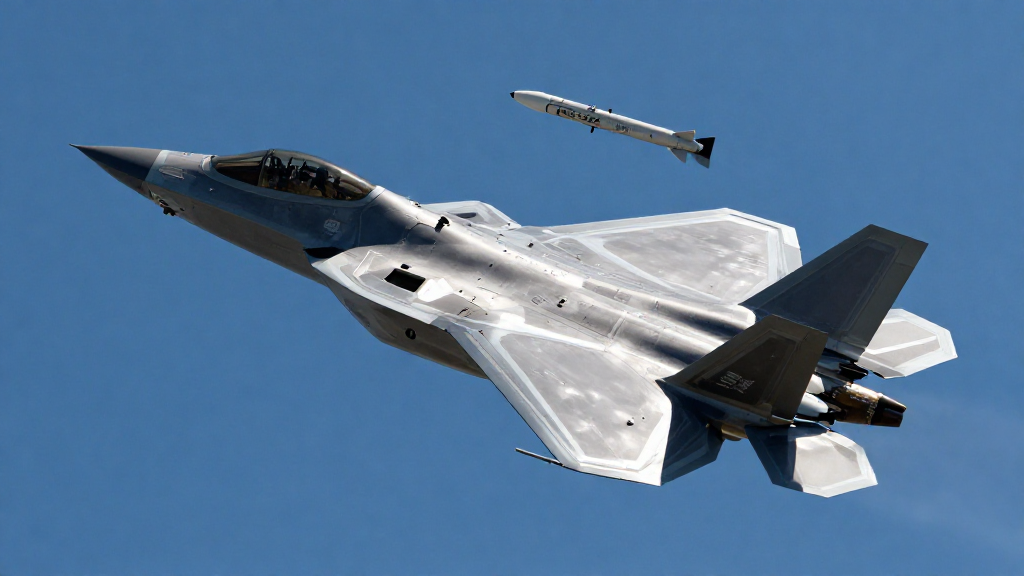

Data Patterns (India) Limited has disclosed that it is developing the glass cockpit system for India’s Advanced Medium Combat Aircraft (AMCA) and supplying the mission management system for the Tejas Mk2, underscoring the company’s growing involvement in some of the country’s most advanced military aviation programmes.
Speaking during its Q4 FY2025-26 earnings conference call, the company stated that the mission systems being developed for the Tejas Mk2 are expected to serve as a technological stepping stone for the AMCA, offering a glimpse into how key avionics technologies are being matured for India’s future fifth-generation fighter.
Company officials confirmed that Data Patterns is responsible for the AMCA’s glass cockpit architecture, a critical subsystem that will integrate flight information, tactical data, navigation functions, and sensor outputs into advanced digital displays. In a stealth fighter environment, the cockpit is expected to support sophisticated sensor fusion, mission computing, and pilot decision-making through an advanced human-machine interface.
The company further noted that the mission management system developed for the Tejas Mk2 is likely to be adapted for use in the AMCA programme. These systems act as the aircraft’s central information-processing hub, combining data from radar, electronic warfare equipment, communication networks, navigation systems, and weapons to create a single integrated combat picture for the pilot.
Using the Tejas Mk2 as a technology demonstrator for future AMCA avionics could help streamline development, reduce technical risks, and establish common software and hardware architectures across India’s next generation of fighter aircraft.
Data Patterns also expressed interest in expanding its footprint into other high-end aerospace technologies, including radar systems, Radar Warning Receivers, sensors, and electronic warfare solutions. Such ambitions align with India’s broader efforts to develop indigenous capabilities in critical combat aviation technologies and reduce reliance on foreign suppliers.
The company’s participation in core fighter-aircraft subsystems highlights the increasing role of India’s private defence industry in strategic aerospace programmes, a trend considered essential for accelerating innovation, strengthening domestic supply chains, and enhancing the long-term competitiveness of the country’s defence manufacturing sector.