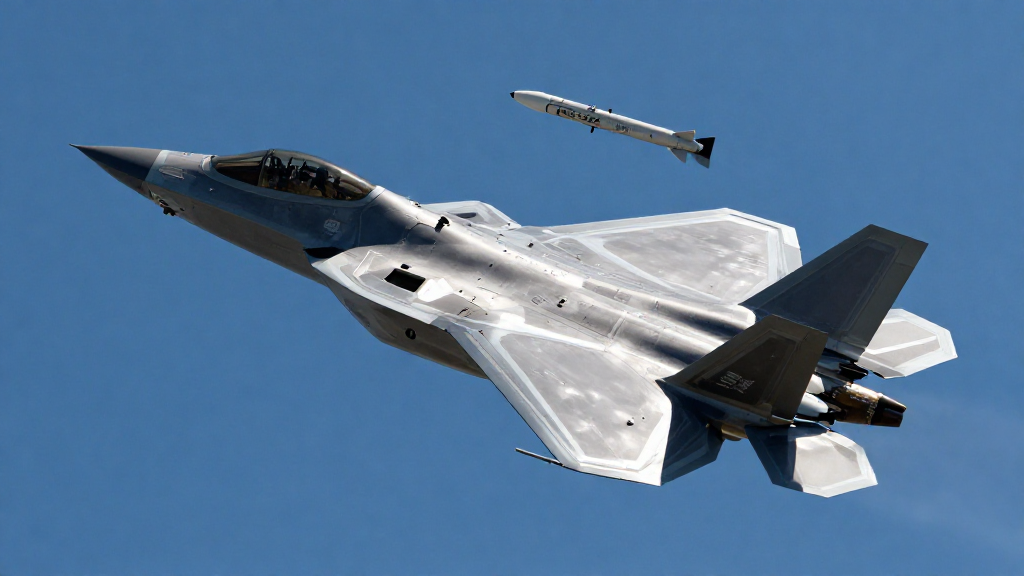

The Gas Turbine Research Establishment (GTRE), operating under India’s Defence Research and Development Organisation (DRDO), has outlined an ambitious roadmap for its indigenous 110kN fighter engine, which is being developed for the Advanced Medium Combat Aircraft (AMCA) and designed to evolve into more powerful variants for future combat aircraft.
Unlike conventional fighter engines, the proposed powerplant will feature an upgradeable core, allowing engineers to increase thrust from 110kN to between 125kN and 145kN. These enhanced versions are expected to power a future heavy-class sixth-generation fighter that could replace the Indian Air Force’s Su-30MKI fleet after 2045.
The 110kN engine is being developed to satisfy the demanding performance requirements of the AMCA, including supercruise capability, stealth compatibility, and improved fuel efficiency. While the first AMCA prototypes will be powered by the GE F414 engine producing approximately 98kN of thrust, India plans to transition to the indigenous engine as development progresses.
GTRE expects the domestic engine to become operational in the early 2030s, marking a major advancement in India’s indigenous aerospace propulsion capabilities.
The engine’s modular architecture is intended to provide long-term flexibility. Rather than designing separate engines for future aircraft, GTRE plans to upgrade the existing core to generate significantly higher thrust, reducing development costs while accelerating future fighter programmes.
This strategy supports the Indian Air Force’s long-term force modernization plans. Although more than 260 Su-30MKI fighters will continue to serve after receiving Super Sukhoi upgrades—including the Virupaksha AESA radar and Astra MkIII missile—they will eventually require replacement as they approach retirement between 2045 and 2050.
By building on the AMCA engine’s core technology, GTRE aims to develop a 120kN-145kN propulsion system capable of powering a sixth-generation combat aircraft equipped with advanced stealth features, AI-enabled mission systems, collaborative combat capabilities, and future technologies such as directed-energy weapons, ensuring India remains aligned with evolving global fighter aircraft trends.